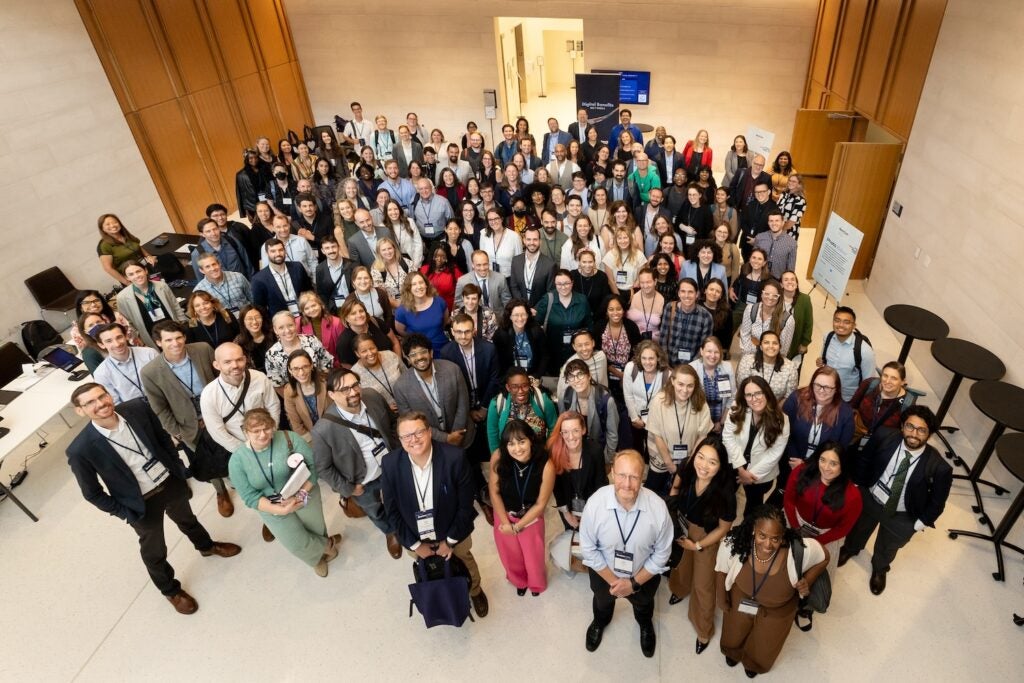
A recap of the two-day conference focused on charting the course to excellence in digital benefits delivery hosted at Georgetown University and online.
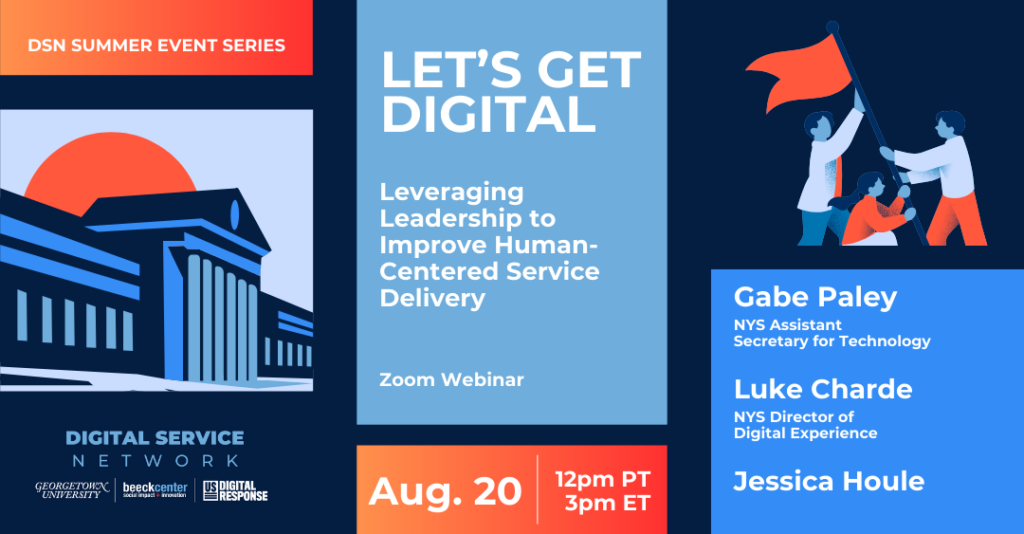
For the Digital Service Network’s (DSN) final installment of its summer event series, Let’s Get Digital, we heard about New York State’s (NYS) human-centered design (HCD) journey and how relationships between leadership and digital service teams have been pivotal in advancing user-centric service delivery.
The paper hopes to stimulate discussions towards an ethical protocol for better practice in BI experiments and provide a useful resource to those working on, or interested in, BI research.
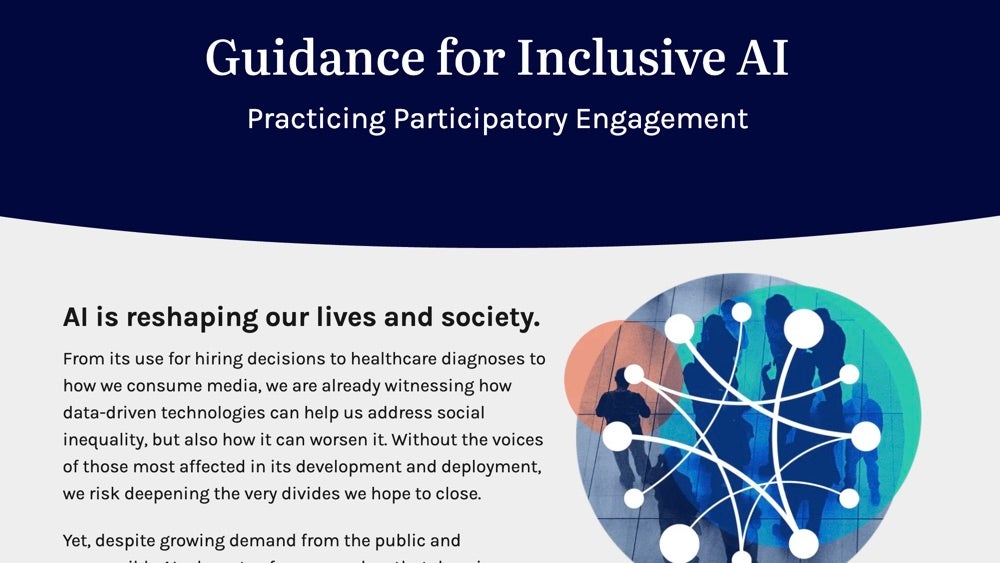
This resource helps individuals with aligning their work with the needs of the communities they wish to serve, while reducing the likelihood of harms and risks those communities may face due to the development and deployment of AI technologies.
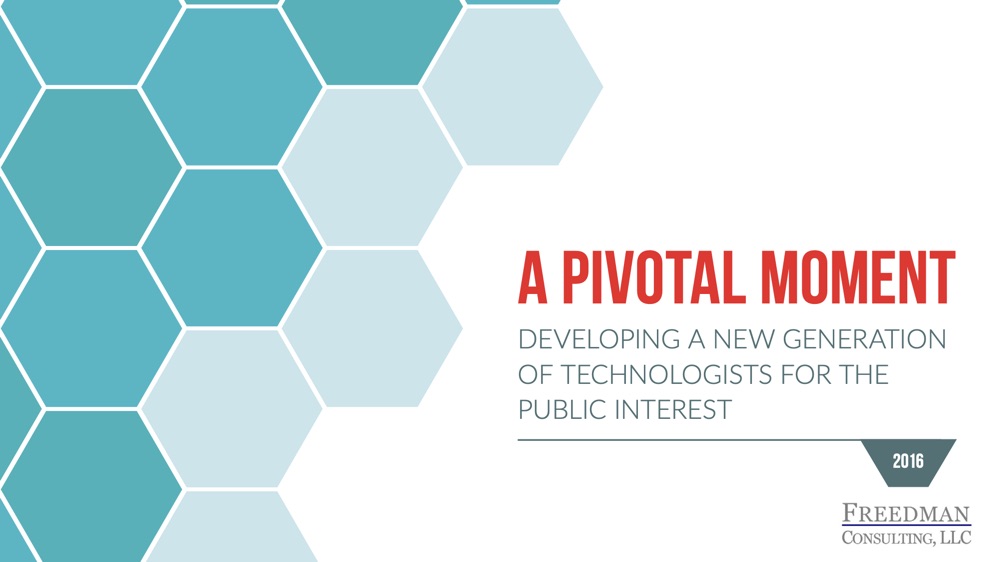
This report explores strategies for developing a new generation of technologists dedicated to public interest work, emphasizing the need for a stronger talent pipeline to support government and nonprofit technology initiatives.
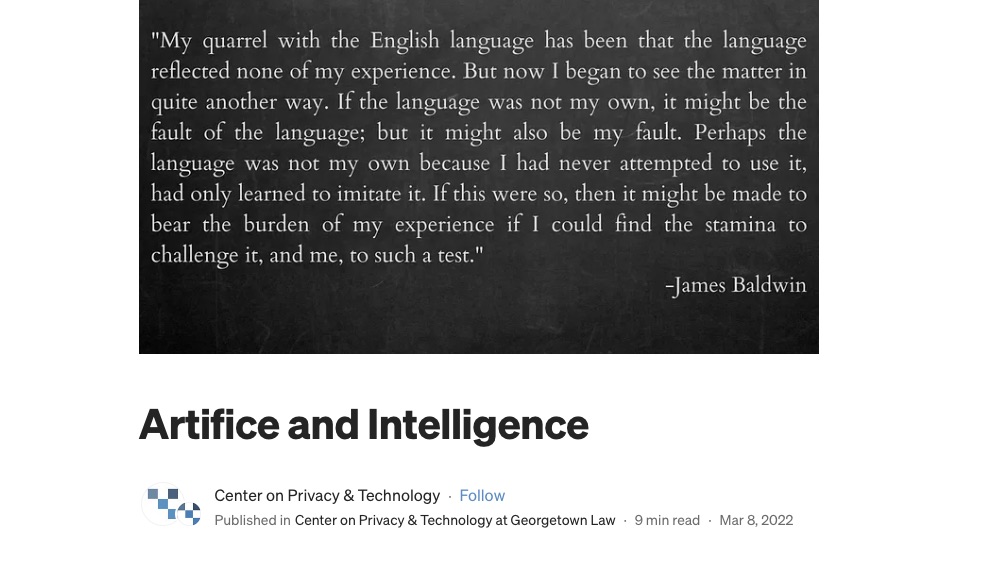
This essay explains why the Center on Privacy & Technology has chosen to stop using terms like "artificial intelligence," "AI," and "machine learning," arguing that such language obscures human accountability and overstates the capabilities of these technologies.
mRelief launches Johnnie, a platform that centers client dignity and enables client management from anywhere. Features include client communication mechanisms, assistance for document submission, keeping track of enrollment process, and tracking enrollment metrics.