In this video, Susan S. Gibson, chair of the Pandemic Response Accountability Committee's (PRAC) Identity Fraud and Redress Working Group, speaks with Jeremy Grant of the Better Identity Coalition, about the challenges of identity fraud for benefits program during the COVID-19 pandemic.
This update highlights progress in improving federal customer experience (CX) following Executive Order 14058, showcasing service enhancements across agencies.
Handbook by 18F designed for executives, budget specialists, legislators, and other “non-technical” decision-makers who fund or oversee state government technology projects that receive federal funding and implement the necessary technology to support federal programs. It aids in setting projects up for success by asking the right questions, identifying the right outcomes, and equally important, empowering decision-makers with a basic knowledge of the fundamental principles of modern software design.
Government solicitations to procure custom software are often long, complicated, and take months. By using 18F’s agile contract format, agencies can hire an agile software contractor with a quickly-written dozen-page solicitation, allowing for immense savings in time and money.
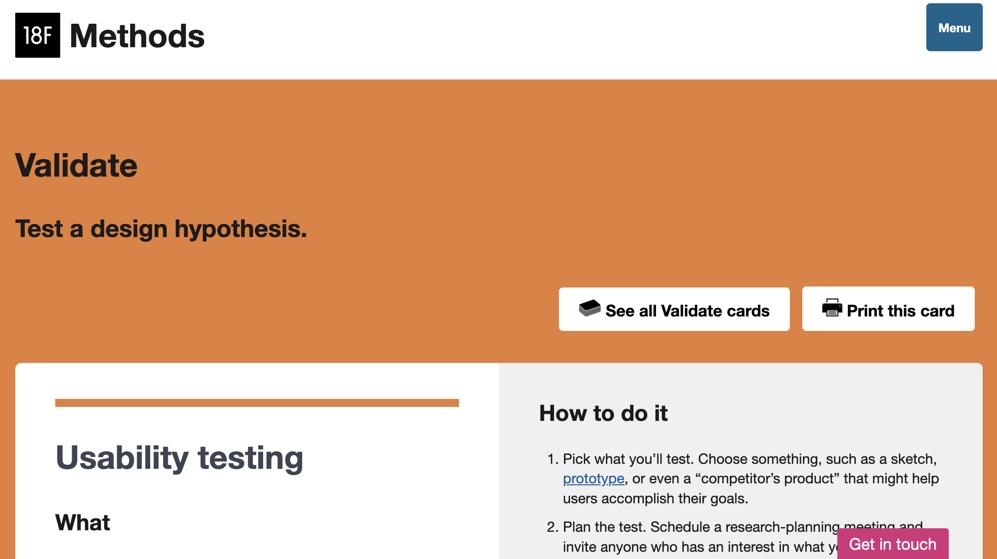
Testing (and re-testing) your designs with users will help you build the best possible product. Our Validate Methods cover varied testing scenarios and potential user groups.
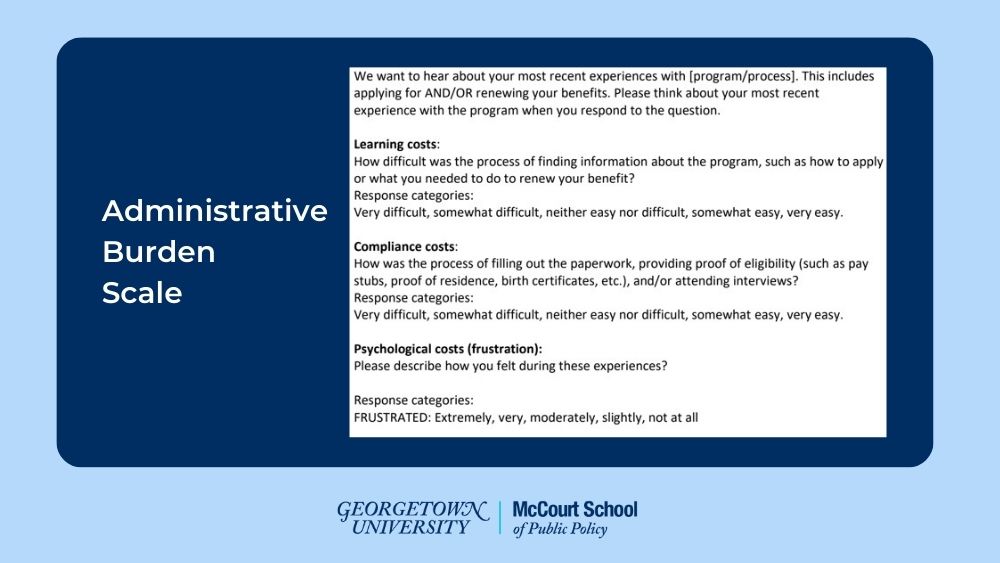
The Better Government Lab at the McCourt School of Public Policy at Georgetown University has developed a new scale for measuring the experience of burden when accessing public benefits. They offer both a three-item scale and a single-item scale, which can be utilized for any public benefit program. The shorter scales provide a less burdensome way to measure by requiring less information from users.
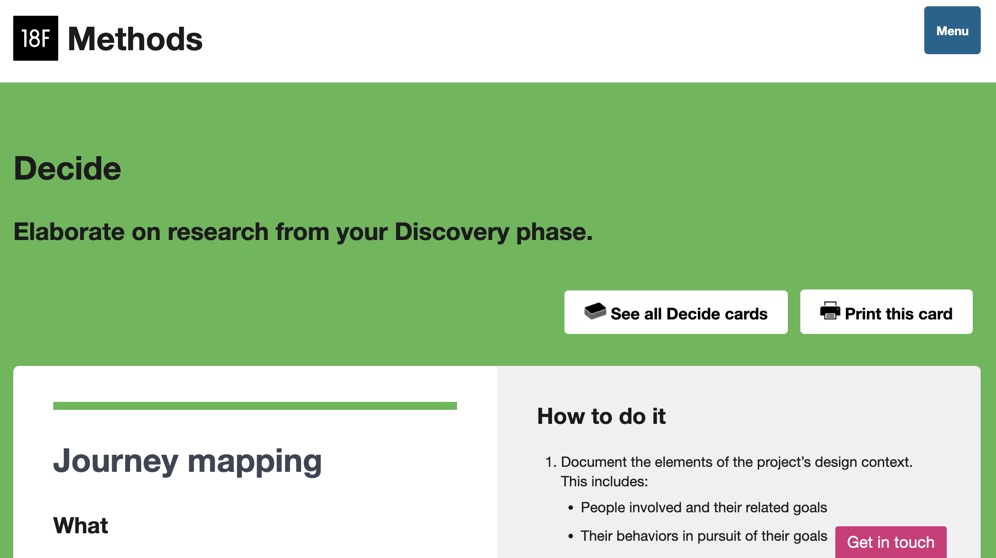
The Decide Methods help you derive insights from the information gathered during the Discovery phase. You’ll validate initial assumptions, develop a deeper understanding of workflows and processes, and develop design hypotheses.
This brief highlights key takeaways from APHSA’s work on young families, starting with an overview of the young families work and its early years, followed by key takeaways and highlights from its final year, ending with opportunities for future work in the young families space.
American Public Human Services Association (APHSA)
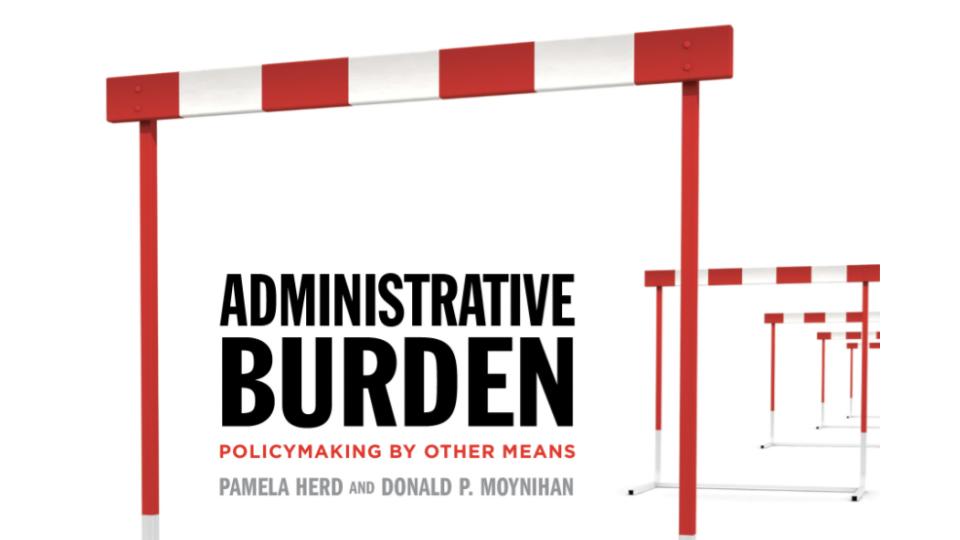
This book is an in-depth exploration of federal programs and controversial legislation demonstrating that administrative burden has long existed in policy design, preventing citizens from accessing fundamental rights. Further discussion of how policymakers can minimize administrative burden to reduce inequality, boost civic engagement, and build an efficient state.