An online course that introduces core concepts of web accessibility, including why it matters, key standards, and how to make digital content accessible to a wider range of people and situations.
An overview video describing the Digital Identity Risk Management process outlined in NIST's Digital Identity Guidelines, which organizations can use to develop a risk-based approach to identity management.
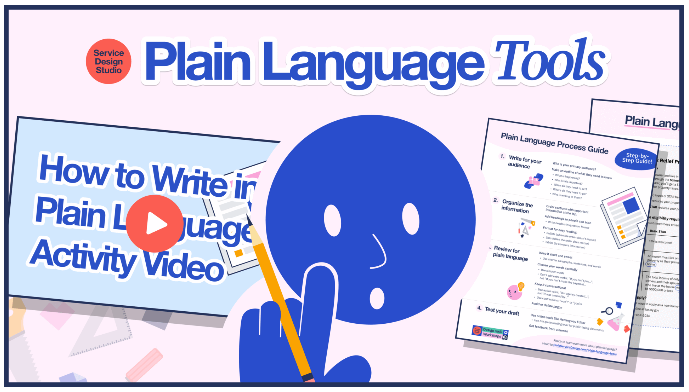
A practical toolkit that provides plain-language writing resources, checklists, and guidance to help government and public-service teams write content that is clear, accessible, and centered on community needs.
A statement of objectives that defines best practices and contract requirements for building modern, user-centered, secure, and agile digital services in government.
A research report examining how privacy and security risks are unevenly experienced across socioeconomic, racial, and ethnic groups, and how digital inequality shapes people’s exposure to harm and access to protective resources.
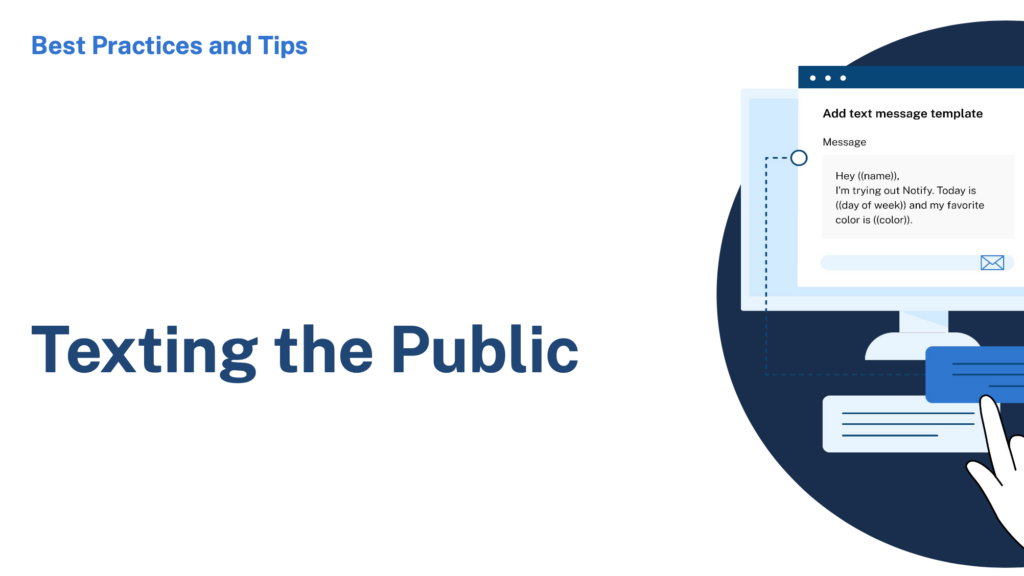
A practical guide for government teams on how to design, test, and run effective public text message campaigns for benefits and service communications.
This resource provides strategies, practical examples, and templates for attracting, developing, and retaining a high-performing digital service workforce.
Through our research understanding the government digital service field and what workers in this field need, we want to help strengthen those existing roles and establish more pathways for promotion and career support, as well as help other teams recognize the value of these skills and create new roles.
To improve the .gov registrar, 18F and CISA created customer panels to gather feedback, opinions, and suggestions. Using a customer-centric approached enabled 18F and CISA to identify areas for improvement, build a product roadmap, and establish relationships with users.