A modernized public benefits system would better serve program participants, administrators, policy makers, and taxpayers. This paper proposes a set of principles both define the desired future state and outline the values that shape decision making along the way. Practices describe the processes needed to achieve modernization.
This update highlights progress in improving federal customer experience (CX) following Executive Order 14058, showcasing service enhancements across agencies.
Based on state agency survey responses, this report summarizes key findings from the first calendar year of pandemic response and provides policy considerations for the future of SNAP.
American Public Human Services Association (APHSA)
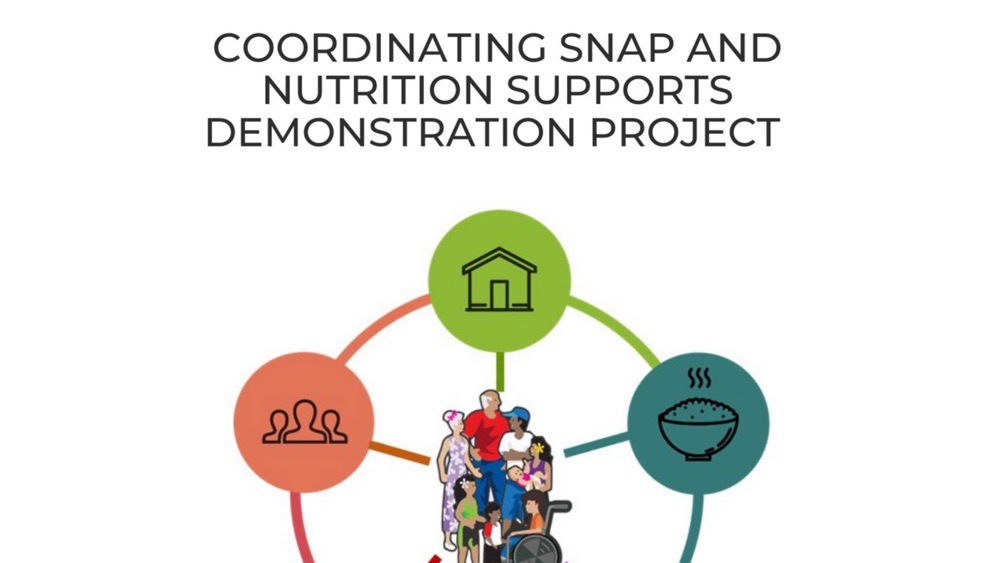
This white paper documents Hawai'i's journey and lessons learned from their 18-month Coordinating SNAP and Nutrition Supports project which laid the foundation for interagency data-sharing and built capacity to analyze administrative data across nutrition programs--specifically SNAP and WIC.
This article examines how administrative burdens in U.S. social safety net programs have changed over the past 30 years, showing that while average burdens have declined, inequality in who faces these burdens has grown.
The ANNALS of the American Academy of Political and Social Science
Well-designed, user-focused tools that allow for simple application are key to ensuring that families most in need receive the Child Tax Credit. Reaching these households will require a robust effort from the IRS to create user-friendly tools in partnership with organizations with a direct connection to eligible recipients.
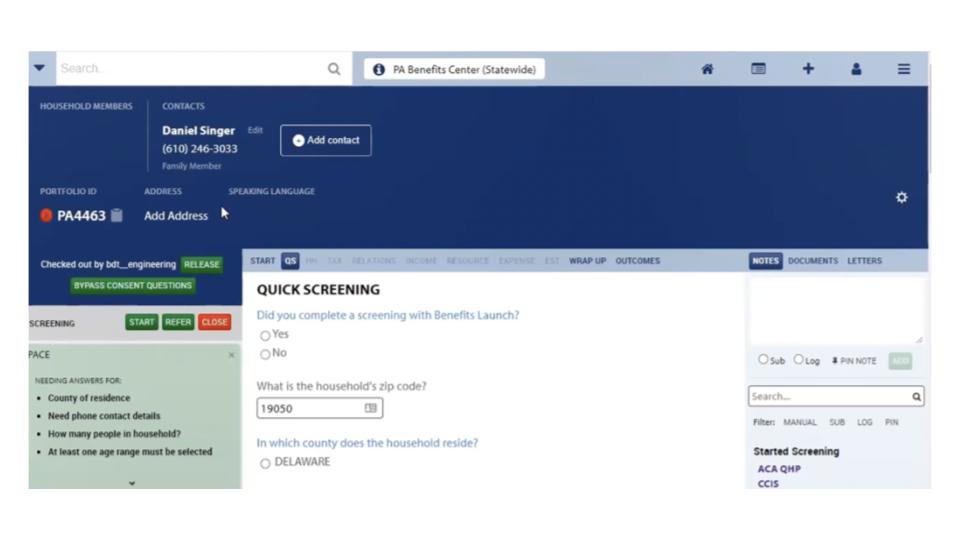
Benefits Data Trust (BDT) is a nonprofit that connects people to public benefits through a streamlined, phone-based application system called Benefits Launch, which reduces redundant questions and speeds up the process for multiple programs. BDT's approach, supported by a custom-built rules engine, has facilitated over 800,000 benefit enrollments, helping secure over $9 billion for eligible households across seven states.
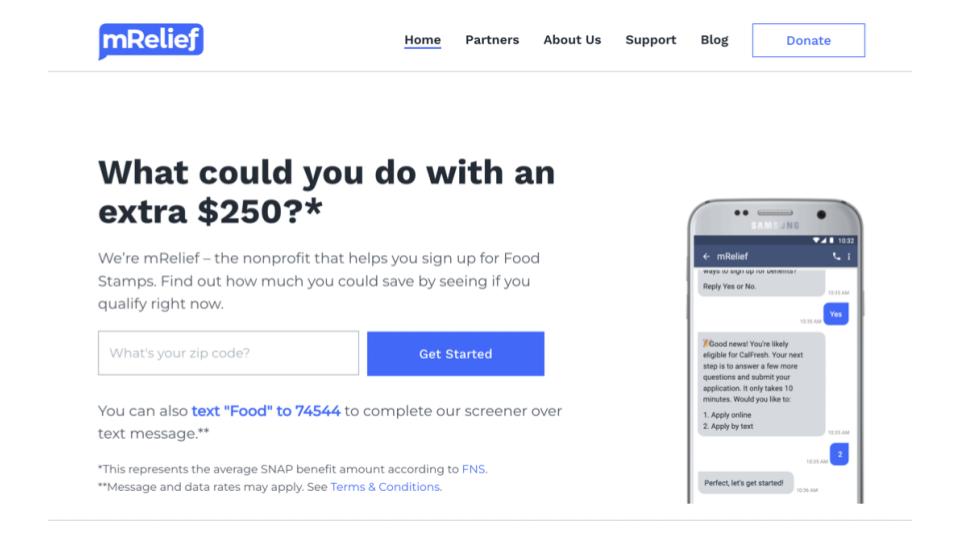
mRelief is a nonprofit that helps individuals in all 53 U.S. states and territories determine SNAP eligibility and apply using easy-to-use web and text tools. Their simplified, inclusive approach has supported over 2.7 million people and unlocked over $1 billion in benefits, focusing on minimizing barriers and adapting eligibility rules across states.
This Urban Institute report examines how public investments in children's health, education, and welfare yield significant short- and long-term benefits for both individuals and society.
A recent study challenges the common belief that income support programs like SNAP reduce employment, finding that for individuals with a work history, receiving SNAP benefits can actually increase long-term employment.