This case study highlights how Illinois is modernizing its student data infrastructure and interagency data sharing to increase access to SNAP and Summer EBT benefits for eligible children and families, particularly those facing systemic barriers.
American Public Human Services Association (APHSA)
This issue brief examines how H.R. 1’s enactment delays implementation of two key Medicaid eligibility rules—one for Medicare Savings Programs (MSPs) and one for general Medicaid/CHIP enrollment and renewal—and the effects of that delay.
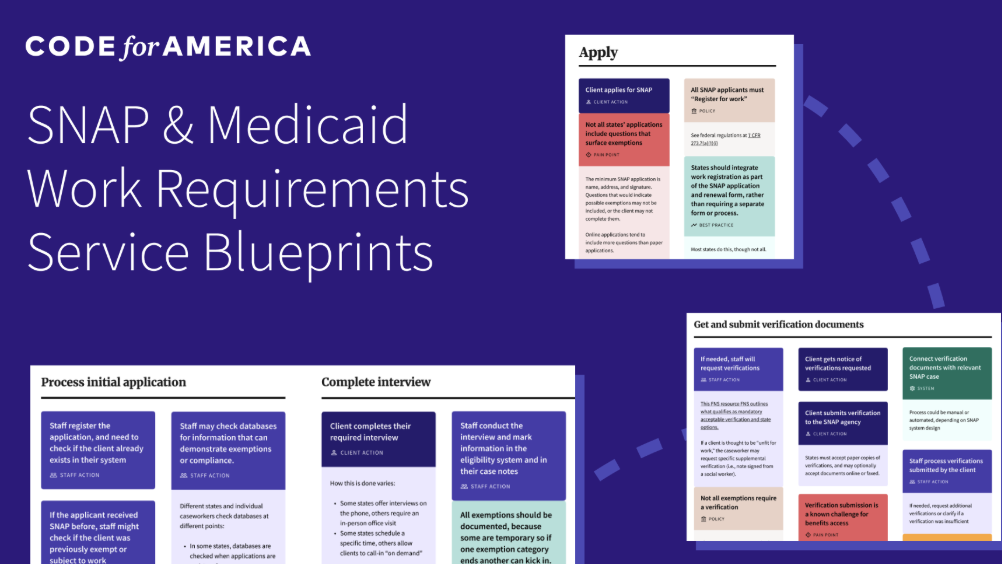
This file contains two, state-agnostic service blueprints that visualize how the new work requirements policy passed as part of H.R. 1 impacts the process of applying for, determining, and maintaining eligibility for SNAP and Medicaid benefits.
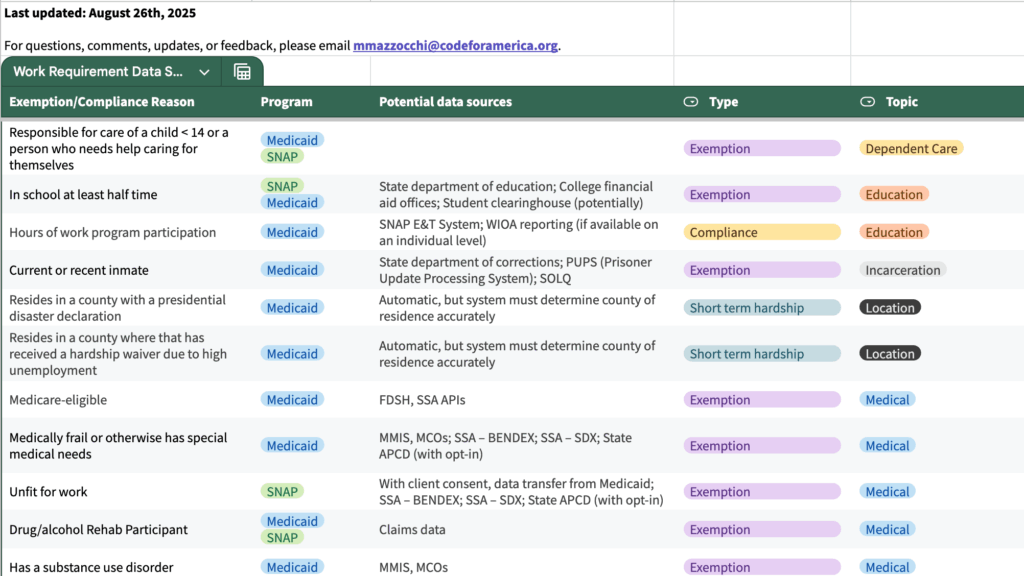
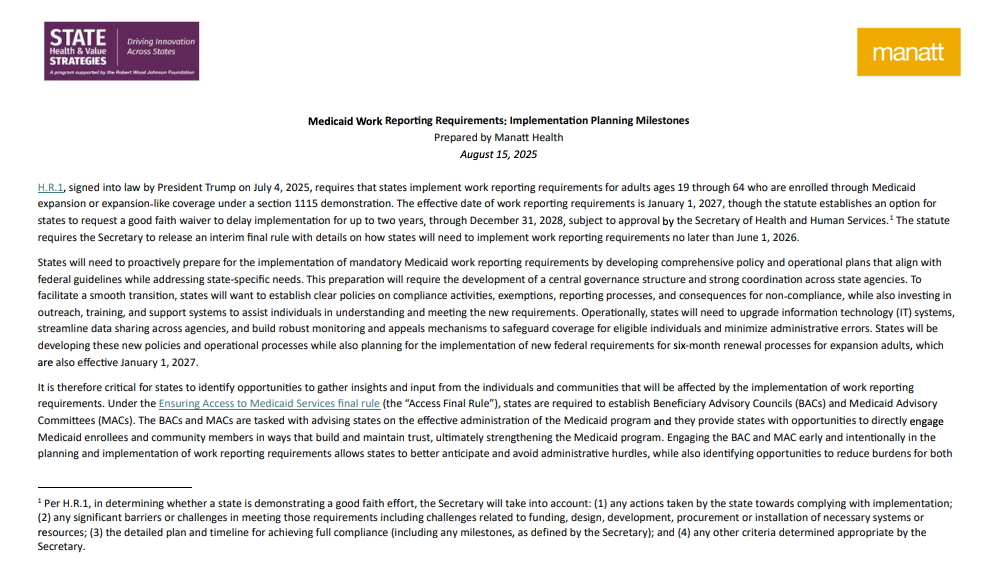
This milestone table outlines a detailed roadmap for states to implement mandatory Medicaid work reporting requirements under H.R. 1 by January 1, 2027.
This guide outlines key strategies, definitions, and procedures for improving SNAP payment accuracy and reducing quality control (QC) error rates across states.
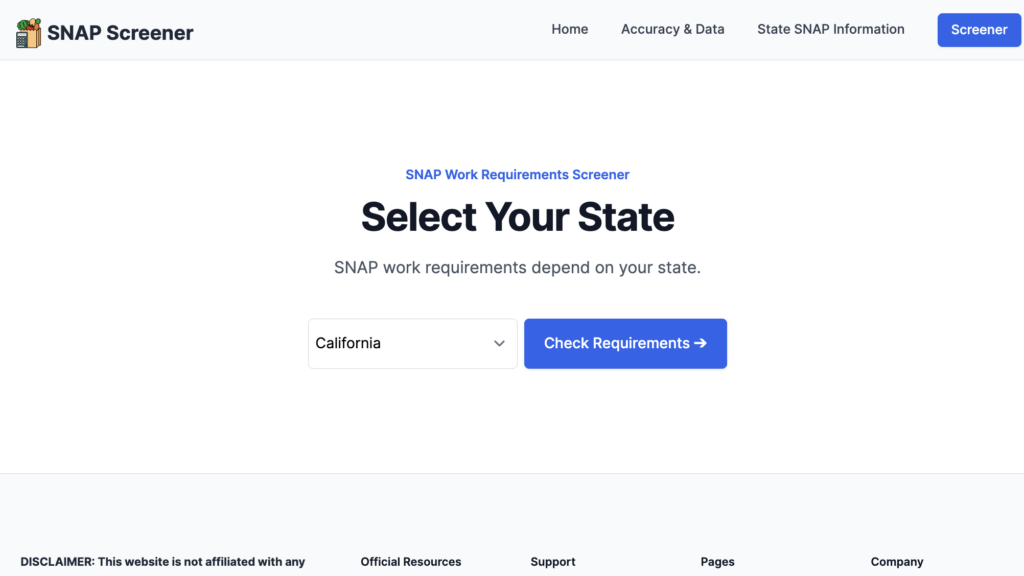
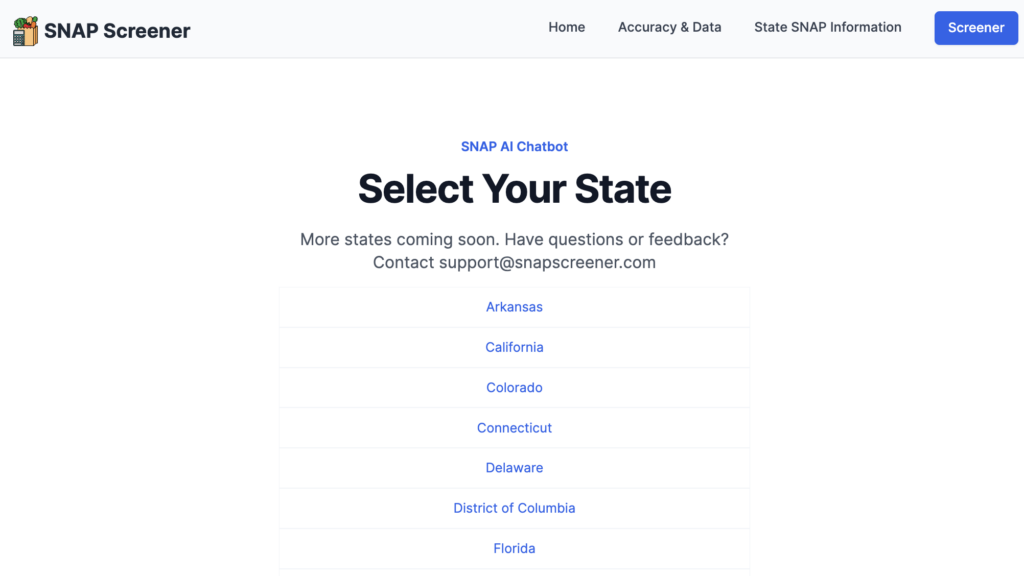
An interactive chatbot that helps SNAP participants and the public ask questions and receive guidance about SNAP work and community engagement requirements in conversational form.
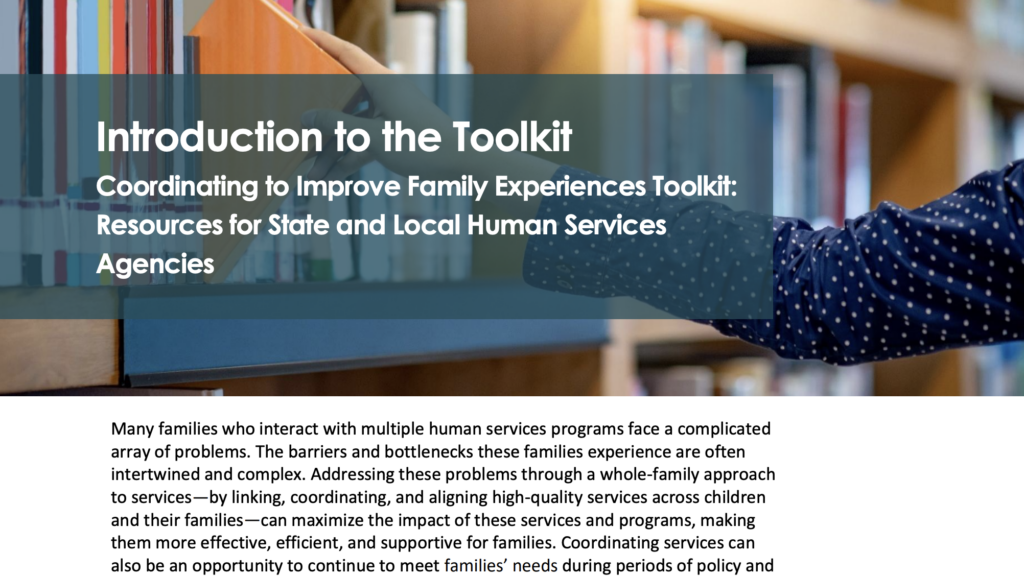
A practical toolkit that helps human services agencies coordinate programs and benefits to better support whole families through aligned policies, processes, and service delivery.
This publication explains current state integrated eligibility and enrollment (IEE) system implementation processes, approaches, and opportunities for future processes and technologies. It is a resource for state officials, advocates, funders, and tech partners working to implement these systems.
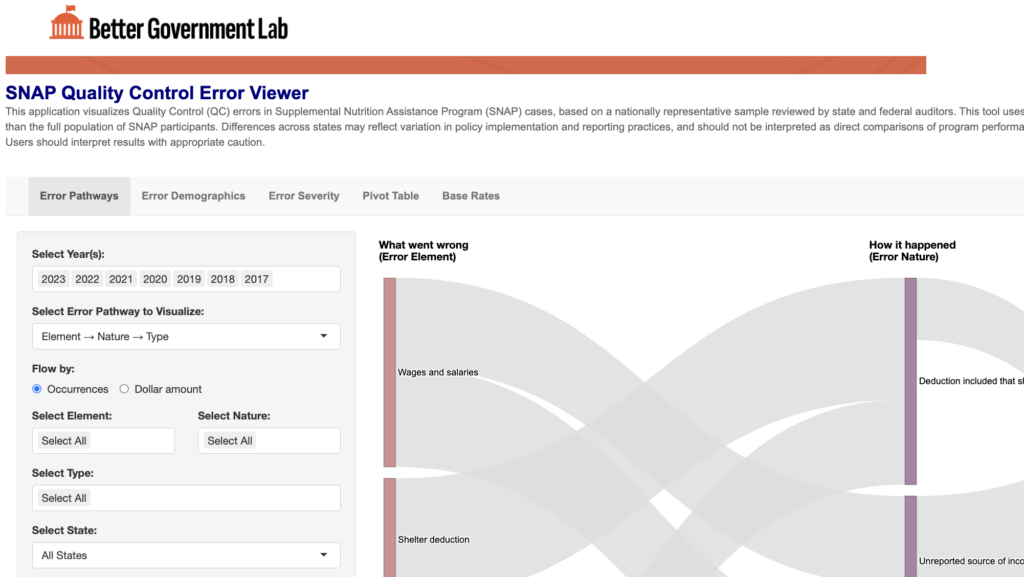
An interactive dashboard that allows users to explore Supplemental Nutrition Assistance Program (SNAP) Quality Control data to better understand payment errors, eligibility issues, and administrative performance across states.
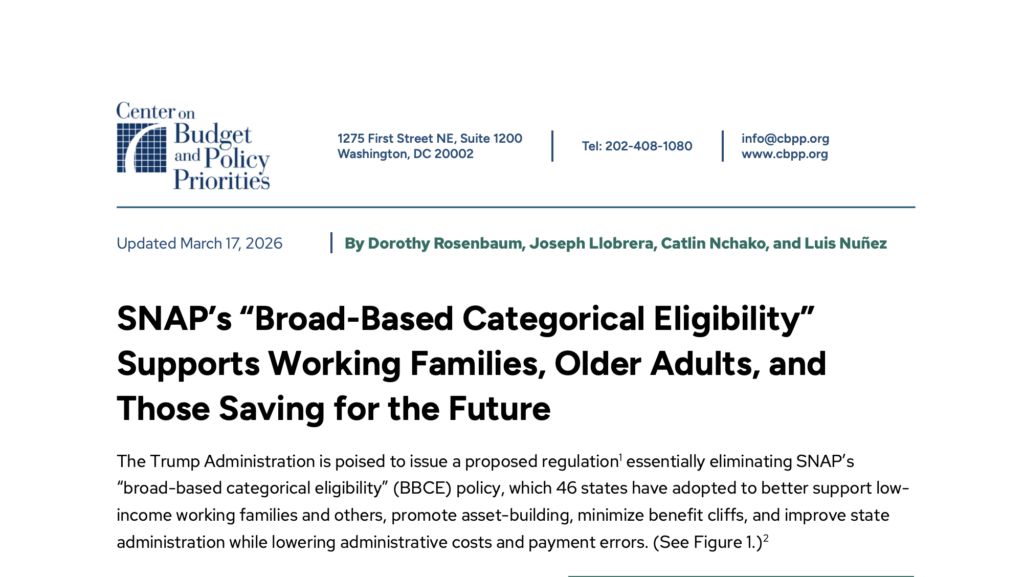
This report analyzes the critical role of SNAP’s "broad-based categorical eligibility" (BBCE) policy and the widespread consequences of its potential elimination by the Trump Administration.