Benefits Data Trust (BDT), in collaboration with the Center for Health Care Strategies (CHCS), conducted a nationwide analysis of how states coordinate across Medicaid and SNAP programs to streamline access to benefits.
The exclusion of agricultural and domestic workers—predominantly African Americans—from the 1935 Social Security Act's unemployment insurance program is analyzed as a result of international policy diffusion rather than solely domestic racial politics.
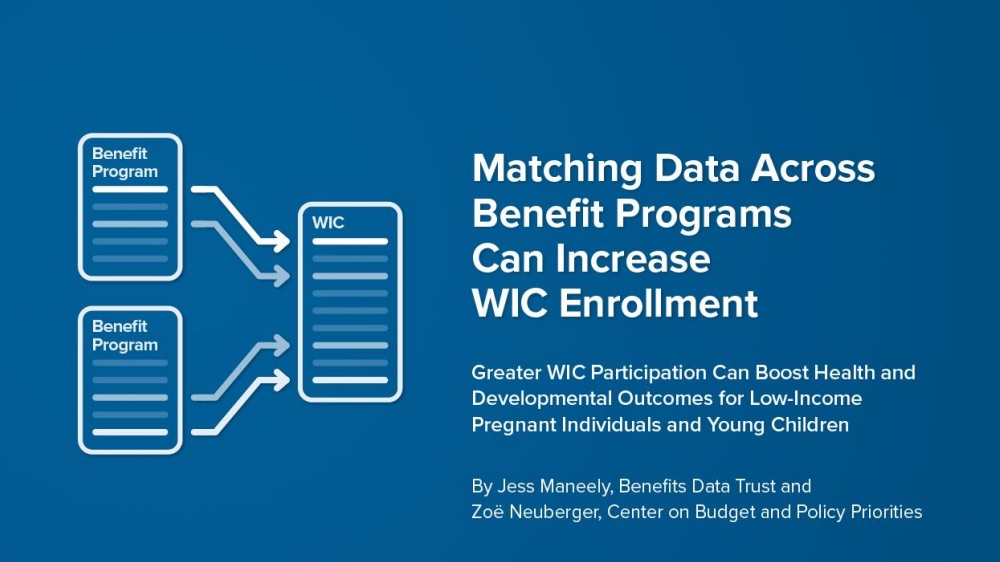
This case study highlights how states used data sharing and targeted outreach to boost WIC enrollment among Medicaid and SNAP participants, improving program reach and reducing disparities.
The National Health Law Program released an updated Guide to Modified Adjusted Gross Income, including sections on ACA tax filing and reporting, clarification on commonly asked questions about Social Security Income, and updated IRS tax filing thresholds.
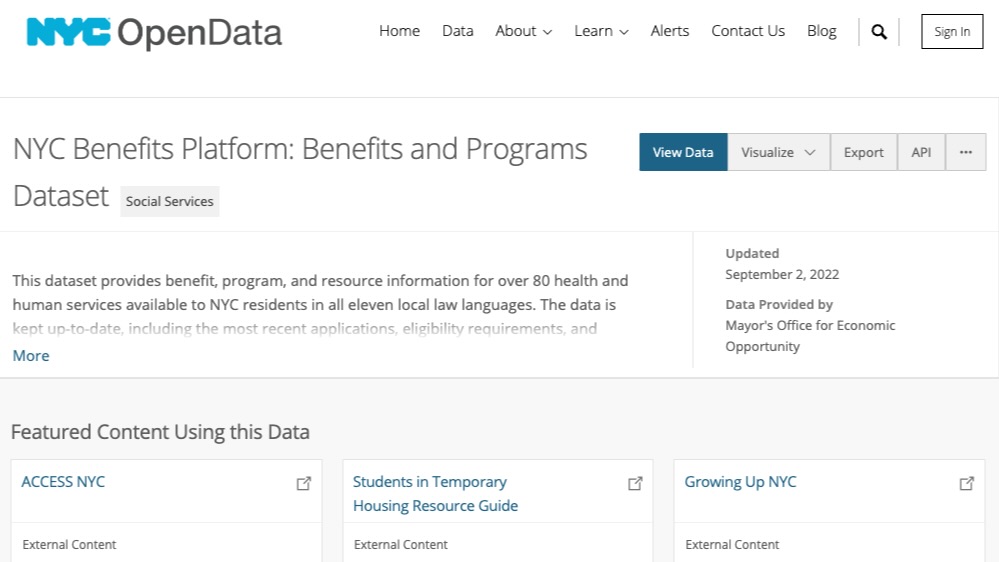
Data provided by the NYC Mayor’s Office for Economic Opportunity regarding benefit, program, and resource information for over 80 health and human services available to NYC residents in all eleven local law languages.
This case study describes Nava's work with the state of Montana’s Special Supplemental Nutrition Program for Women, Infants, and Children (WIC) agency to build an API prototype, which is part of Nava's larger work inform a national API standard.
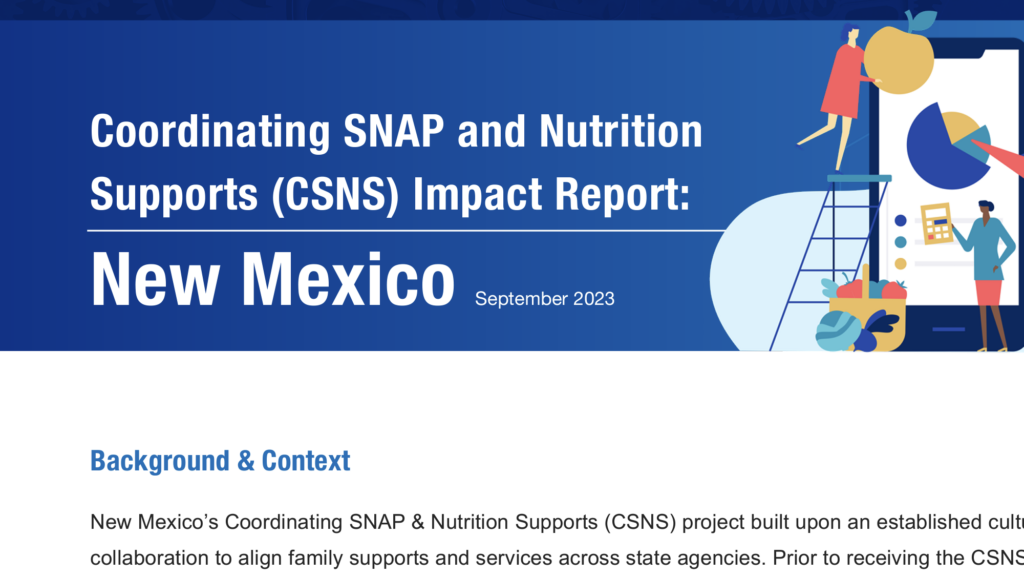
The New Mexico Human Services Department and Department of Health, as part of the Coordinating SNAP & Nutrition Supports program, leveraged data sharing to align SNAP, Medicaid, TANF, and WIC.
American Public Human Services Association (APHSA)
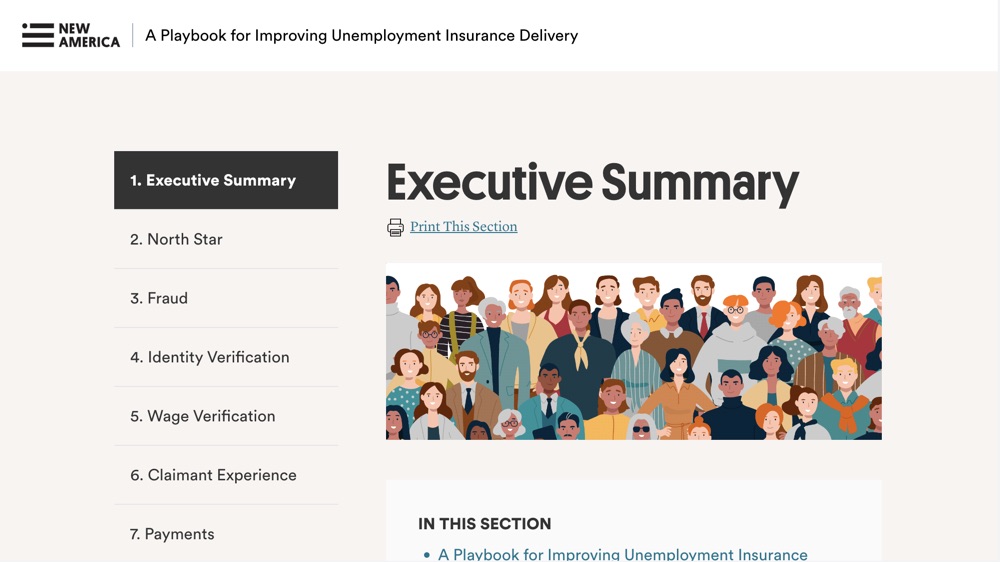
This playbook offers a comprehensive guide to enhancing unemployment benefits systems, focusing on claimant-centric approaches, equitable access, and actionable steps for state agencies.
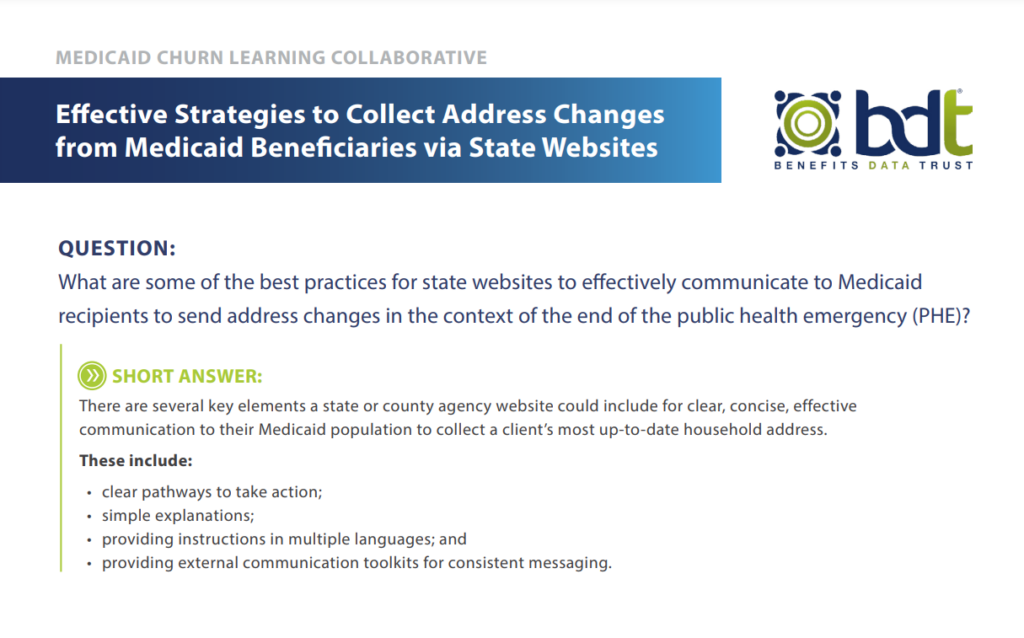
As a part of Benefit Data Trust (BDT)’s Medicaid Churn Learning Collaborative, BDT has created a memo describing strategies for states to collect current mailing addresses of Medicaid beneficiaries in advance of the Medicaid continuous coverage requirement — in effect under the federal public health emergency — unwinding.
The Center on Budget and Policy Priorities (CBPP) report discusses how reducing administrative burdens in Medicaid can enhance health outcomes and promote racial equity.