This report examines Georgia’s Medicaid demonstration testing work requirements—the only such active program in the nation—and provides detailed findings on administrative costs, implementation challenges, and federal oversight weaknesses.
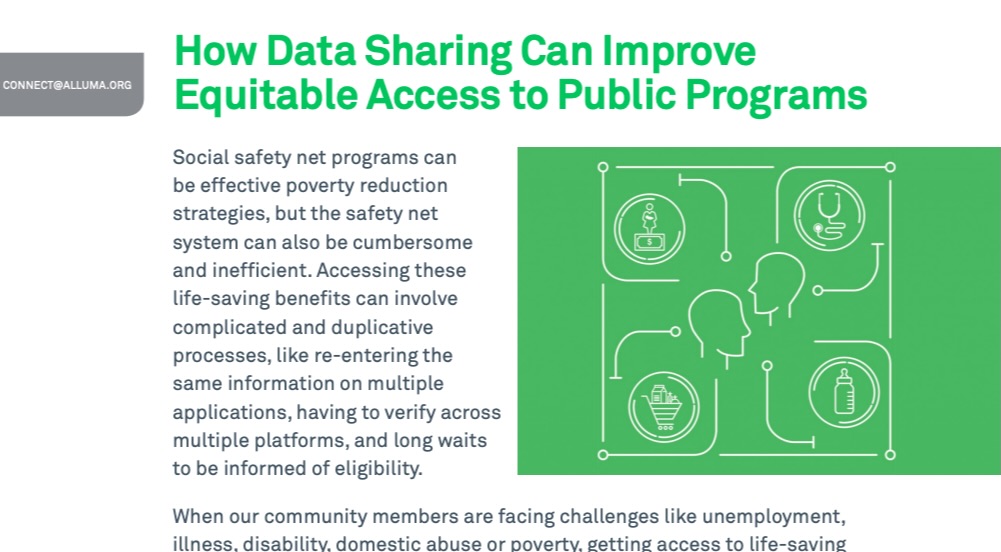
Accessing safety net benefits can involve complicated and duplicative processes that create barriers to access. Using cross-enrollment strategies can minimize the difficulties community members face in getting access to life-saving resources.
Louisiana issued an RFI to identify solutions that can provide a technology platform for determining eligibility and managing cases across multiple human services programs.
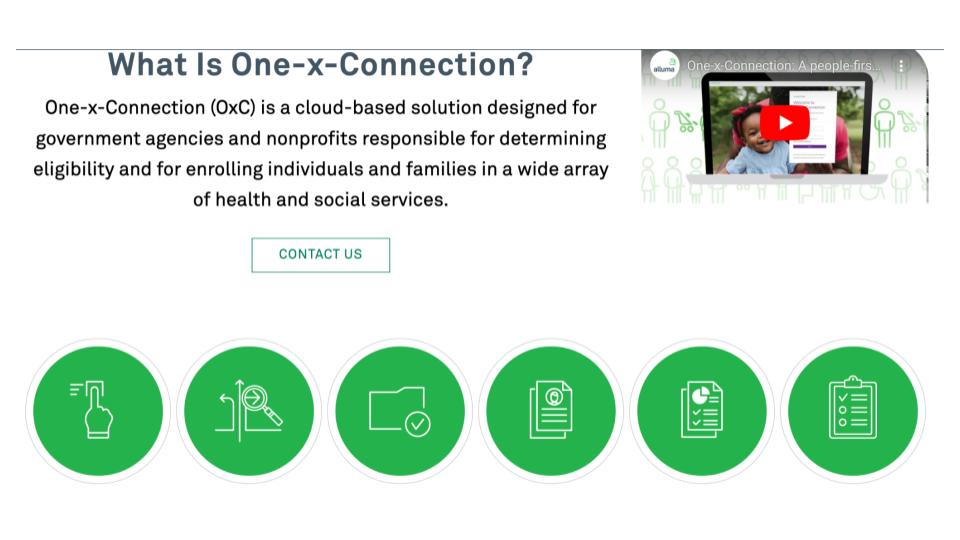
Alluma is a nonprofit that provides digital solutions to simplify eligibility screening and enrollment for social benefit programs, supporting cross-benefit access in 45 counties and two states. Their One-x-Connection product suite streamlines Medicaid and SNAP applications using a business rules engine, with a focus on human-centered design and anonymous, simplified eligibility checks, having helped screen over 10 million individuals and submitted over 67 million applications.
This report explains how states can continue to voluntarily implement key Medicaid and CHIP eligibility and enrollment improvements—originally required by two federal rules—despite a ten-year moratorium enacted in July 2025 that blocks their mandatory enforcement
Plain language unemployment insurance claimant notices developed in collaboration with state agencies to serve as models of clear, accessible communication.
This blog analyzes how the One Big Beautiful Bill Act (OBBBA) will dramatically shift SNAP costs onto state governments, projecting massive budget increases and fiscal strain.