This case study describes Nava's with the state of Montana’s Special Supplemental Nutrition Program for Women, Infants, and Children (WIC) agency to build an eligibility screener tool.
Benefits Data Trust (BDT), in collaboration with the Center for Health Care Strategies (CHCS), conducted a nationwide analysis of how states coordinate across Medicaid and SNAP programs to streamline access to benefits.
The exclusion of agricultural and domestic workers—predominantly African Americans—from the 1935 Social Security Act's unemployment insurance program is analyzed as a result of international policy diffusion rather than solely domestic racial politics.
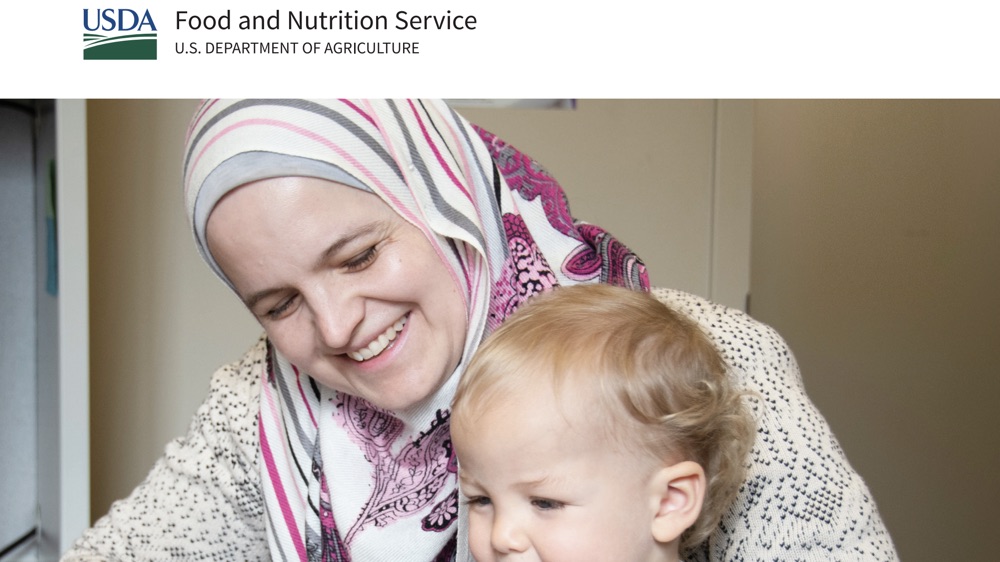
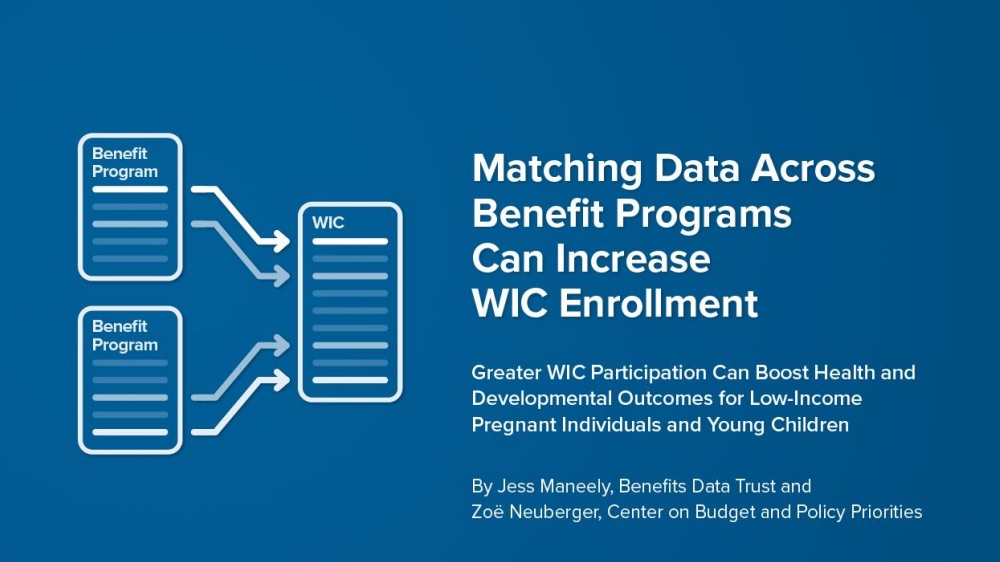
This case study highlights how states used data sharing and targeted outreach to boost WIC enrollment among Medicaid and SNAP participants, improving program reach and reducing disparities.
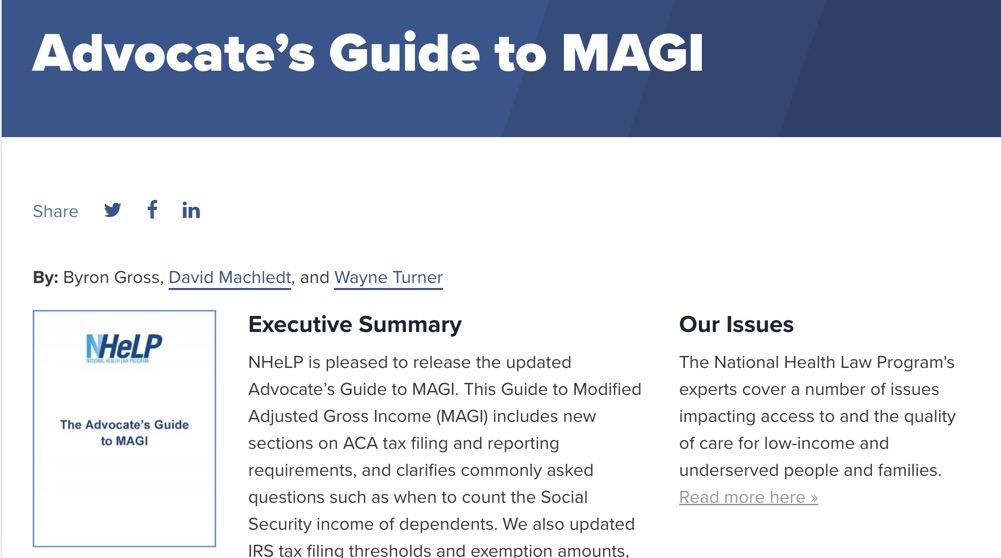
The National Health Law Program released an updated Guide to Modified Adjusted Gross Income, including sections on ACA tax filing and reporting, clarification on commonly asked questions about Social Security Income, and updated IRS tax filing thresholds.
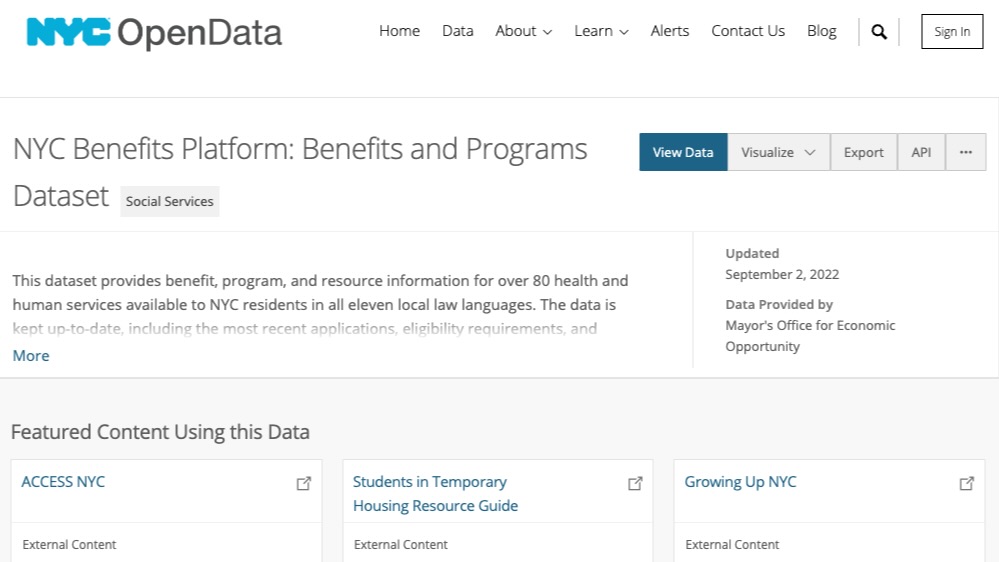
Data provided by the NYC Mayor’s Office for Economic Opportunity regarding benefit, program, and resource information for over 80 health and human services available to NYC residents in all eleven local law languages.
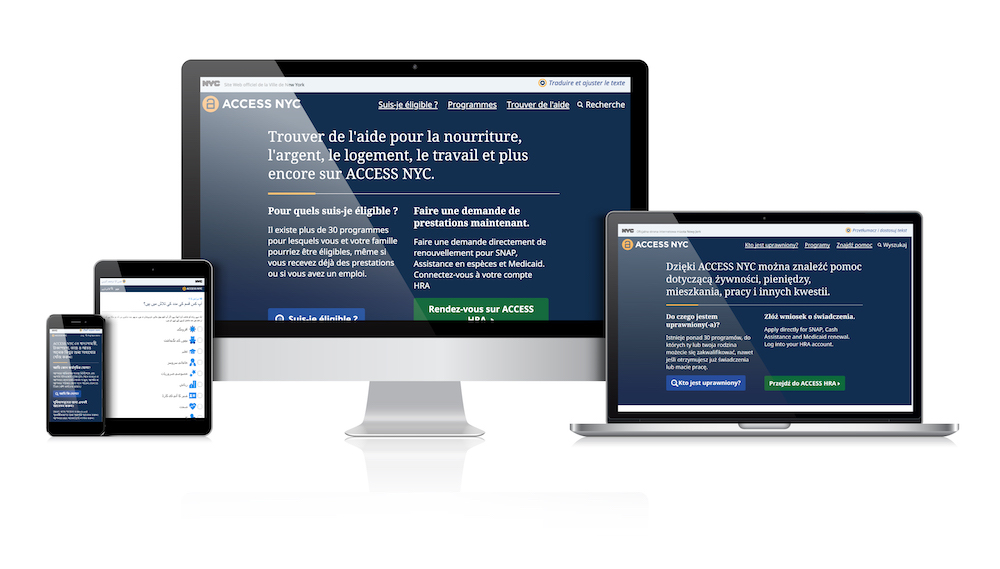
ACCESS NYC is an online public screening tool that residents can use to determine the City, State, and Federal health and human service benefit programs for which they are eligible.
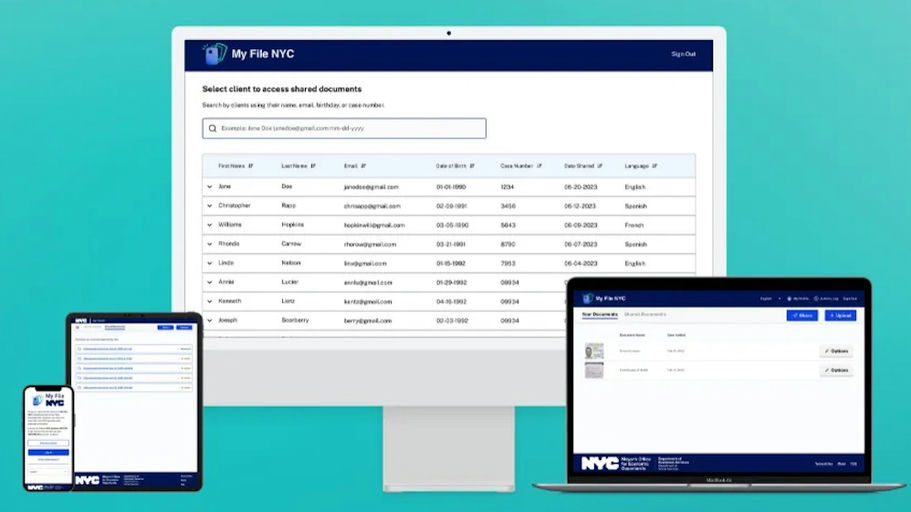
My File NYC is a document storage and sharing website that provides New York City residents a safe place to store and share vital documents when applying for City services.
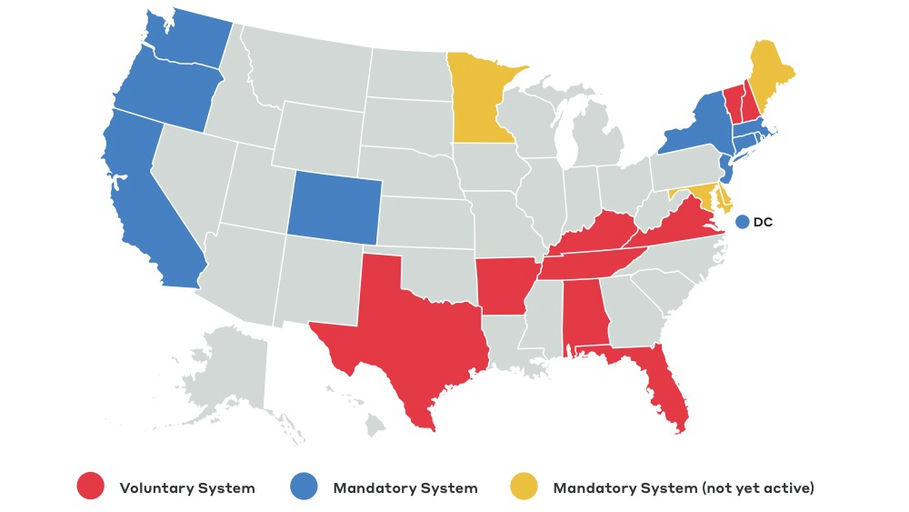
While millions of workers have gained access to PFML, the lack of uniformity in mandatory PFML programs created a growing patchwork of state laws, differing on nearly 30 policy components across four key areas: substantive benefits, financing, eligibility, and administrative requirements.
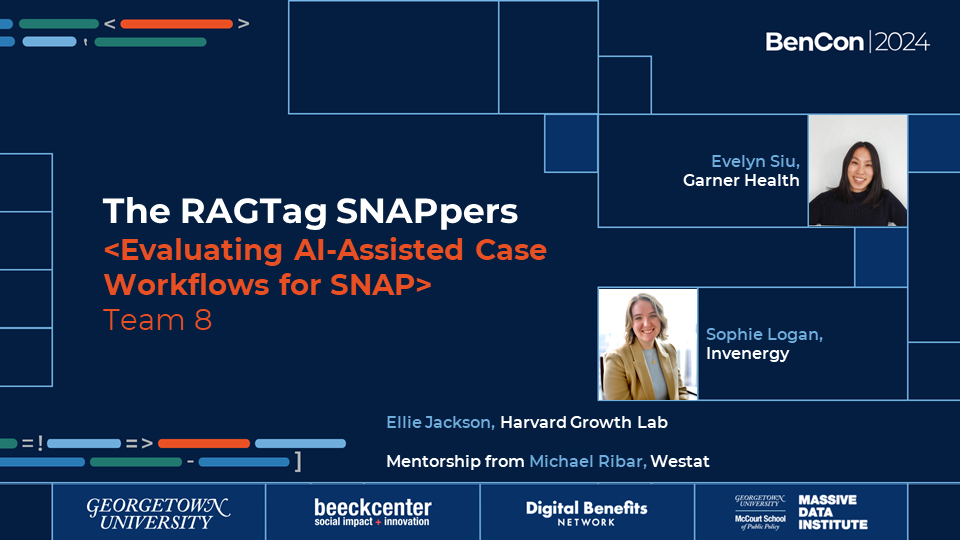
The team examined how AI, specifically LLMs, could streamline the case review process for SNAP applications to alleviate the burden on case workers while potentially improving accuracy.