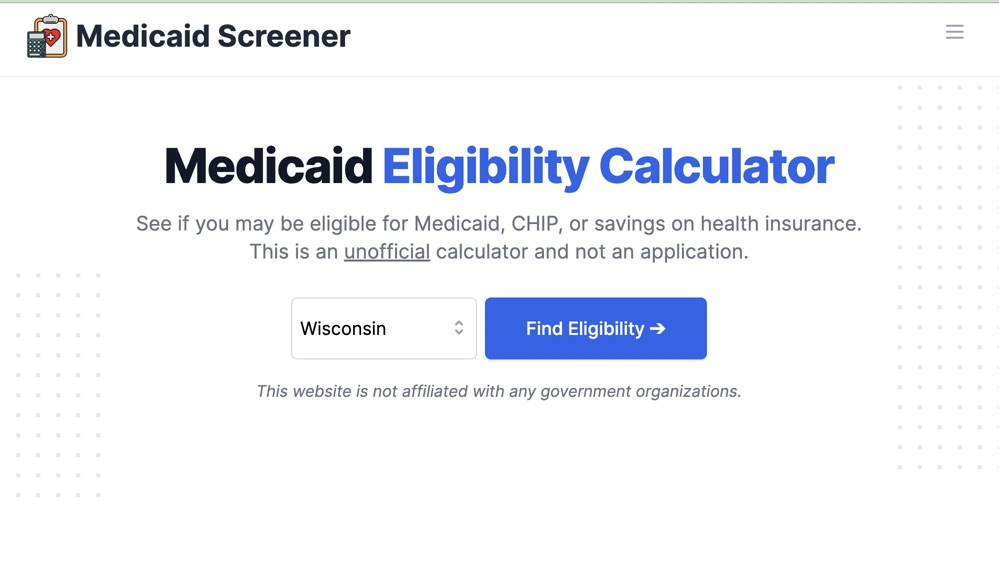
Unofficial calculator allowing users to see if they may be eligible for Medicaid, CHIP, or savings on health insurance. The calculator can be embedded on other websites.
This resource provides examples and practical guides that explain how to use existing regulations and data sharing agreements to transfer client information or eligibility status between benefit programs.
This Urban Institute article argues that poverty is driven by structural barriers rather than individual choices and advocates for safety net programs that address systemic inequities.
In 2024, the Center on Budget and Policy Priorities and Digital Benefits Network led a workshop to explore key terms related to digital identity, and provide ecosystem-level context on how authentication and identity proofing may show up in the online benefits experience and impact clients. This resource links to the presentation slides.
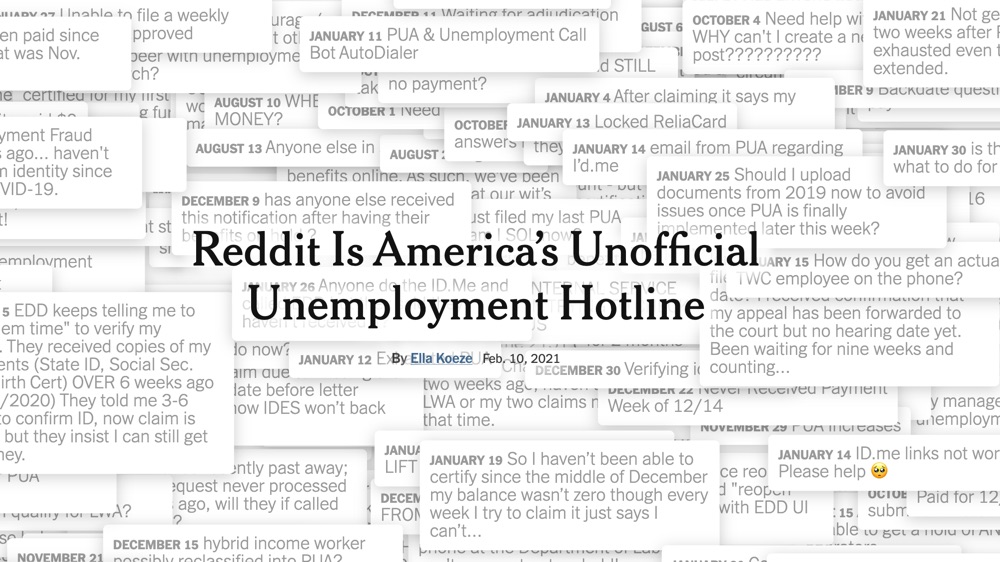
Reddit's unemployment forums have become vital support networks during the pandemic, offering advice, emotional support, and a sense of community to those navigating job loss and financial hardship.
This study examines how providing information about administrative burden influences public support for government programs like TANF, showing that awareness of these burdens can increase favorability toward the programs and their recipients.
This video, produced after the completion of the TDC Pilot, features staff members from the California, Colorado, Minnesota, and Virginia TANF agencies reflecting on their challenges, accomplishments, and general experiences during the pilot.
U.S. Department of Health and Human Services (HHS)
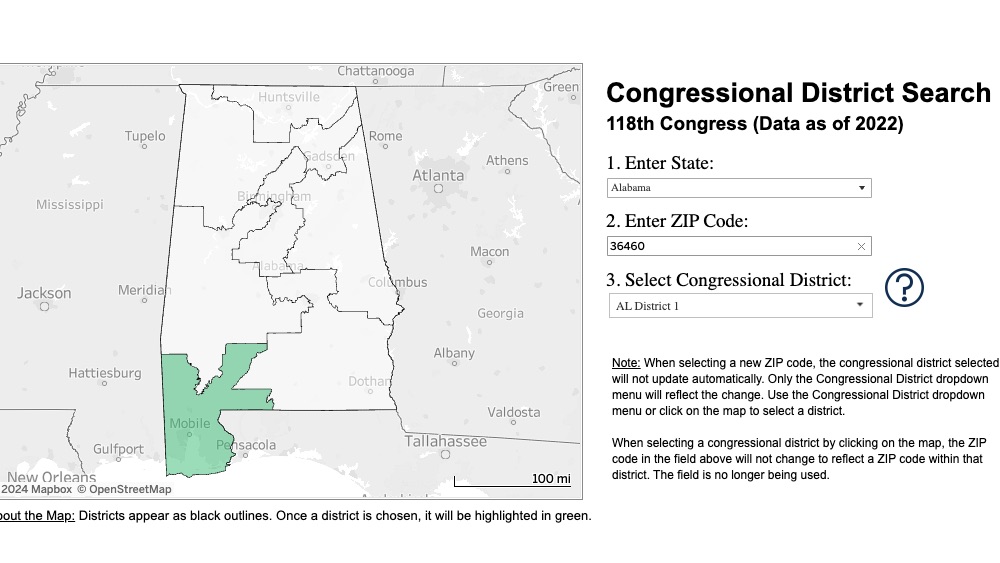
This interactive dashboard allows users to explore Supplemental Nutrition Assistance Program (SNAP) participation and household characteristics by U.S. congressional district using American Community Survey data.
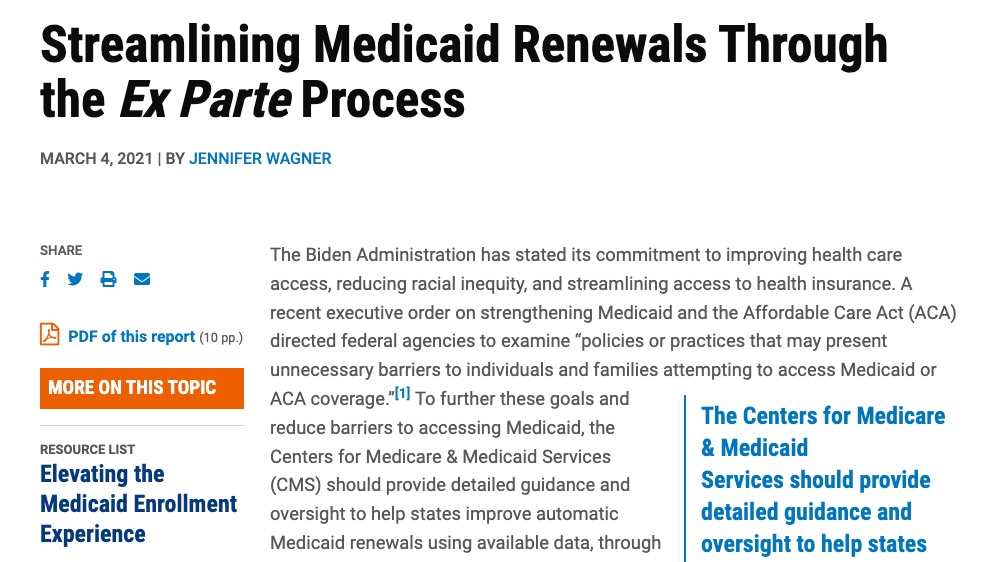
The report discusses how state Medicaid agencies can enhance efficiency and maintain coverage for eligible individuals by implementing ex parte renewals, which automatically renew beneficiaries' coverage using existing data without requiring action from enrollees.
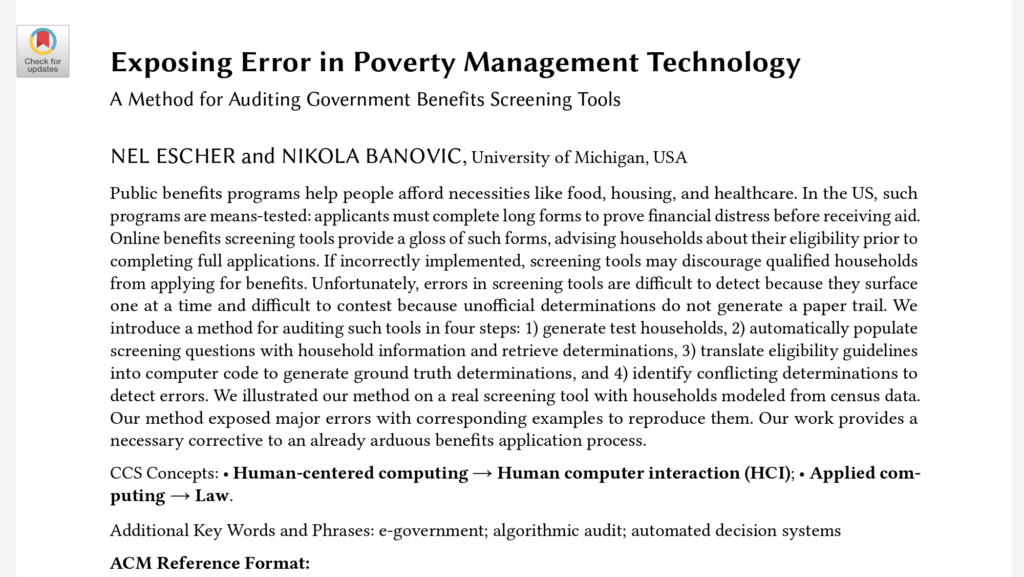
This paper introduces a method for auditing benefits eligibility screening tools in four steps: 1) generate test households, 2) automatically populate screening questions with household information and retrieve determinations, 3) translate eligibility guidelines into computer code to generate ground truth determinations, and 4) identify conflicting determinations to detect errors.
This Urban Institute report explores the impact of benefit cliffs, plateaus, and trade-offs on families receiving public assistance, examining how changes in earnings affect access to essential benefits like SNAP, Medicaid, and housing subsidies.