EBT theft has deeply damaged the lives of the lowest-income Americans. The following insights reveal a system that leaves people in the dark and fails to protect a crucial lifeline.
mRelief recently completed a research study to investigate whether there are specific parts of the Supplemental Nutrition Assistance Program (SNAP; also known as food stamps) benefits application process that make it difficult to complete. We conducted interviews with mRelief users and SNAP outreach workers (individuals whose job responsibilities include providing SNAP application assistance in person or over the phone) in Illinois. We also conducted group interviews with SNAP outreach workers to collaborate with them to uncover findings and develop recommendations.
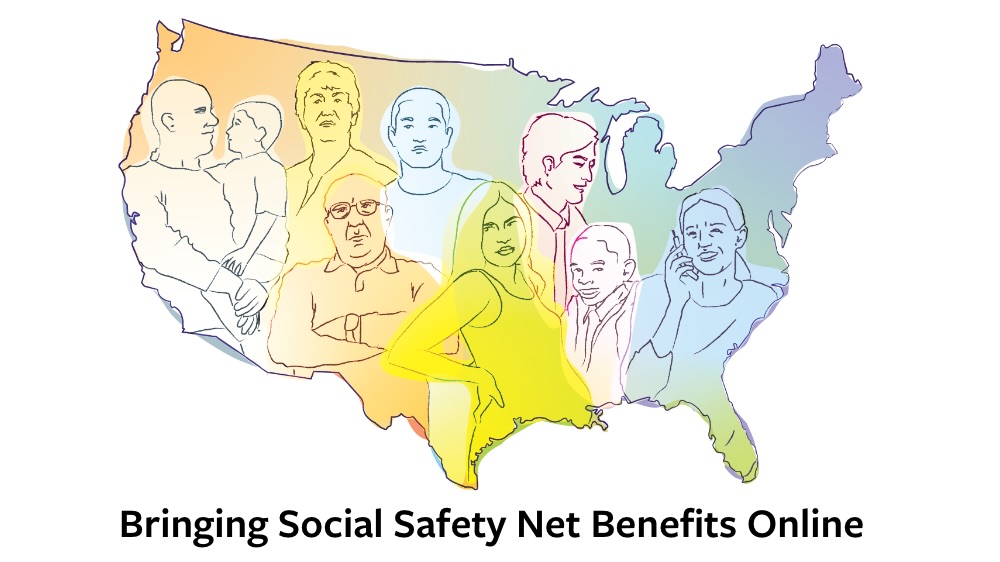
This visualized report is a first first-of-its-kind view of the state of benefits applications across the nation from a client perspective, including information on application availability online, combined benefit applications, application completion times, as well as login and identity proofing requirements.
CMS has identified a number of immediate and longer-term strategies that states can implement to improve application processing timeframes and address application backlogs.
This presentation from Steph White, Cross Enrollment Coordinator at the Michigan Department of Health and Human Services offers an in-depth example on implementing cross enrollment with WIC and general tools for cross enrollment.
In the article, researchers examines how administrative burdens in waitlist management for subsidized childcare in Massachusetts have led to significant reductions in the number of families awaiting assistance, potentially obscuring the true extent of unmet need.
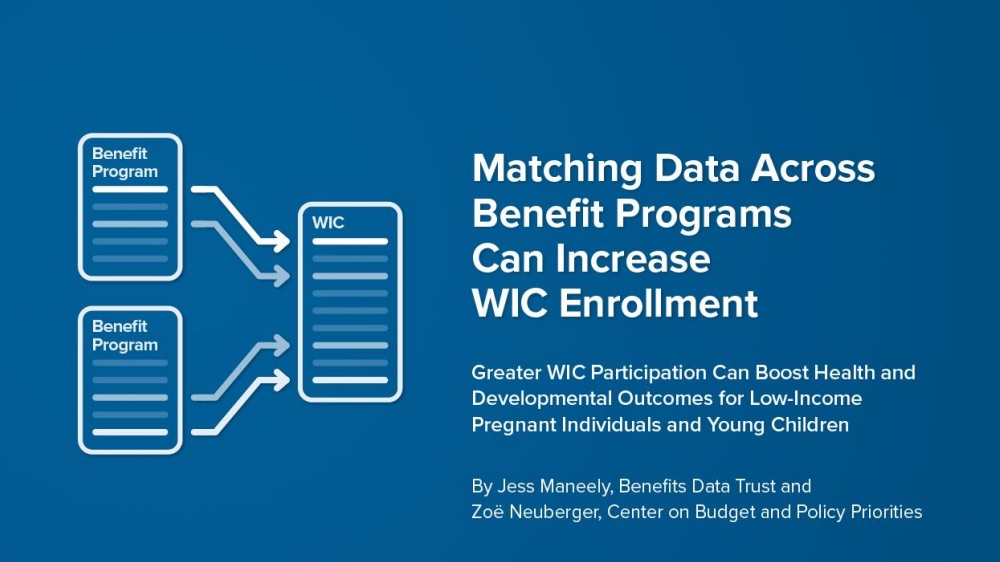
This case study highlights how states used data sharing and targeted outreach to boost WIC enrollment among Medicaid and SNAP participants, improving program reach and reducing disparities.
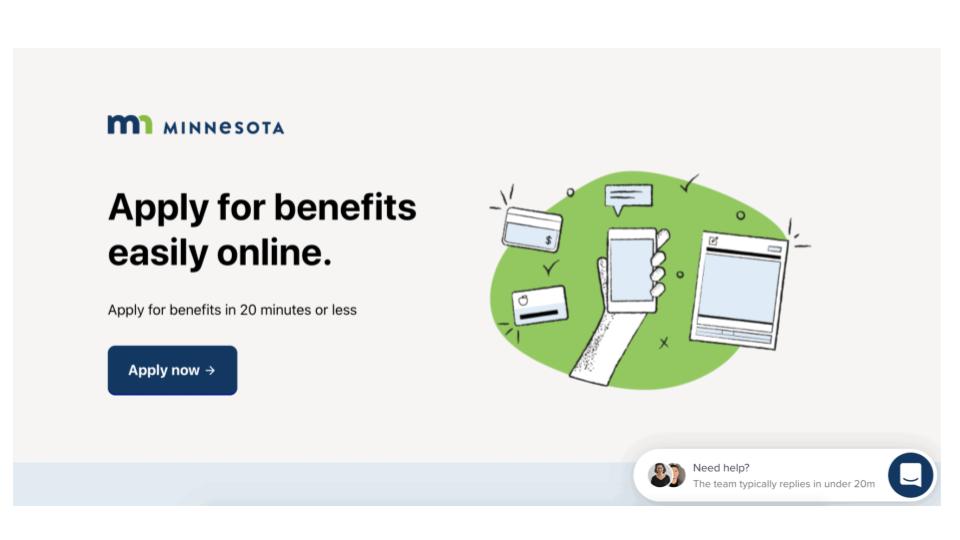
Minnesota is a good example of an organization that started small in its drive to integrate benefits programs. For instance, its recent statewide rollout of its online integrated benefit application website, MNbenefits.mn.gov, started as a pilot in 2020 with Code for America. The pilot encompassed two counties including Hennepin County, where Minneapolis is located. The pilot later expanded to four counties, then 16 and a tribal nation. The final roll out, which took 12 months to implement, included the state’s 87 counties and three tribal nations.
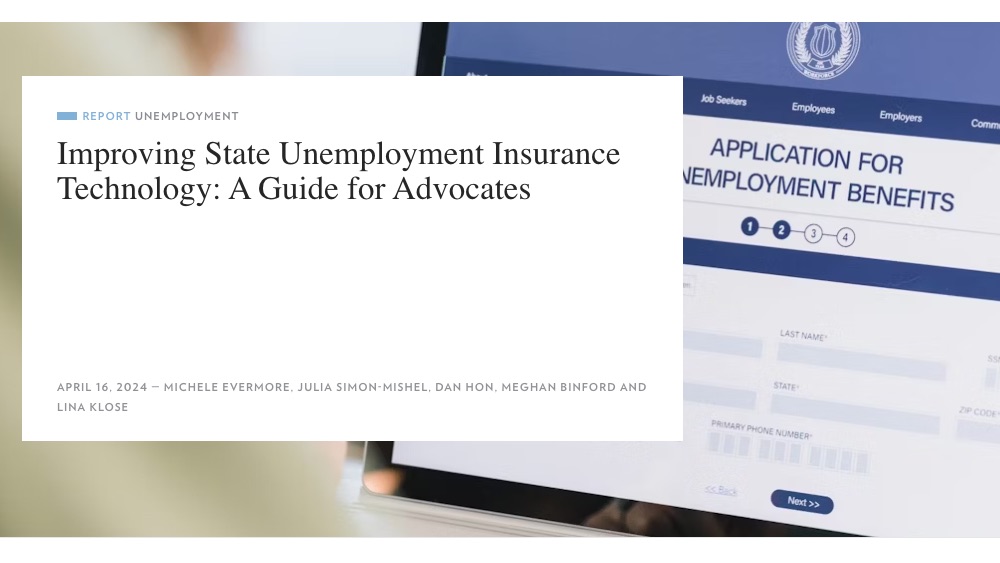
This guide is intended to provide everything else, with a focus on the basics of UI technology projects, guidance on standards for equitable uses of technology, and strategies for how to have a positive impact on these projects.
This report describes how the government can use widespread social media feedback and begin to build long-term measures to center people’s experience as an important component of policy design
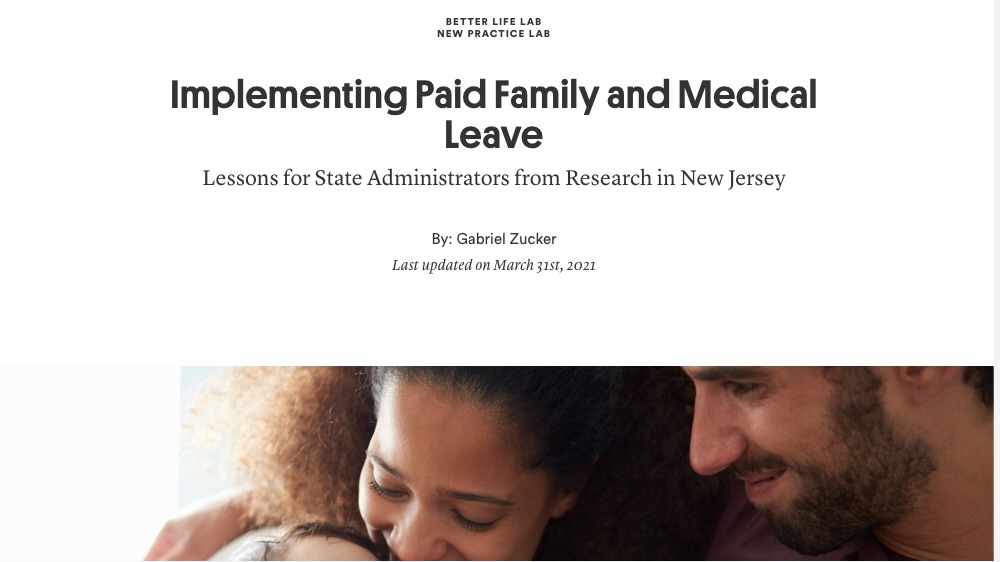
The "Implementing Paid Family and Medical Leave" report examines New Jersey's experience with paid leave programs, offering insights and recommendations for effective policy design and implementation.