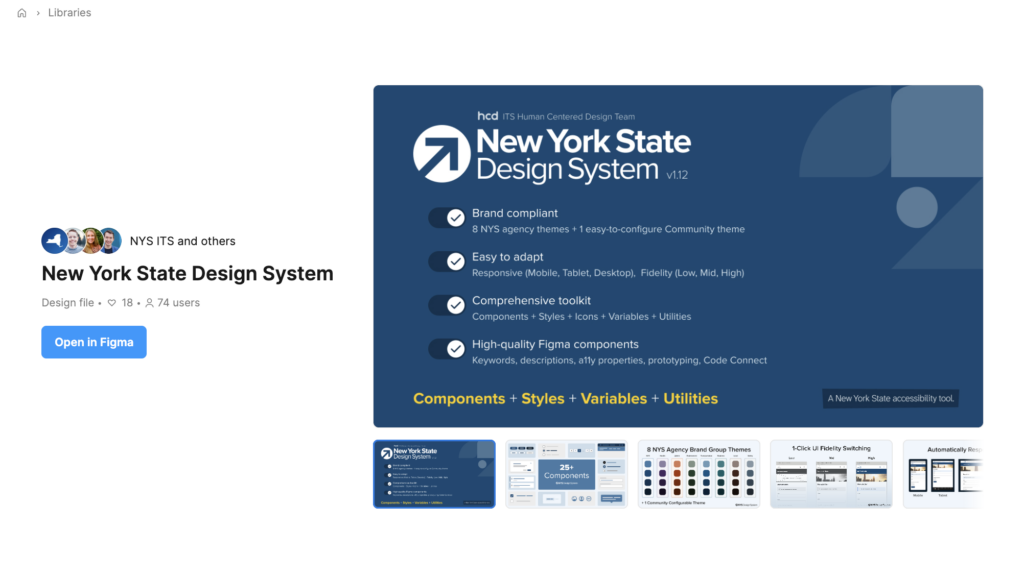
This research paper explores how government design systems function as the “translation layer” of digital public infrastructure, transforming technical systems into accessible, trustworthy citizen experiences.
A comprehensive guide that provides role definitions, hiring guidance, interview materials, and evaluation rubrics for building effective UX design and research teams.
This resource describes how different agencies have updated their systems to increase online and mobile access to benefits information and applications, including using text messages to share benefits information with residents.
The GSA’s Service Design program implemented a data-driven evaluation process to enhance digital experiences, improve compliance, and streamline its website portfolio, achieving significant cost savings and customer-centric digital transformation.
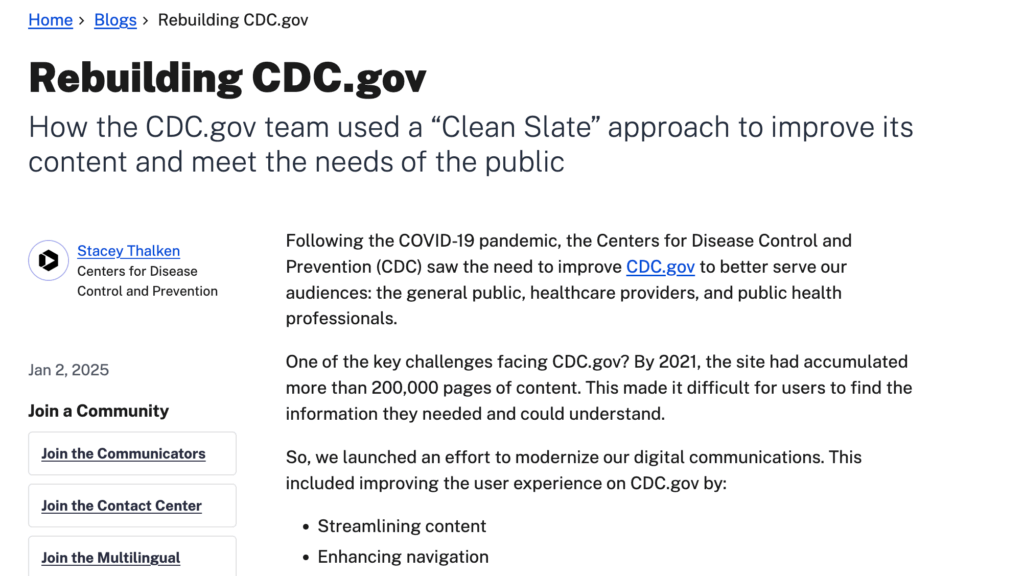
This blog describes how the CDC relaunched its website through a “Clean Slate” redesign—streamlining content, improving navigation, refreshing visual design, and adopting a new CMS—to better meet user needs and rebuild trust in public health communication.
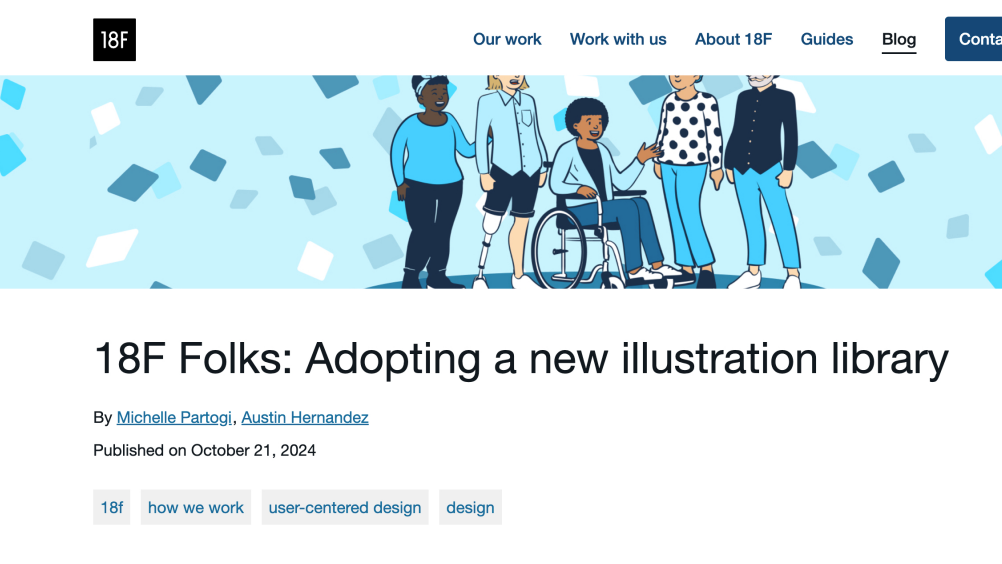
This blog describes how 18F adopted a new illustration library (“18F Folks”) based on Open Peeps, to better represent diversity, context, and human experiences in their visual communications.
This 2015 project presentation outlines the vision, research, and product requirements for DAHLIA, San Francisco’s online platform to centralize and simplify affordable housing searches and applications.
San Francisco Mayor's Office of Housing and Community Development
This report analyzes the impact of waivers that allowed WIC participants to be certified without in-person visits during the COVID-19 public health emergency, assessing effects on access, participation, and service delivery.
Practitioner Picks is a new quarterly series designed to add fresh resources to the Digital Government Hub’s library, helping people improve government digital service delivery. Each issue spotlights resources chosen by practitioners in a specific service delivery area along with their insights on why these picks are valuable additions to the Hub. In this edition, our contributors round up resources to help bring housing services into the digital age.
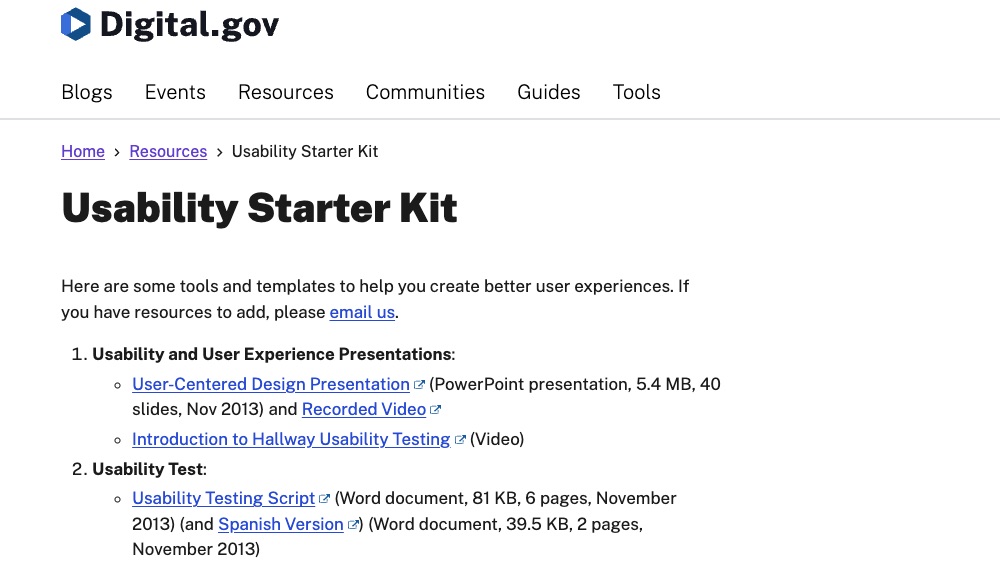
The DigitalGov Usability Starter Kit offers a comprehensive collection of tools and templates designed to assist in creating user-centered digital experiences.