This blog discusses a resource developed by the Digital Service at the Centers for Medicare & Medicaid Services (CMS) to assist individuals in navigating mental health, drug, or alcohol issues and connecting with appropriate support services.
U.S. Department of Health and Human Services (HHS)
A case study on how North Carolina leveraged human-centered design, interagency collaboration, and data-sharing strategies to improve cross-enrollment in SNAP, WIC, and Medicaid, aiming to reduce administrative burden and better serve families.
American Public Human Services Association (APHSA)
The Assessing Your WIC Certification Practices guide by the Center on Budget and Policy Priorities (CBPP) provides state and local WIC agencies with a framework to evaluate and improve their certification and enrollment processes to enhance access and participation.
This brief provides research recommendations to improve programs serving LGBT youth, focusing on homelessness and sexual health education services funded by the U.S. Department of Health and Human Services.
U.S. Department of Health and Human Services (HHS)
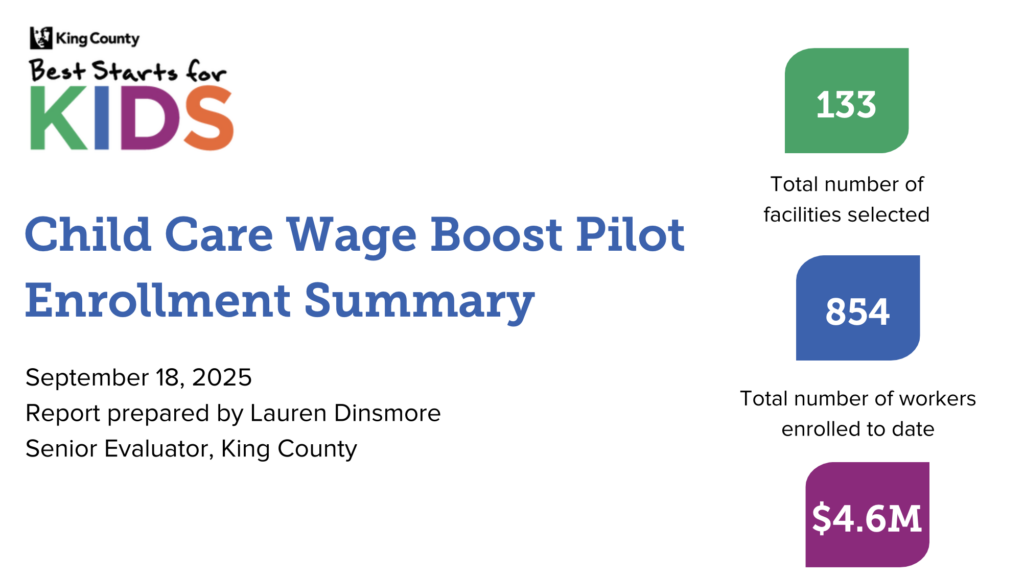
A data snapshot summarizing enrollment, participation, and early characteristics of workers and facilities participating in a child care wage boost pilot.
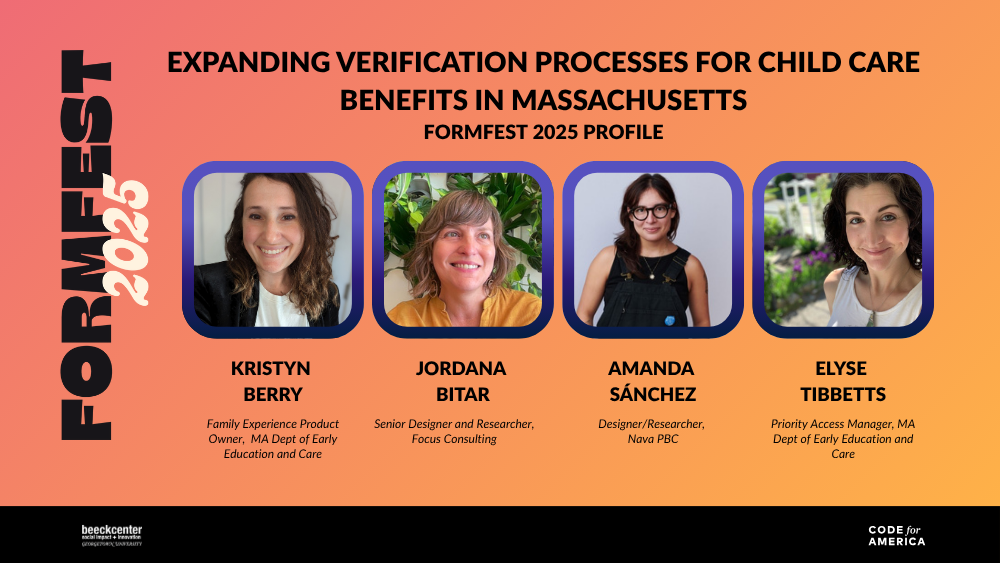
This FormFest profile examines how Massachusetts’ Department of Early Education and Care is modernizing its child care benefits system through human-centered design, making verification and application processes simpler, more compassionate, and more efficient for families and staff.