The Digital Service Network (DSN) recently sat down with the Maryland Family and Medical Leave Insurance (FAMLI) team to learn more about an exciting role they’re hiring for.
Your role as a Digital Service Expert will be a focus on Human-Centered Design. This role is best for someone with experience in both user experience and service design.
The Digital Service Network (DSN) spoke with Ashley O’Brien, user experience designer for the City of Saint Paul, MN, about the flexible and resourceful approach she took to reach people across the city.
An event recap from one of FormFest 2024's breakout sessions featuring speakers from South Bend Indiana and others working on creating accessible legal forms.
This session from FormFest 2024 features the South Carolina Early Childhood Advisory Council’s work developing a single portal to integrate applications for publicly funded programs and services, and the office of Federal Student Aid’s work on the FAFSA form.
User research requires working as a team, since it necessitates running sessions with participants, observing and moderating research sessions, analyzing and synthesizing results, as well as communicating results effectively.
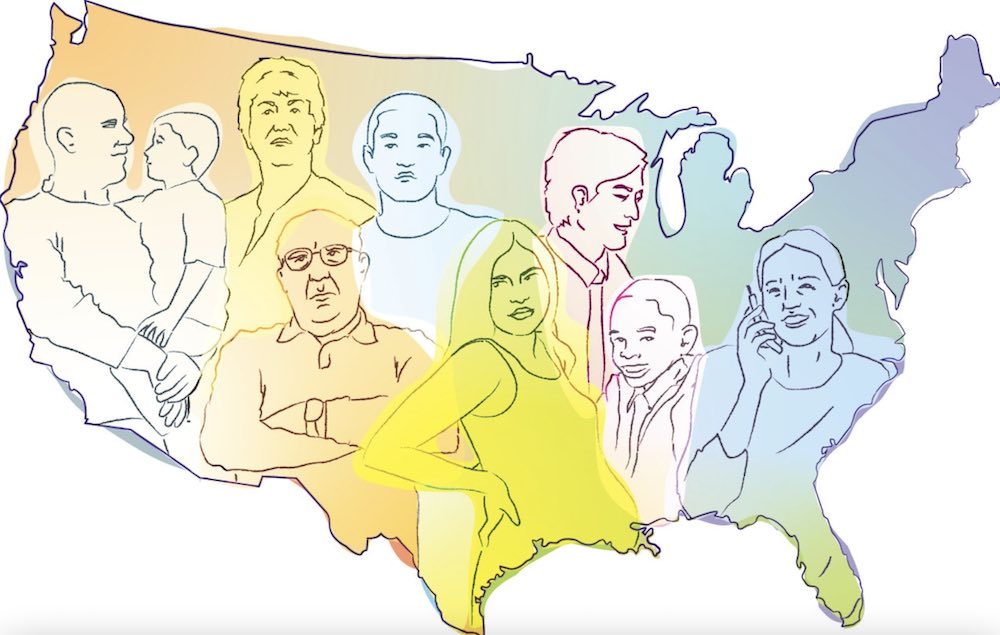
This article discusses Code for America’s research into the user experience of applying or Medicaid, SNAP, TANF, WIC, and LIHEAP in the United States. They found that user experience applying for benefits programs varies greatly by (and often within) each state.
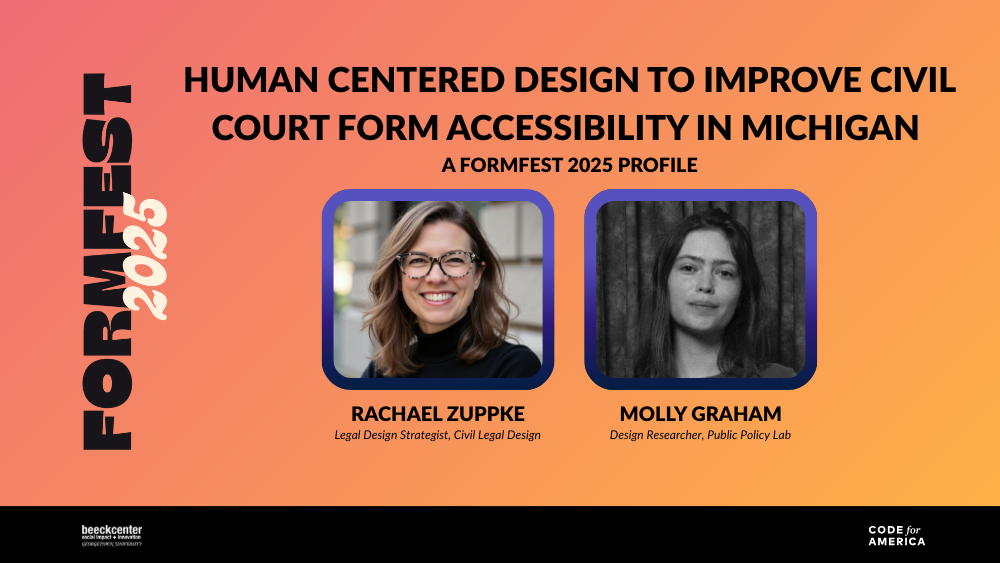
This FormFest profile highlights Rachael Zuppke and Molly Graham’s work to redesign Michigan’s civil court forms using human-centered design, making them more accessible for people who must represent themselves in critical cases like eviction, family law, and guardianship.
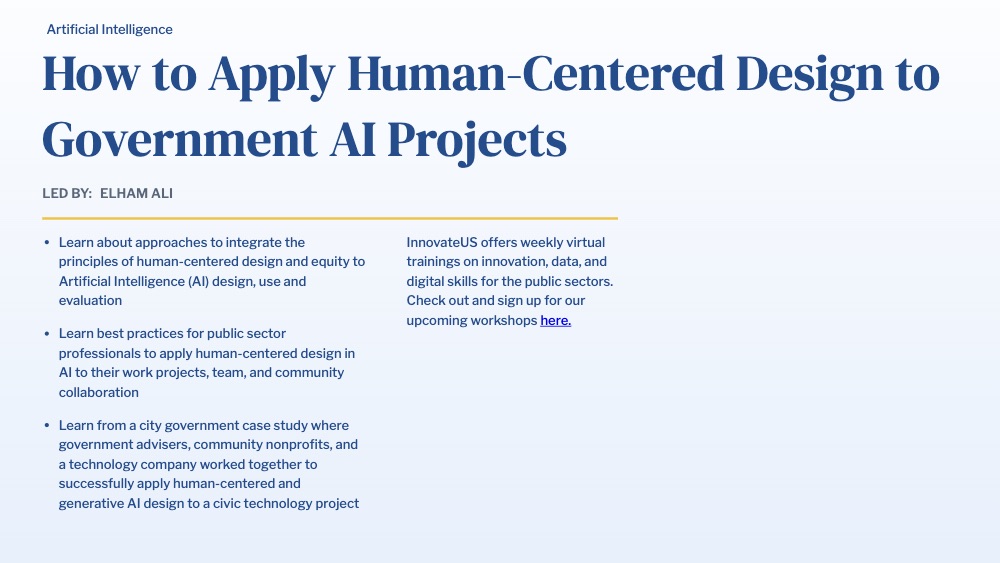
A workshop led by Elham Ali on integrating the principles of human-centered design and equity to Artificial Intelligence (AI) design, use, and evaluation.