This research used observational research with unemployment insurance (UI) claimants to identify pain points in the application process and inform customer experience improvements.
Better designs should never come at the cost of another person’s wellbeing. Informed consent is a fundamental part of an ethical research program, which respects participants and protects them from harm.
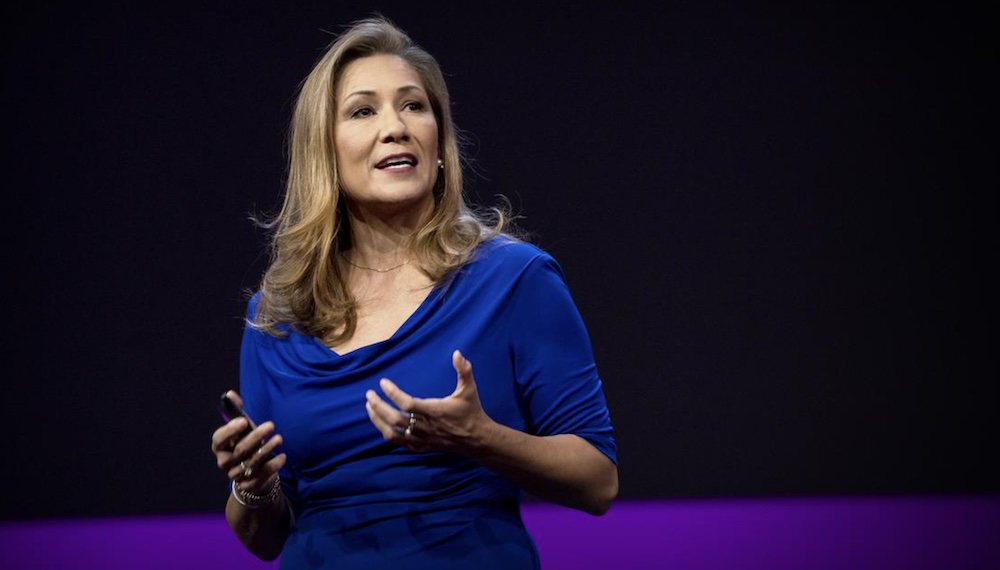
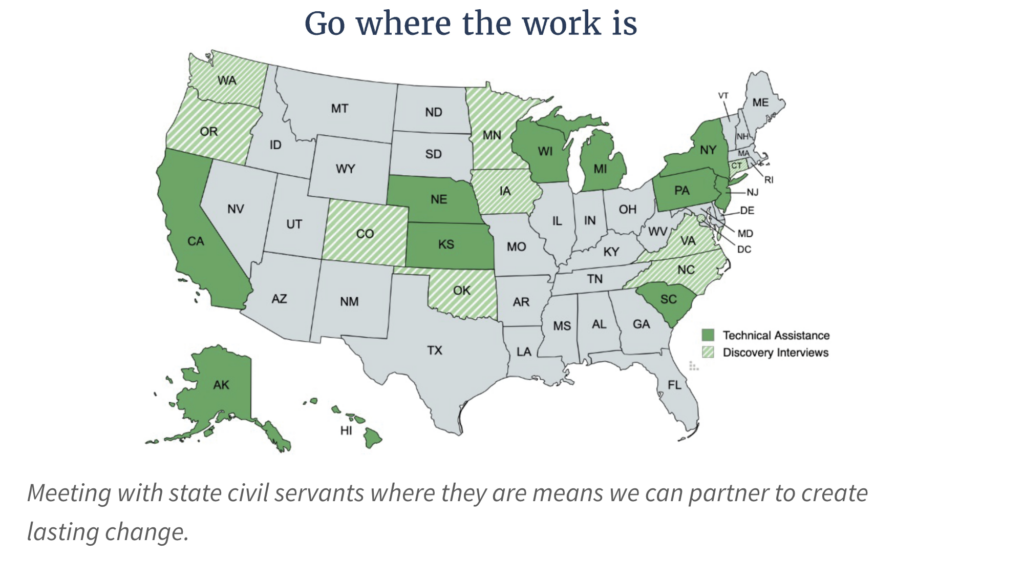
Code for America CEO introduces the Safety Net Innovation Lab in a TED Talk, their initiative to work with state governments to reimagine and rebuild delivery of accessible and equitable benefits. This article also includes the video of Renteria’s talk and a transcript.
USDS partnered with CMCS and state Medicaid agencies to improve eligibility and enrollment systems after the COVID-19 Public Health Emergency ended, focusing on health coverage renewals.
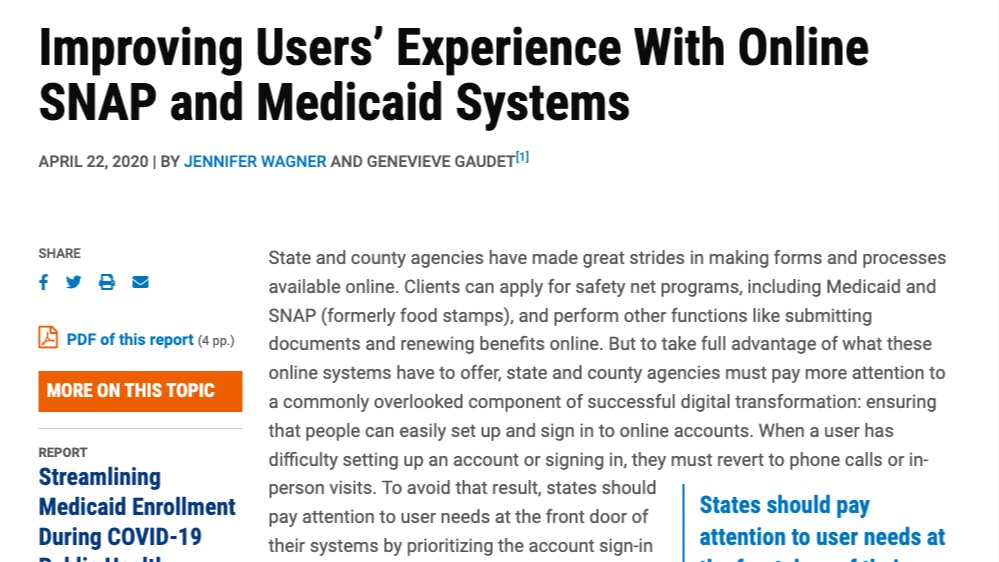
This report explores how state and local agencies can enhance customer service in health and human services by implementing technologies such as web-based tools, mobile applications, and call center innovations, aiming to streamline processes and improve client interactions.
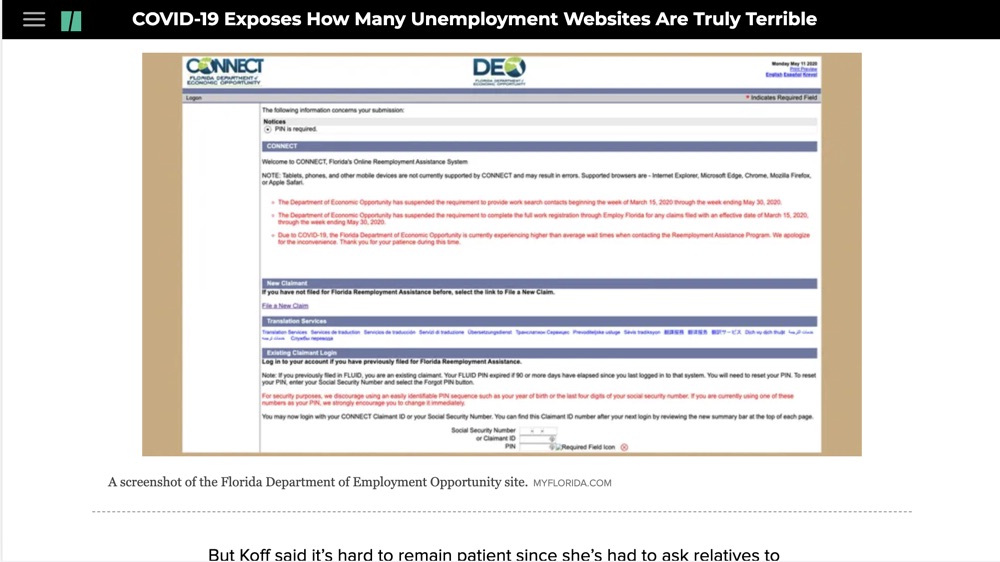
This HuffPost article investigates the widespread failures of state unemployment websites during the COVID-19 pandemic, highlighting outdated technology, accessibility issues, and the human impact of these systemic breakdowns.
This issue brief illustrates the challenges that many older adults with low income face in gaining access to benefits online. It addresses digital literacy, access to broadband internet, and the increasing prevalence of connecting online to SNAP.
The Improving Service Delivery in EITC for New Yorkers initiative explores ways to enhance access to the Earned Income Tax Credit (EITC) through improved outreach, application processes, and service delivery.
The Medicaid Renewals Playbook offers strategies for technologists assisting states in streamlining Medicaid renewal processes during the COVID-19 Public Health Emergency unwinding.