Code for America explores the systems at play and the individuals experience of participants in WIC. By investigating overall quantitative trends in coverage, redemption, and retention rates, they use the data as a guide to build out a qualitative research plan that explains why such trends are occurring.
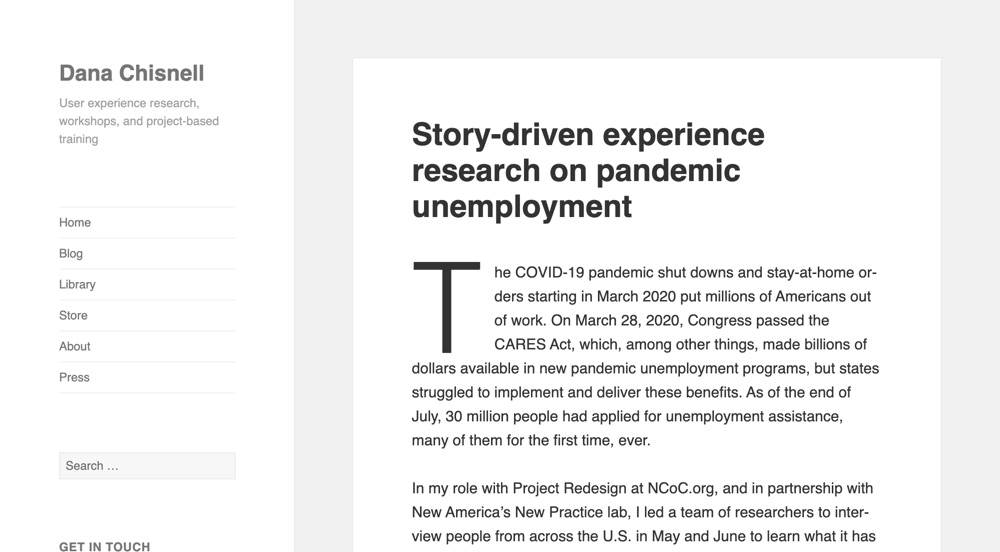
Dana Chisnell describes work leading a team of researchers to interview people from across the US on their experiences applying for unemployment and other benefits during the pandemic.
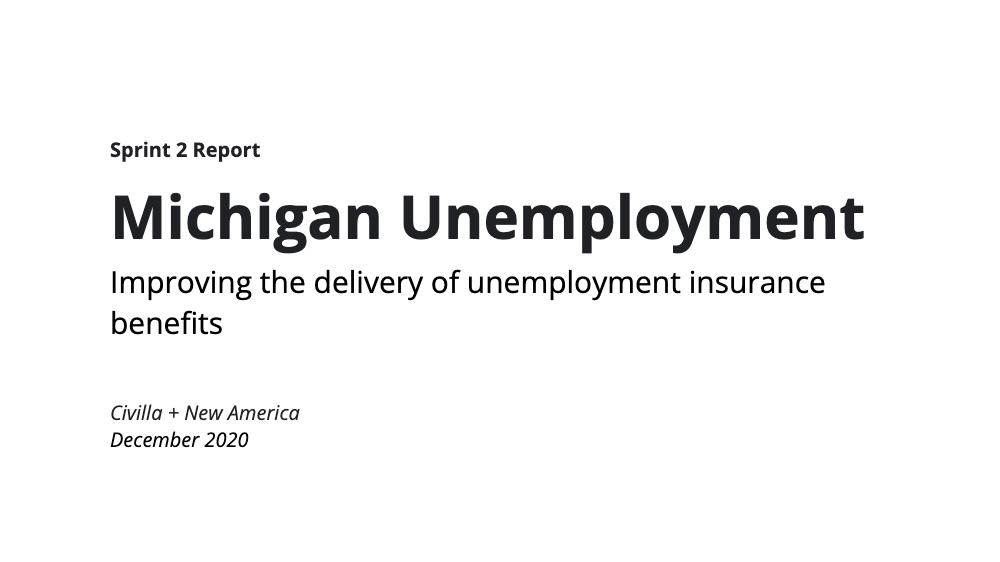
The Sprint 2 Report: Michigan UI Claimant Experience by Civilla and New America examines challenges in Michigan’s unemployment insurance (UI) system and provides human-centered design recommendations to improve accessibility, clarity, and user experience.
This memo provides information to child and family service agencies on improving support for intersex children, adolescents, and their families through affirming practices, resources, and partnerships.
U.S. Department of Health and Human Services (HHS)
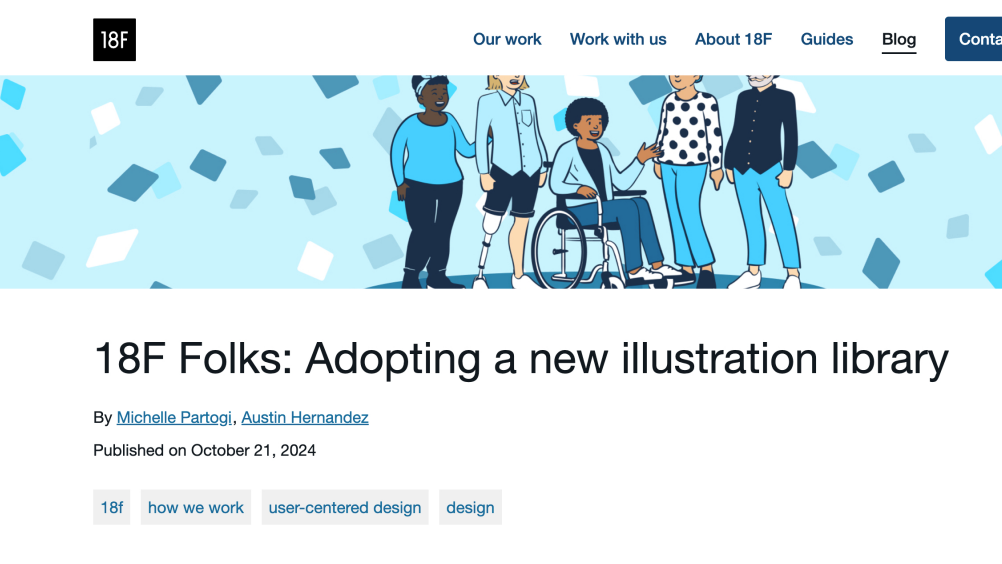
This blog describes how 18F adopted a new illustration library (“18F Folks”) based on Open Peeps, to better represent diversity, context, and human experiences in their visual communications.
This 2015 project presentation outlines the vision, research, and product requirements for DAHLIA, San Francisco’s online platform to centralize and simplify affordable housing searches and applications.
San Francisco Mayor's Office of Housing and Community Development
Practitioner Picks is a new quarterly series designed to add fresh resources to the Digital Government Hub’s library, helping people improve government digital service delivery. Each issue spotlights resources chosen by practitioners in a specific service delivery area along with their insights on why these picks are valuable additions to the Hub. In this edition, our contributors round up resources to help bring housing services into the digital age.
This is a government catalog of reusable digital service components, templates, and patterns designed to help public sector teams build services more efficiently and consistently.
This research paper examines how stigma shapes participation in U.S. social safety net programs and influences public support for benefit design and access.