This brief synthesizes the manner in which the political and social service environments affect the intergenerational stability of non-citizen families, offering insights into programmatic supports.
American Public Human Services Association (APHSA)
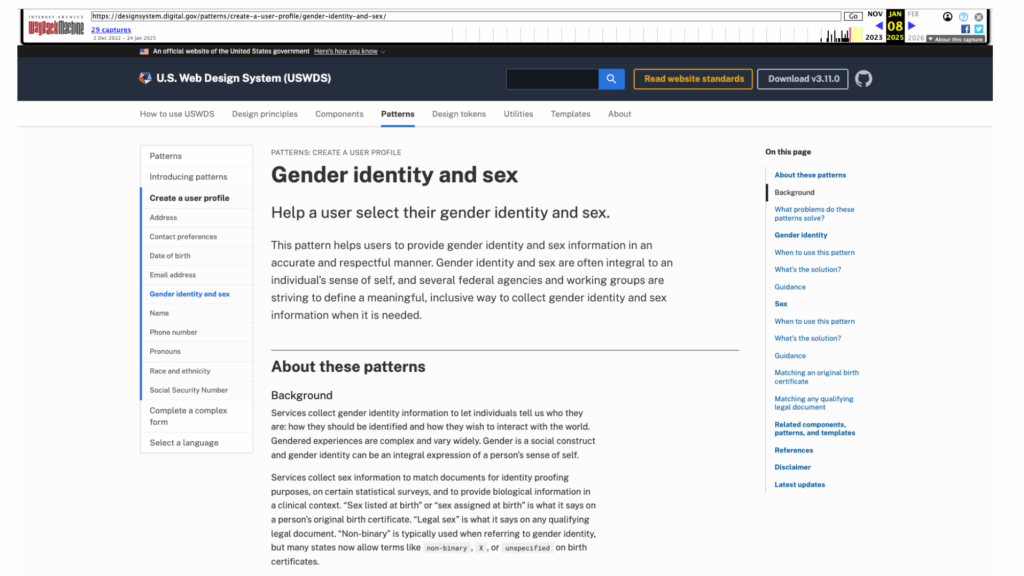
When creating a user profile, this U.S. Web Design System pattern helps users to provide gender identity and sex information in an accurate and respectful manner.
This roadmap outlines NYC’s strategy to achieve digital equity by expanding broadband access, improving digital literacy, and fostering cross-agency coordination.
An updated guide for public sector and civic data users to embed racial equity and community voice throughout the data life cycle—from planning to dissemination.
This case study highlights how Illinois is modernizing its student data infrastructure and interagency data sharing to increase access to SNAP and Summer EBT benefits for eligible children and families, particularly those facing systemic barriers.
American Public Human Services Association (APHSA)
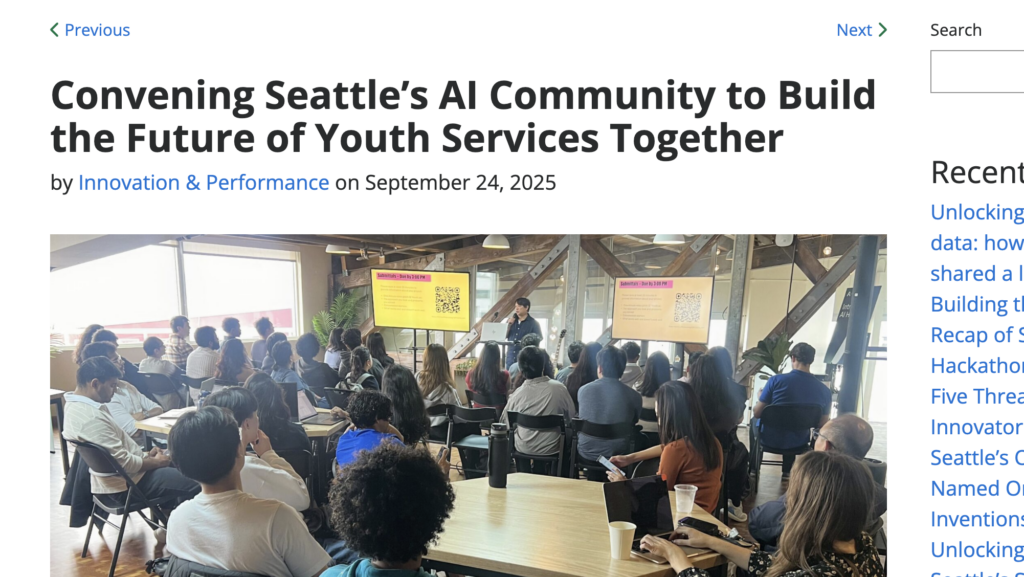
A recap of a community innovation hackathon in Seattle where technologists and students used AI to prototype solutions that help youth discover and access local programs and services.
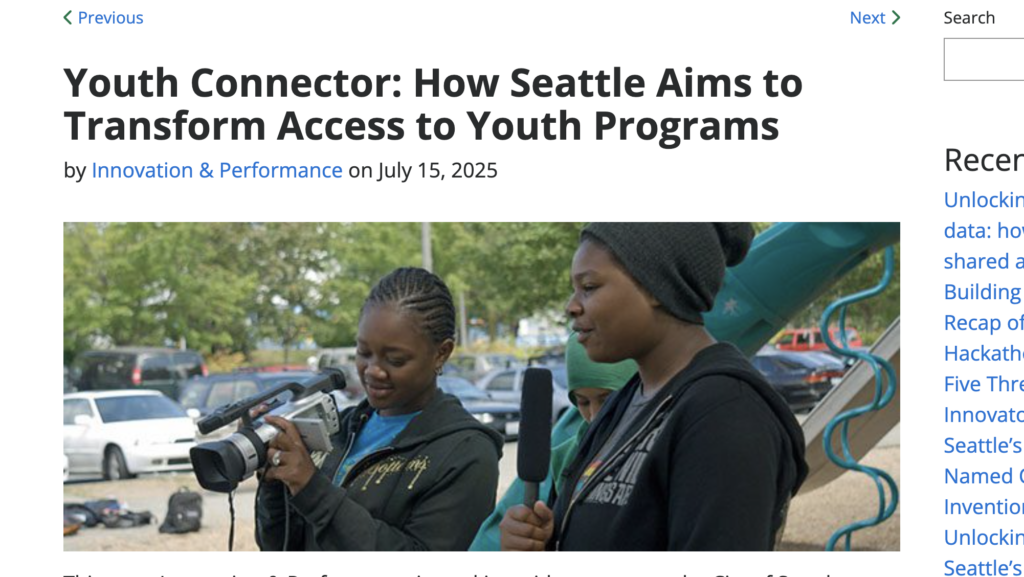
A blog post describing Seattle’s Youth Connector initiative, a city effort to make it easier for young people to discover, access, and connect with youth programs and supports that promote mental health, enrichment, and opportunity.
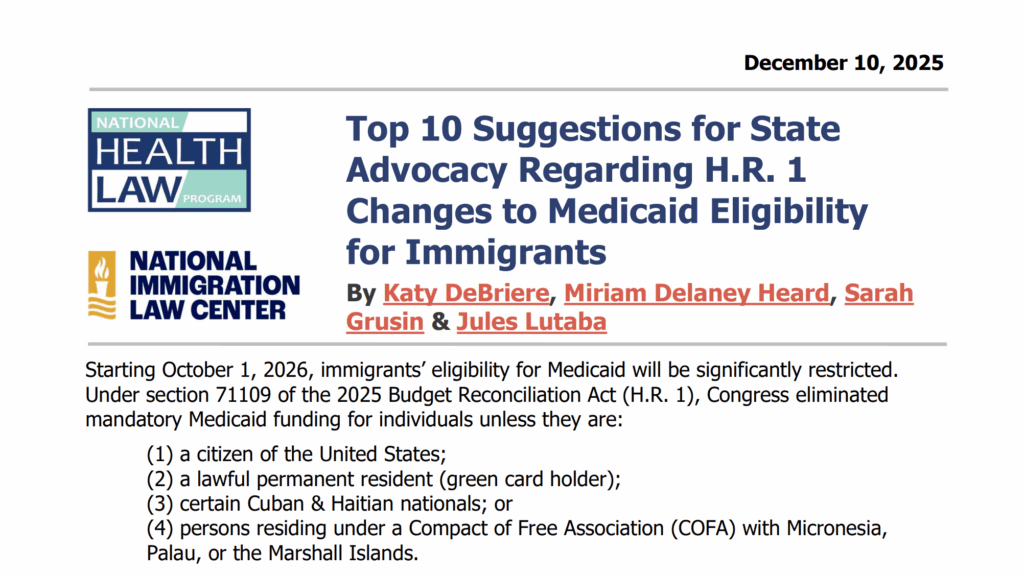
A policy guidance document outlining practical steps states can take to reduce harm to immigrant communities following major Medicaid eligibility restrictions enacted under federal budget reconciliation legislation.
The City of Boston's disability-aware standards for City resources and the collection of disability data from residents throughout government processes.
This is a job description for the role of Diversity, Equity, Inclusion, & Accessibility Technology Advisor from the Technology Transformation Services (TTS).