This paper describes the policy choices, business practices, and technology innovations that the State of New Jersey is employing to ensure that the right people get benefits — accurately and on time.
In this brief, APHSA outlines its commitment to addressing the causes of structural inequities by first illuminating structural root causes of race inequity within the context of human services. The brief outlines approaches to doing the intentional and systematic work that is required to counteract the structural barriers human services systems have fostered.
American Public Human Services Association (APHSA)
This toolkit provides resources for training and technical assistance (T/TA) providers in the Child Care Technical Assistance Network (CCTAN) to help State, Territory, and Tribal CCDF Lead Agencies be prepared to conduct equity assessments.
This issue brief illustrates the challenges that many older adults with low income face in gaining access to benefits online. It addresses digital literacy, access to broadband internet, and the increasing prevalence of connecting online to SNAP.
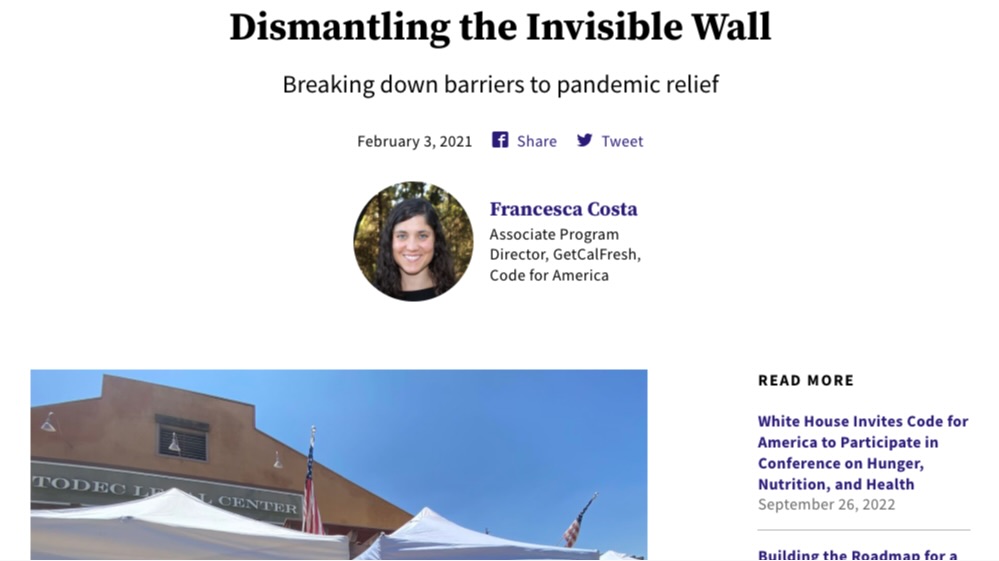
This article details California's Disaster Relief Assistance for Immigrants (DRAI) program, which provided $500 in cash aid to undocumented adults affected by the COVID-19 pandemic, highlighting the collaborative efforts between the state, community-based organizations (CBOs), and Code for America to distribute $75 million to 150,000 individuals.
In order to create for all, we have to employ processes that authentically engage misrepresented communities. People tend to think of diversity, equity, and inclusion (DEI) efforts in terms of implicit bias workshops, employee resource groups, and hiring processes. These efforts are all important, but it is also necessary to focus on DEI as it relates to the creation of products, services, and content, and use a design-thinking approach to tackle these tricky issues.
Executive Order 13985, titled "Advancing Racial Equity and Support for Underserved Communities Through the Federal Government," was issued by President Joe Biden on January 20, 2021, to promote equity across federal agencies.
The City of Boston's disability-aware standards for City resources and the collection of disability data from residents throughout government processes.
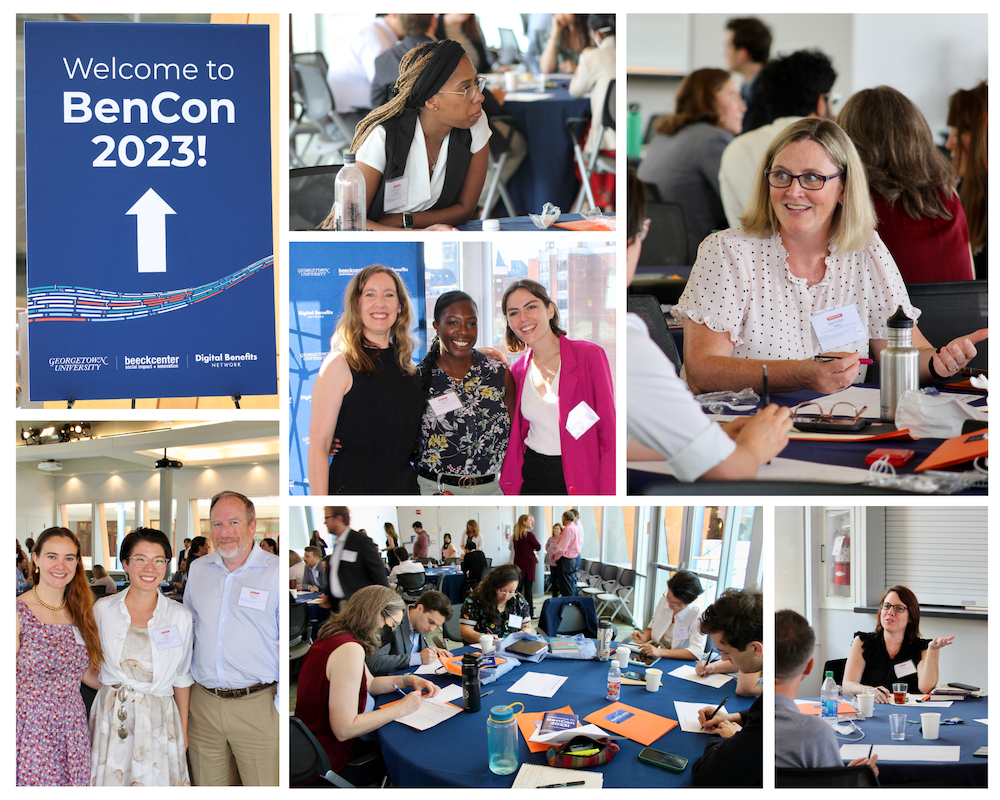
The article discusses key takeaways from BenCon 2023, highlighting the importance of creating equitable and ethical public benefits technology. It emphasizes the need for tech solutions that address systemic inequalities, ensure accessibility, and promote inclusivity for underserved communities in accessing public services.
The Community-Driven Policies and Practices project engaged people experiencing poverty in power-building sessions to develop advocacy plans for economic justice. This report offers recommendations for nonprofits to engage people with lived experience of poverty in advocacy.