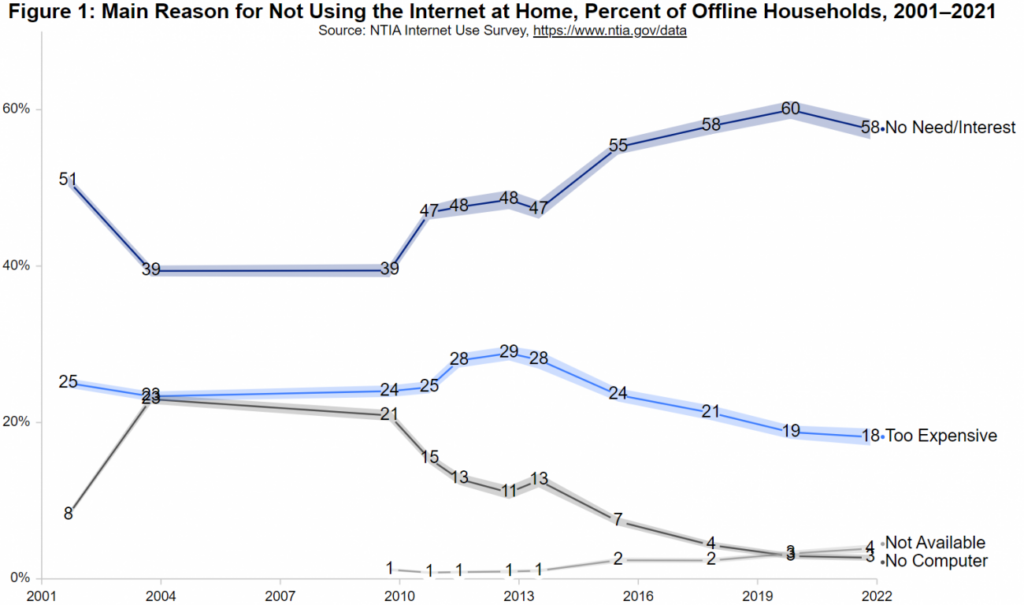
About one in five U.S. households lack home Internet access because many say they don’t need or want it and others—especially lower-income families—can’t afford service or the devices and skills to use it, highlighting persistent digital divide barriers.
National Telecommunications and Information Administration
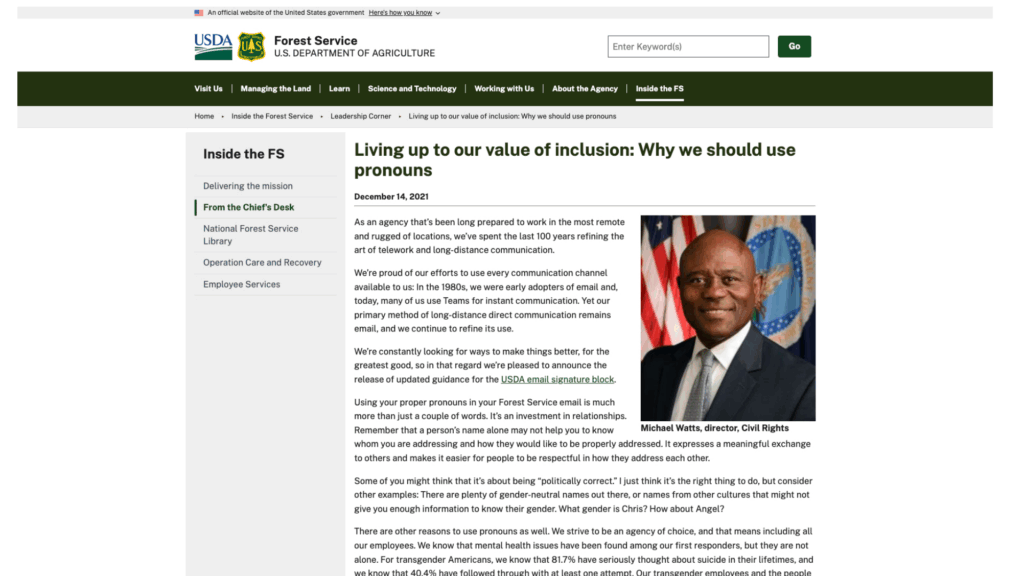
This toolkit outlines actionable changes for government practitioners looking to improve the accuracy and accessibility of the questions on their forms that collect information about a user’s gender.
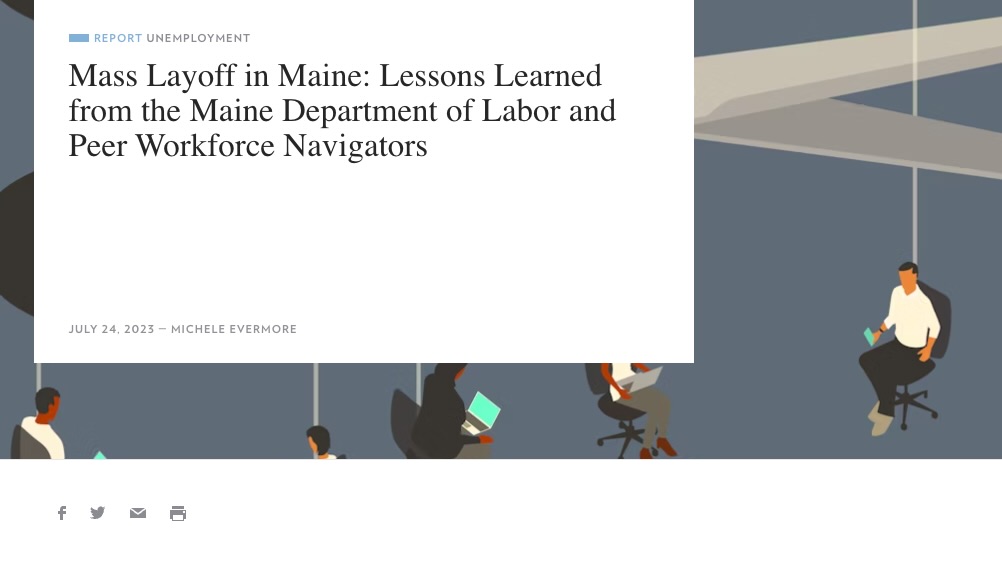
This report explores the Maine Department of Labor’s (MDOL) remarkable response to this layoff through collaboration with the Peer Workforce Navigator project—a coalition of community-based organizations in partnership with the MDOL—which made a huge difference in the lives of these laid off workers. The report also examines aspects of the state’s unemployment insurance (UI) system that might be improved to account for similar situations in the future.
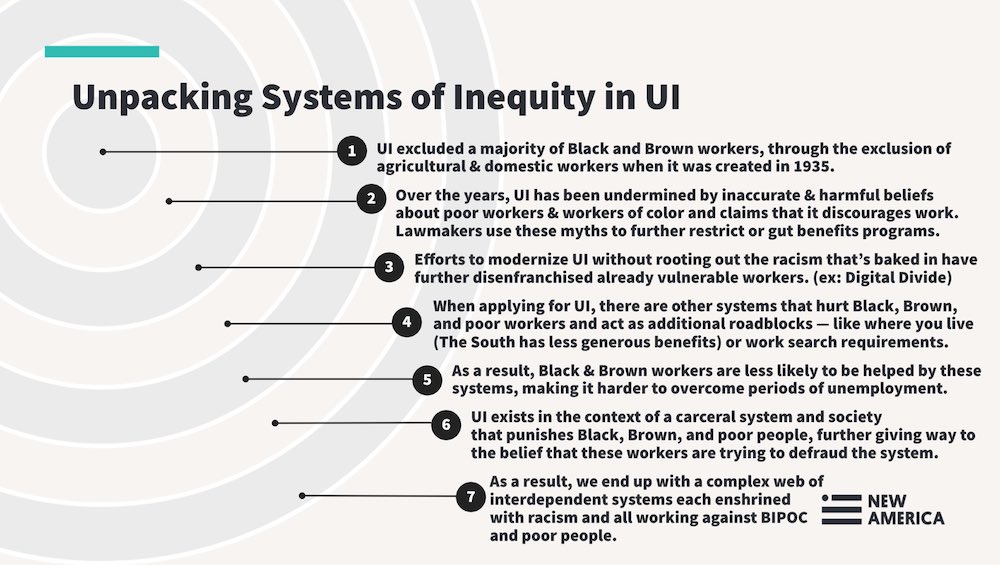
New America’s New Practice Lab discusses insights into racial inequities within the Unemployment Insurance System, and provides recommendations its framework for rectifying inequality in policies and programs moving forward.
An updated guide for public sector and civic data users to embed racial equity and community voice throughout the data life cycle—from planning to dissemination.
This report explores how public benefit systems can better support young adults by addressing the barriers they face in accessing and maintaining vital services like SNAP, Medicaid, and WIC.
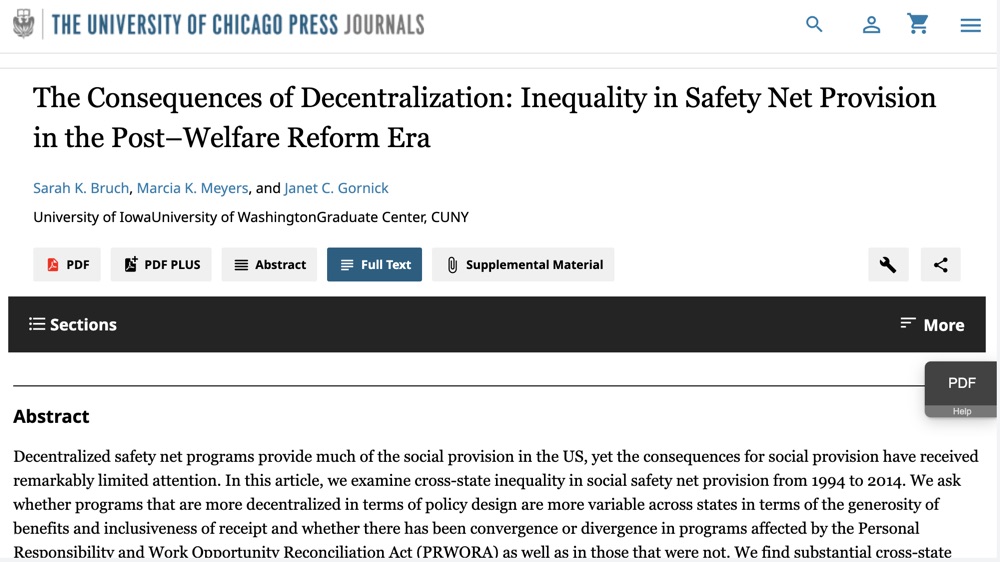
This article examines how the decentralization of safety net programs after welfare reform has led to growing inequality in benefit generosity and access across U.S. states.
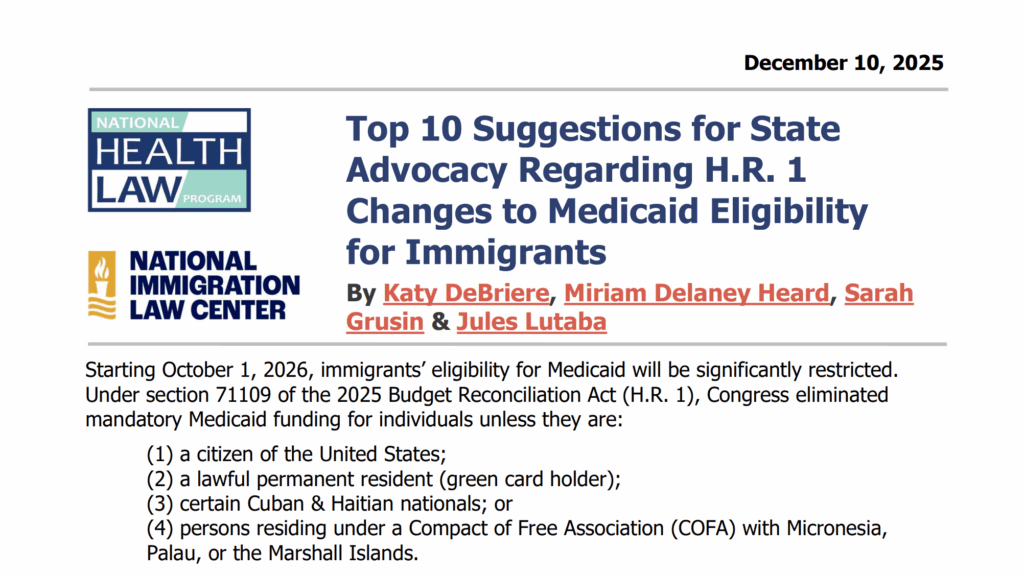
A policy guidance document outlining practical steps states can take to reduce harm to immigrant communities following major Medicaid eligibility restrictions enacted under federal budget reconciliation legislation.