The article examines the participation of adults aged 50 and older in the Supplemental Nutrition Assistance Program (SNAP) in 2022, highlighting the program's role in reducing food insecurity and poverty among older adults, especially those with disabilities.
This factsheet outlines the Administration for Children and Families’ (ACF) 2024 initiatives to promote health equity across its programs by embedding equity into funding, service delivery, and community engagement.
U.S. Department of Health and Human Services (HHS)
This case study examines how Michigan’s Department of Health and Human Services uses data practices to advance racial equity in child welfare through identity-informed data collection and anonymous decision-making.
U.S. Department of Health and Human Services (HHS)
This resource offers practical strategies for early childhood programs to create inclusive, affirming environments for LGBTQIA2S+ families and their children.
U.S. Department of Health and Human Services (HHS)
This roadmap outlines NYC’s strategy to achieve digital equity by expanding broadband access, improving digital literacy, and fostering cross-agency coordination.
This article shares insights from Minnesota-based focus groups, revealing that low-income women navigating unemployment insurance often face confusion and uncertainty around eligibility, complex administrative processes, and additional challenges related to childcare, housing stability, and mistrust of benefit systems.
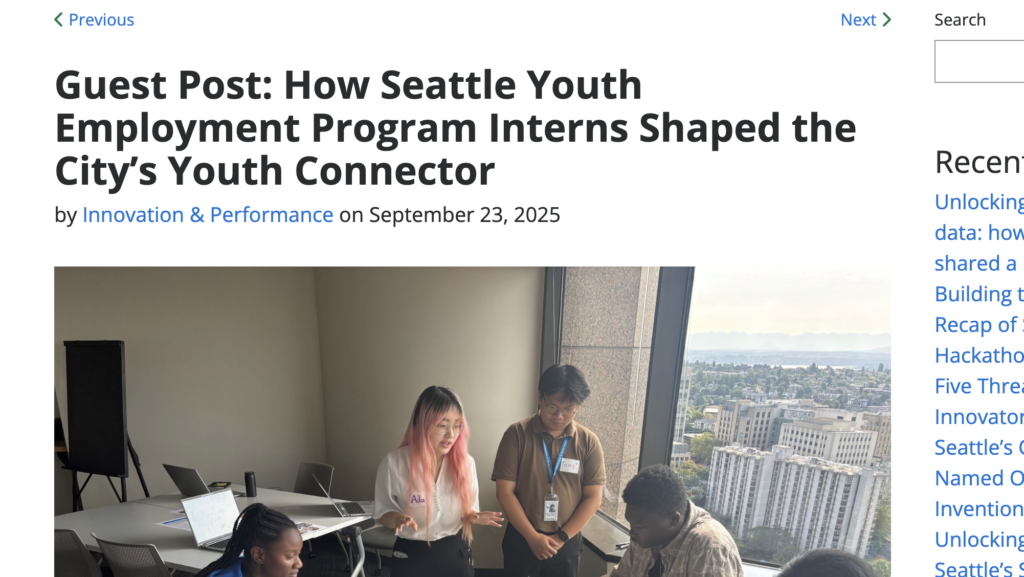
A blog post highlighting how youth employment interns contributed to shaping and co-designing the Youth Connector project by leading research, feedback sessions, and design testing to ensure the platform reflects youth needs.
A research report that defines different local early childhood governance models and explains how communities can choose and design governance structures to support effective early care and education systems.
The Playbook’s purpose is to guide researchers while supporting and lending authority to community organizations as they advocate for partnerships that will benefit their constituencies. The Playbook aims to provide some answers to such questions as: How can technologists and scientists engage communities in a spirit of partnership, without such extractive practices? How can community organizations work with researchers in ways that benefit their communities and expand their capacity, rather than burdening their staff?