For the past year, modernization teams at the Department of Labor (DOL) have been helping states identify opportunities to automate rote, non-discretionary, manual tasks, with the goal of helping them speed up the time that it takes to process claims. This post provides more context on Robotic Process Automation (RPA) and potential use cases in unemployment insurance.
This video shows you how to get started with using Generative AI tools, including Bard, Bing, and ChatGPT, in your work as public sector professionals.
Companies have been developing and using artificial intelligence (AI) for decades. But we've seen exponential growth since OpenAI released their version of a large language model (LLM), ChatGPT, in 2022. Open-source versions of these tools can help agencies optimize their processes and surpass current levels of data analysis, all in a secure environment that won’t risk exposing sensitive information.
This study evaluates the use of RPA technology by three states to automate SNAP administration, focusing on repetitive tasks previously performed manually.
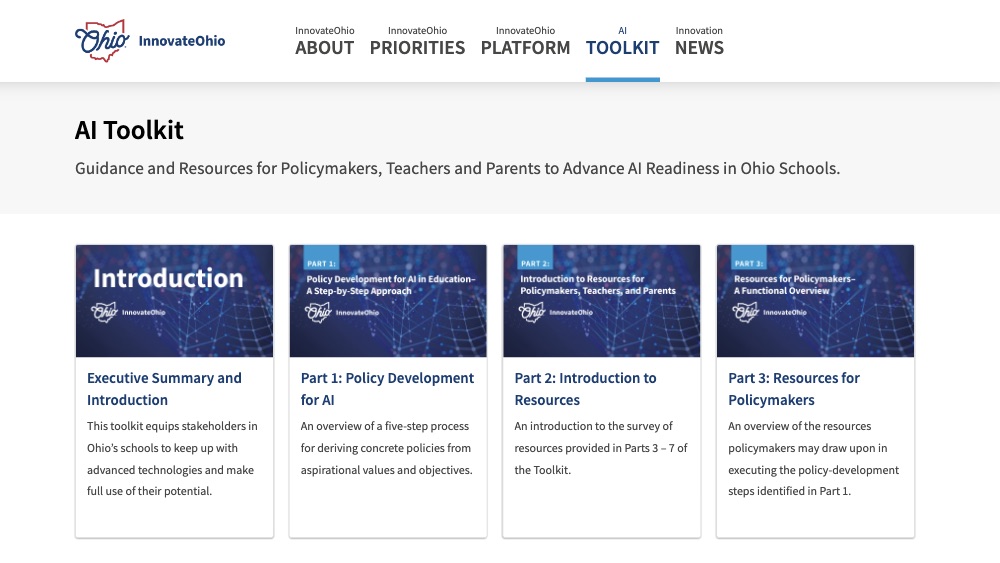
This plan promotes responsible AI use in public benefits administration by state, local, tribal, and territorial governments, aiming to enhance program effectiveness and efficiency while meeting recipient needs.
U.S. Department of Health and Human Services (HHS)
This framework outlines USDA’s principles and approach to support States, localities, Tribes, and territories in responsibly using AI in the implementation and administration of USDA’s nutrition benefits and services. This framework is in response to Section 7.2(b)(ii) of Executive Order 14110 on Safe, Secure, and Trustworthy Development and Use of Artificial Intelligence.
What exactly are the differences between generative AI, large language models, and foundation models? This post aims to clarify what each of these three terms mean, how they overlap, and how they differ.
Center for Security and Emerging Technology (CSET)
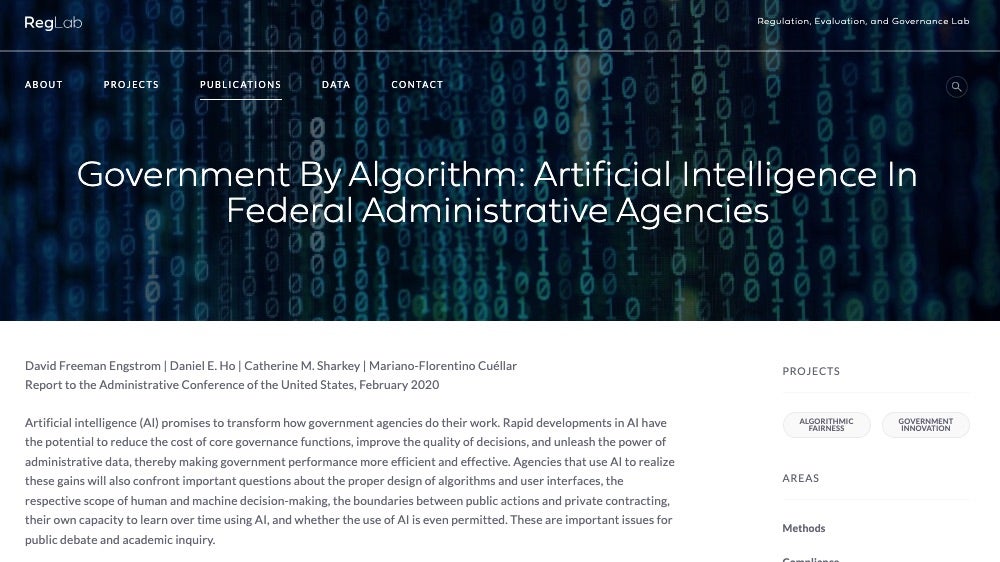
Little is known about how agencies are currently using AI systems, and little attention has been devoted to how agencies acquire such tools or oversee their use.
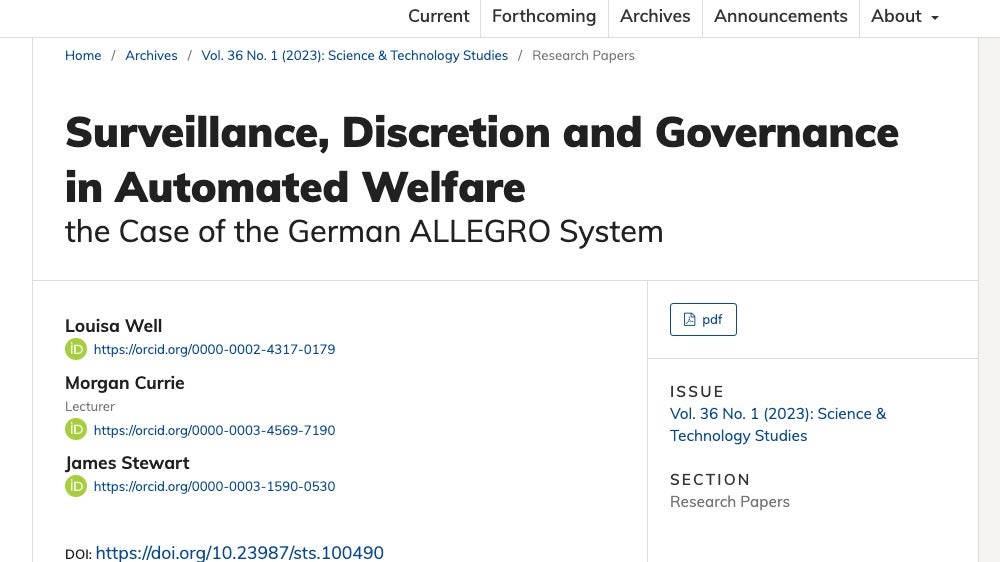
This academic article develops a framework for evaluating whether and how automated decision-making welfare systems introduce new harms and burdens for claimants, focusing on an example case from Germany.