This report explores innovative solutions and insights from CMS Innovation Center's Hackathon series to address the unique healthcare challenges faced by rural, Tribal, and geographically isolated communities.
This article examines how Chile’s SUSESO is balancing cost-focused procurement criteria with ethical AI concerns in its medical claims automation process.
This chart is based on the flow of infection control information from national and state guidance down through healthcare systems and facilities, ultimately reaching frontline healthcare workers.
This policy brief outlines how extending postpartum Medicaid and CHIP coverage can improve maternal health outcomes, reduce disparities, and strengthen continuity of care during the critical first year after childbirth.
This is a modular, dynamic roadmap guides the U.S. HHS's ongoing implementation of open data policies while inviting public collaboration and feedback.
U.S. Department of Health and Human Services (HHS)
A data report providing updated statistics on key federal programs that support the well-being of women, LGBTQI+ individuals, and their families, highlighting trends, coverage gaps, and areas for policy improvement.
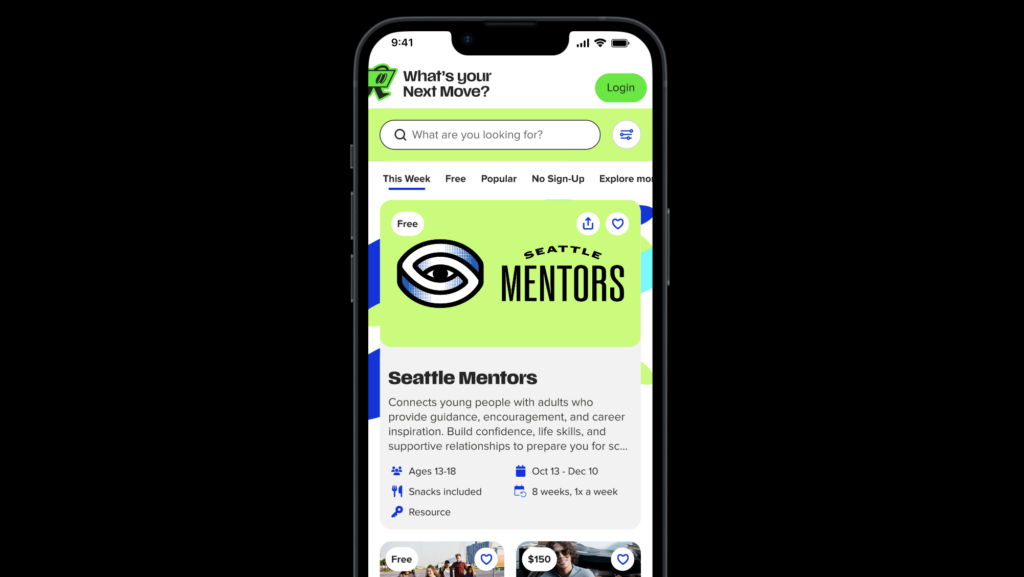
An interactive prototype that illustrates a user interface concept for the Seattle Next Move service, showcasing screen flows and interactions for mobile/web user journeys.
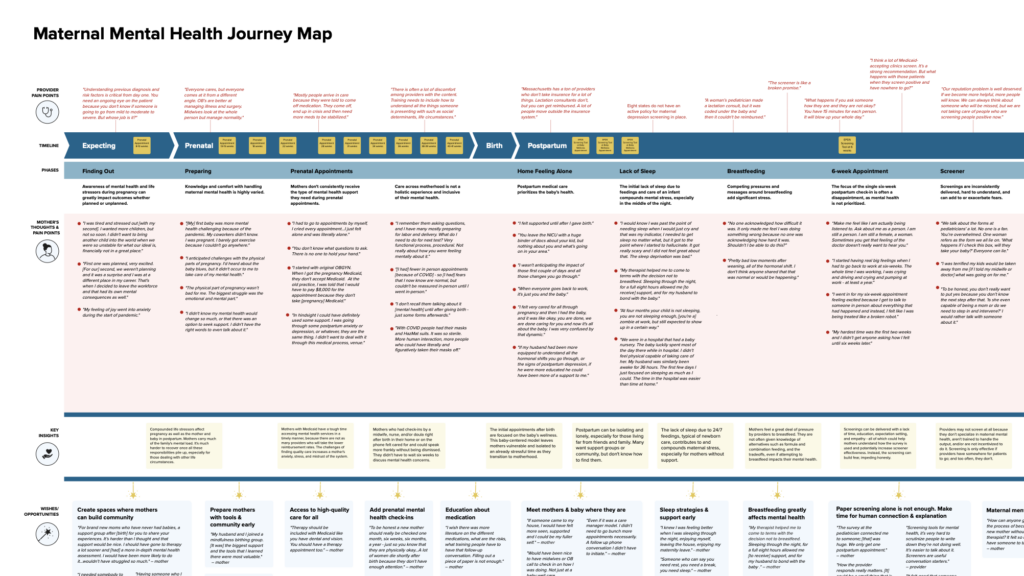
This research visualizes the complex emotional and clinical stages of the maternal mental health experience, from initial pregnancy through postpartum recovery and the return to work.
This factsheet outlines the Administration for Children and Families’ (ACF) 2024 initiatives to promote health equity across its programs by embedding equity into funding, service delivery, and community engagement.
U.S. Department of Health and Human Services (HHS)
This Urban Institute report examines how public investments in children's health, education, and welfare yield significant short- and long-term benefits for both individuals and society.