This report outlines key lessons and recommendations from Code for America's collaboration with the Voluntary Income Tax Assistance program, which served over 800,000 clients via GetYourRefund.org.
Approximately 12 million low-income individuals risk missing out on federal stimulus payments due to non-filing status, prompting the Center on Budget and Policy Priorities (CBPP) to recommend targeted state outreach to connect eligible non-filers with their Economic Impact Payments (EIPs).
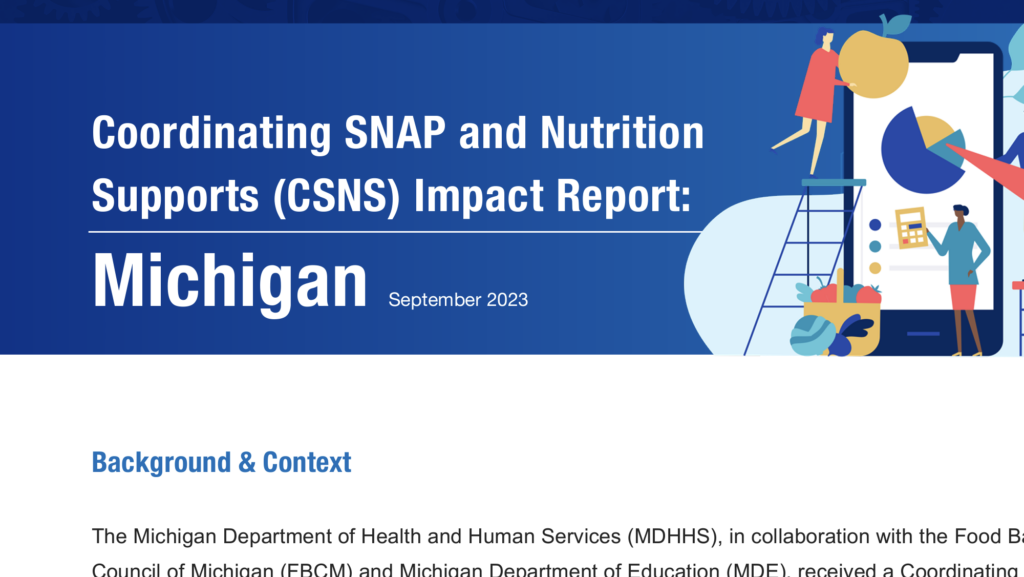
The Michigan Department of Health and Human Services, together with the Food Bank Council of Michigan and the Michigan Department of Education developed a comprehensive Food Insecurity Map and a closed-loop referral system for nutrition and economic supports.
American Public Human Services Association (APHSA)
The OECD AI Principles promote use of AI that is innovative and trustworthy and that respects human rights and democratic values. The principles were adopted in 2019; this webpage provides an overview of the principles and key terms.
Organisation for Economic Co-operation and Development (OECD)
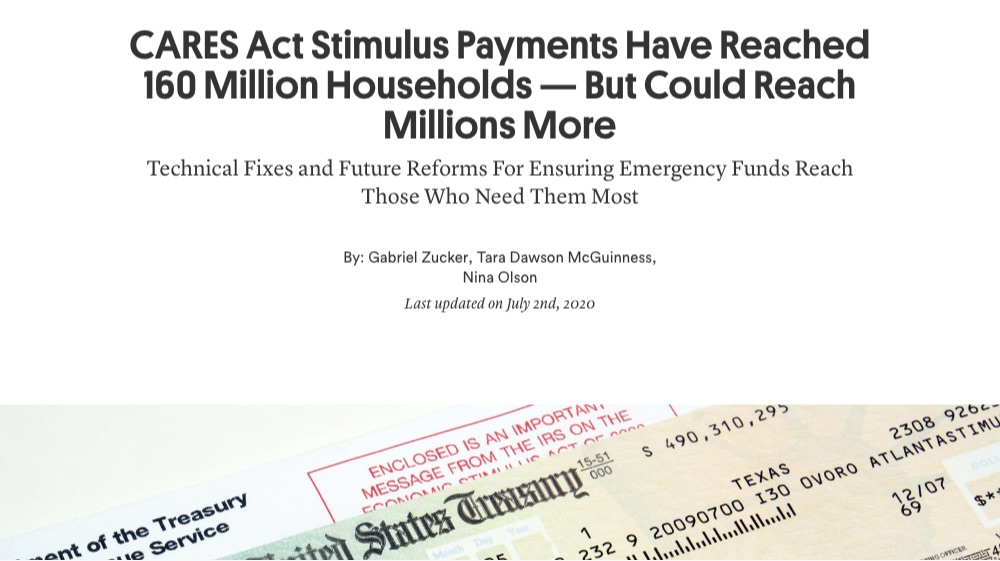
The CARES Act Stimulus Payments Report by New America analyzes the implementation and impact of the Economic Impact Payments (stimulus checks) distributed during the COVID-19 pandemic, highlighting accessibility challenges and policy recommendations for future direct payments.
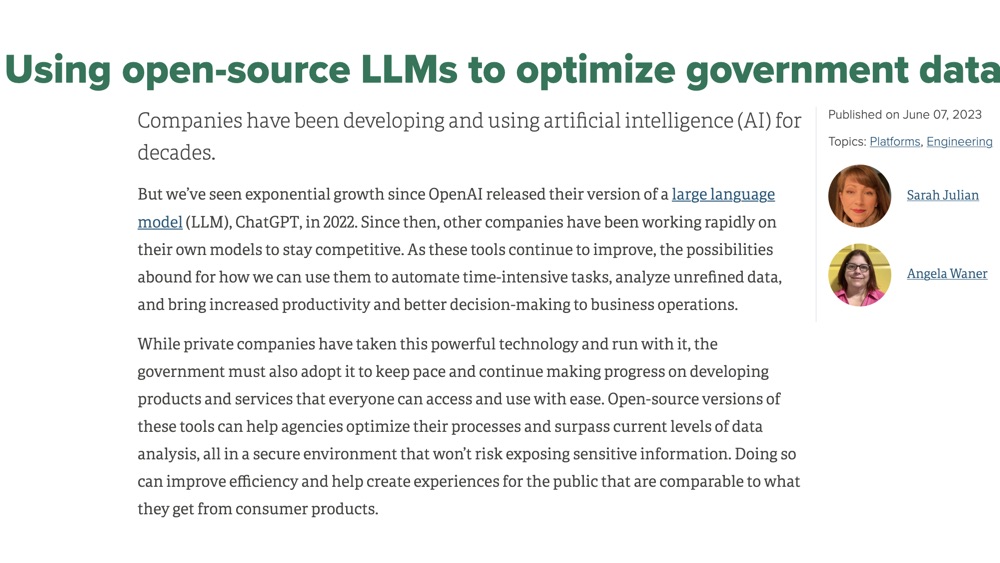
Companies have been developing and using artificial intelligence (AI) for decades. But we've seen exponential growth since OpenAI released their version of a large language model (LLM), ChatGPT, in 2022. Open-source versions of these tools can help agencies optimize their processes and surpass current levels of data analysis, all in a secure environment that won’t risk exposing sensitive information.
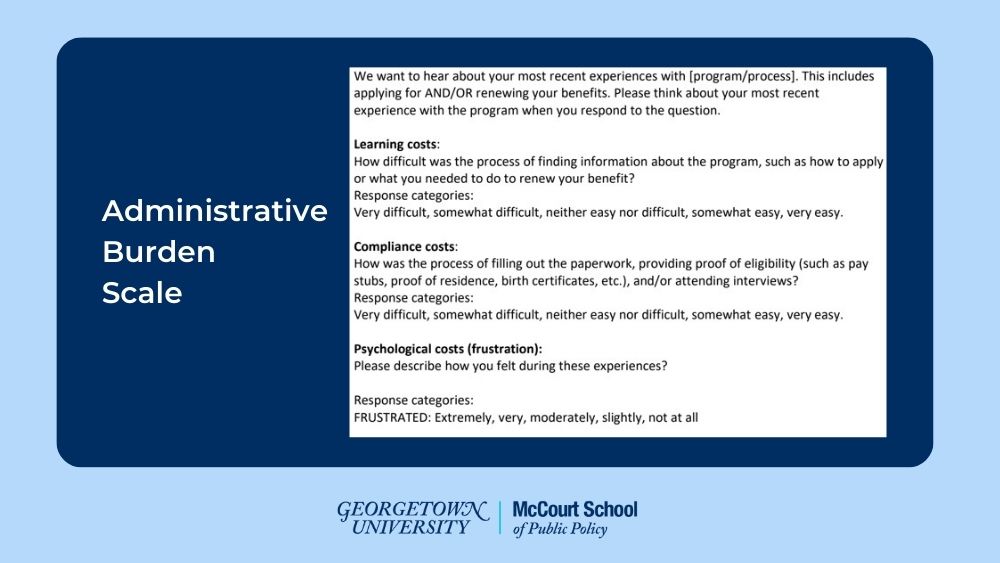
The Better Government Lab at the McCourt School of Public Policy at Georgetown University has developed a new scale for measuring the experience of burden when accessing public benefits. They offer both a three-item scale and a single-item scale, which can be utilized for any public benefit program. The shorter scales provide a less burdensome way to measure by requiring less information from users.
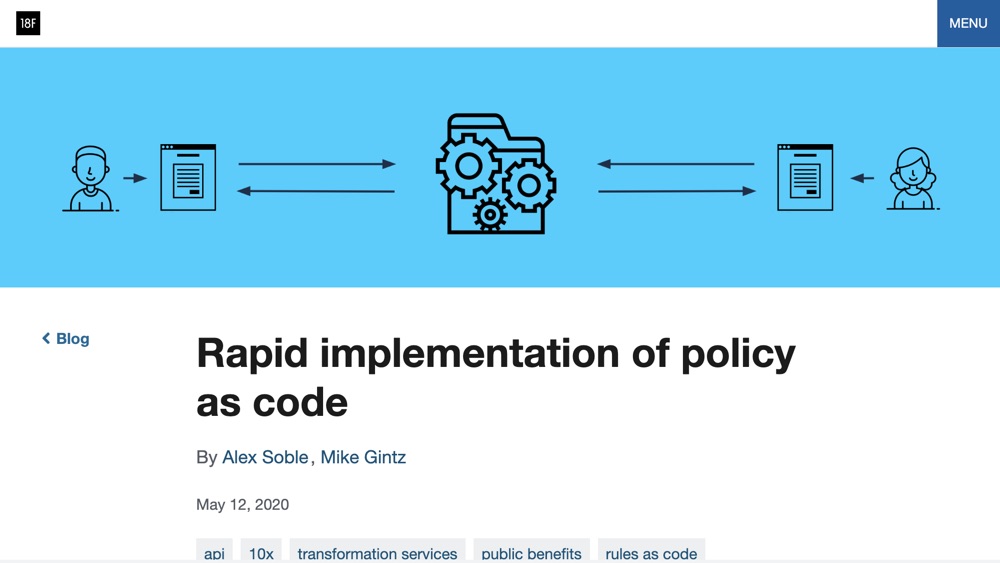
Policy changes are often dynamic and occur quickly, but they can only create impact once implemented. The Eligibility APIs Initiative at 18F shares an example from their work that shows the potential for rapid, accurate policy implementation as code.
These guidelines provide technical requirements for federal agencies implementing digital identity services and are not intended to constrain the development or use of standards outside of this purpose. This guideline focuses on the enrollment and verification of an identity for use in digital authentication.
National Institute of Standards and Technology (NIST)
As a part of Benefit Data Trust (BDT)’s Medicaid Churn Learning Collaborative, BDT has created a memo describing policy options and state examples for Medicaid administrators to reduce churn for non-MAGI Medicaid enrollees when the federal public health emergency ends.
This report discusses the financial resilience strategies families used to manage gaps before benefits arrived, in addition to providing recommendations for how benefits can be better designed in the future to fit the financial lives of lower-income households.