This presentation from Steph White, Cross Enrollment Coordinator at the Michigan Department of Health and Human Services offers an in-depth example on implementing cross enrollment with WIC and general tools for cross enrollment.
The White House Office of Science and Technology Policy has identified five principles that should guide the design, use, and deployment of automated systems to protect the American public in the age of artificial intelligence. These principles help provide guidance whenever automated systems can meaningfully impact the public’s rights, opportunities, or access to critical needs.
What Works Cities helps local governments improve residents’ lives by using data and evidence effectively to tackle pressing challenges. The Certification Assessment helps cities benchmark their progress and develop a roadmap for improvement.
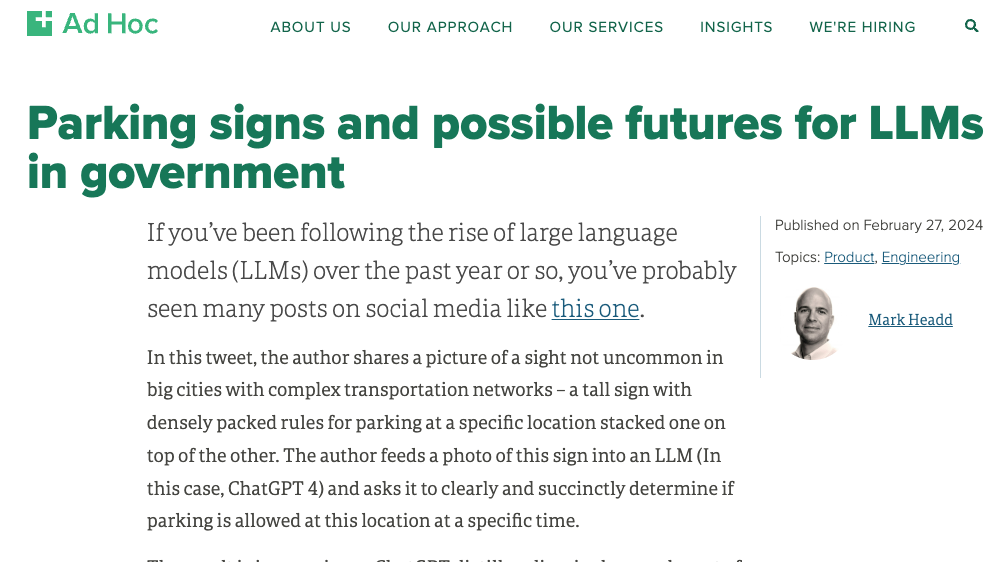
Government agencies adopting generative AI tools seems inevitable at this point. But there is more than one possible future for how agencies use generative AI to simplify complex government information.
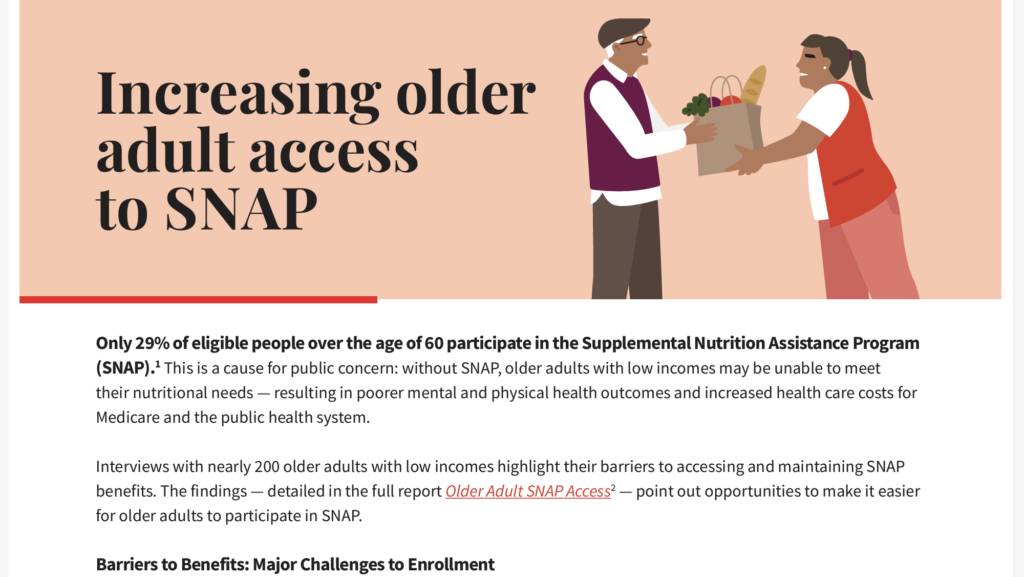
This brief highlights the complex journey that older adults experience when applying for and enrolling in SNAP, including the major barriers and solutions that improve access along the way.
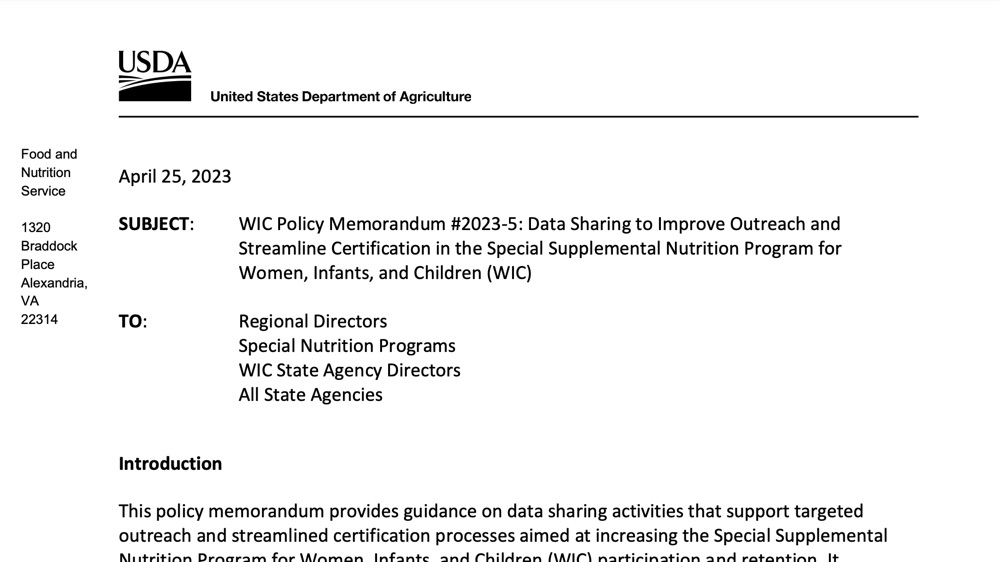
This policy memorandum from the Food and Nutrition Service (FNS) provides guidance on data sharing activities that support targeted outreach and streamlined certification processes aimed at increasing the Special Supplemental Nutrition Program for Women, Infants, and Children (WIC) participation and retention.
In order to create for all, we have to employ processes that authentically engage misrepresented communities. People tend to think of diversity, equity, and inclusion (DEI) efforts in terms of implicit bias workshops, employee resource groups, and hiring processes. These efforts are all important, but it is also necessary to focus on DEI as it relates to the creation of products, services, and content, and use a design-thinking approach to tackle these tricky issues.
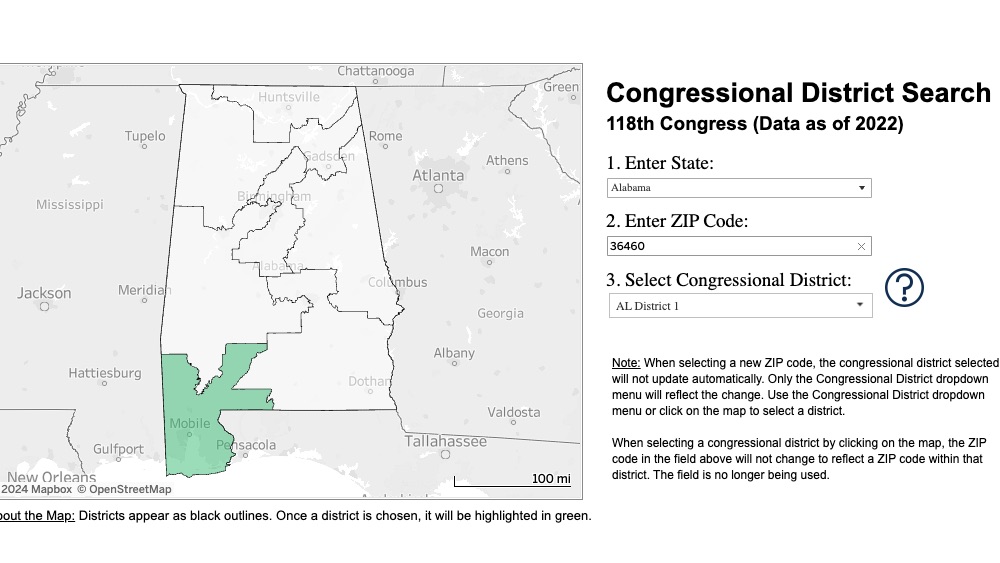
This interactive dashboard allows users to explore Supplemental Nutrition Assistance Program (SNAP) participation and household characteristics by U.S. congressional district using American Community Survey data.
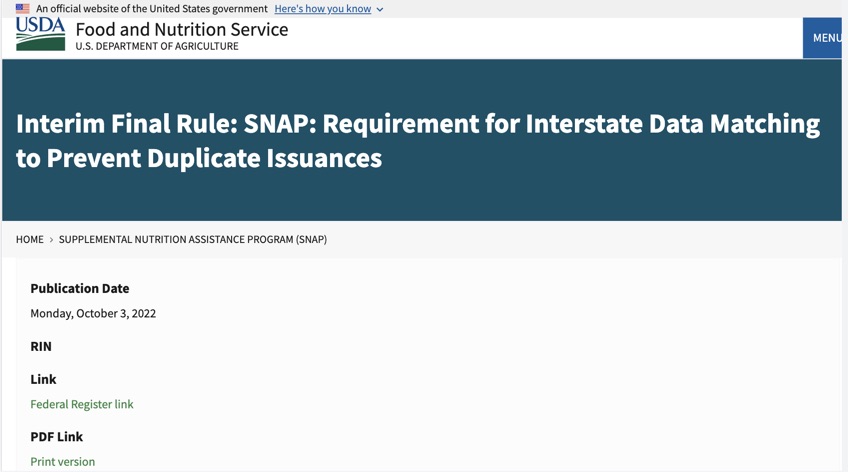
This interim final rule requires SNAP State agencies to provide information to the NAC regarding individuals receiving SNAP benefits in their states in order to ensure they are not already receiving benefits in another state.
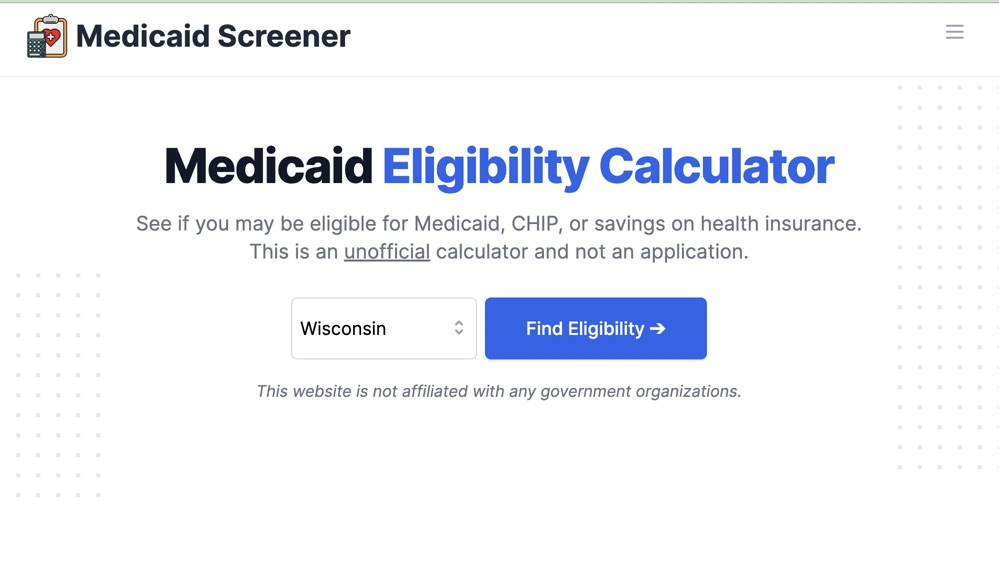
Unofficial calculator allowing users to see if they may be eligible for Medicaid, CHIP, or savings on health insurance. The calculator can be embedded on other websites.