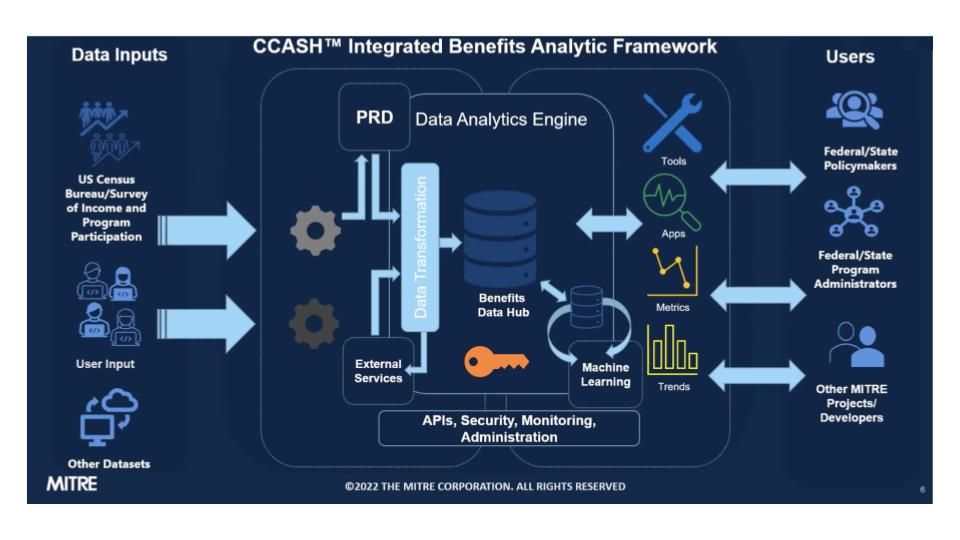
MITRE developed the Comprehensive Careers and Supports for Households (CCASH™) tool to help individuals understand and manage federal benefits and employment services, transitioning from a consumer-focused tool to a policy analytics system. By integrating data from sources like the U.S. Census and the Policy Rules Database, MITRE created a model that allows users to analyze and compare benefits eligibility across states, supporting evidence-based policymaking.
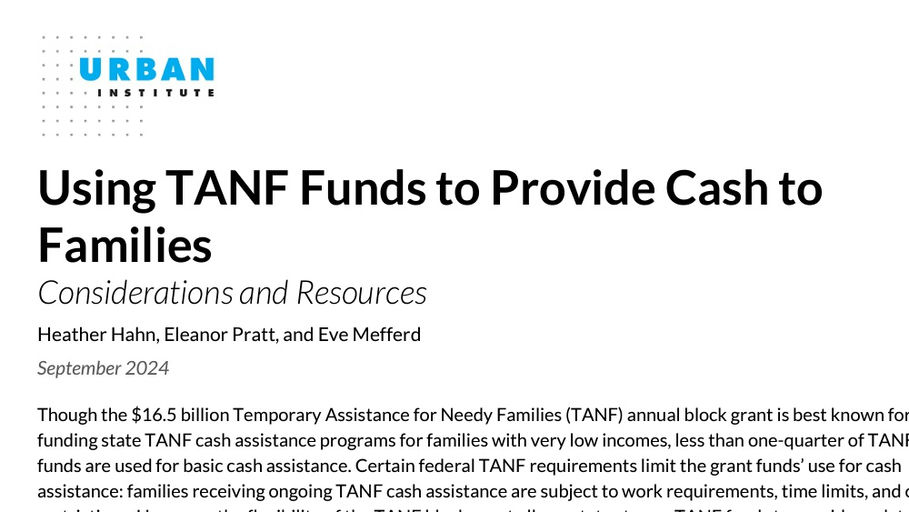
This guide outlines how states can use TANF funds to provide direct cash assistance to families, particularly through flexible mechanisms like nonrecurrent short-term benefits (NRSTs).
The team introduced an AI assistant for benefits navigators to streamline the process and improve outcomes by quickly assessing client eligibility for benefits programs.
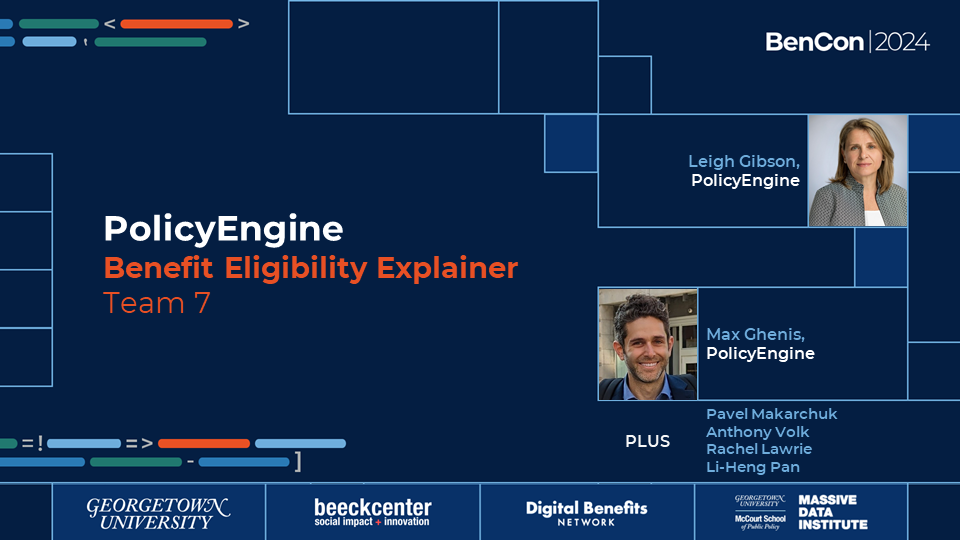
The team developed an AI-powered explanation feature that effectively translates complex, multi-program policy calculations into clear and accessible explanations, enabling users to explore "what-if" scenarios and understand key factors influencing benefit amounts and eligibility thresholds.
This case study documents how Civilla partnered with the Michigan Department of Health and Human Services (MDHHS) to redesign and modernize online enrollment for the state’s largest benefit programs.
This report examines Georgia’s Medicaid demonstration testing work requirements—the only such active program in the nation—and provides detailed findings on administrative costs, implementation challenges, and federal oversight weaknesses.
This overview introduces direct cash transfers (DCTs) in the United States, outlining their history, major programs, and findings from contemporary guaranteed income demonstrations that show how cash supports improve family stability, health, and economic mobility
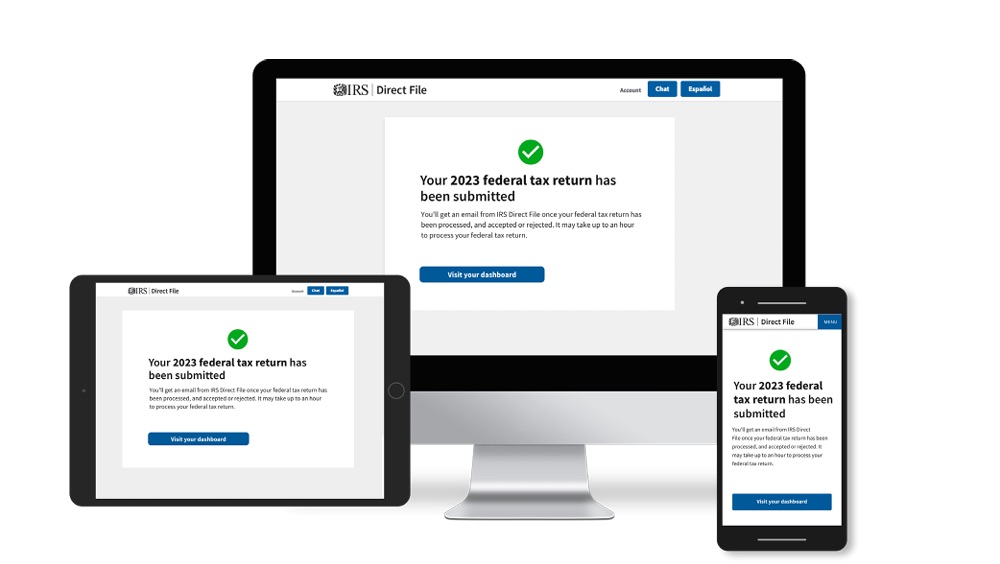
The IRS Direct File Pilot Program After Action Report evaluates the 2024 pilot of a free, government-run tax filing system, assessing taxpayer participation, user experience, and potential for future expansion.
In this panel conversation from Better Identity Coalition’s 2022 policy forum “Identity, Authentication, and the Road Ahead” presenters from the General Services Administration, the Transportation Security Administration, the Consumer First Coalition, and the congressional branch, discuss government’s role in digital identity.