The Atlanta Fed’s CLIFF tools provide greater transparency to workers about potential public assistance losses when their earnings increase. We find three broad themes in organization-level implementation of the CLIFF tools: identifying the tar- get population of users; integrating the tool into existing operations; and integrating the tool into coaching sessions.
This report analyzes lawsuits that have been filed within the past 10 years arising from the use of algorithm-driven systems to assess people’s eligibility for, or the distribution of, public benefits. It identifies key insights from the various cases into what went wrong and analyzes the legal arguments that plaintiffs have used to challenge those systems in court.
This report recommends updating the methodology used by the Census Bureau to calculate the Supplemental Poverty Measure (SPM) to reflect household basic needs and replace the current Official Poverty Measure as the primary statistical measure of poverty. The report assesses the strengths and weaknesses of the SPM and provides recommendations for updating its methodology and expanding its use in recognition of the needs of most American families such as medical care, childcare, and housing costs.
National Academies of Sciences, Engineering, and Medicine
Accounting for the strong effects of health care access, this study finds that SNAP is associated with reduced hospitalization in dually eligible older adults. Policies to increase SNAP participation and benefit amounts in eligible older adults may reduce hospitalizations and health care costs for older dual eligible adults living in the community.
CMS has identified a number of immediate and longer-term strategies that states can implement to improve application processing timeframes and address application backlogs.
What Works Cities helps local governments improve residents’ lives by using data and evidence effectively to tackle pressing challenges. The Certification Assessment helps cities benchmark their progress and develop a roadmap for improvement.
This guide highlights approachable ideas for state and local public benefits agencies to improve applications, renewals, and correspondence. As outlined in this resource, even small improvements can be transformative for residents and caseworkers alike.
A primer by New America for government entities thinking about embracing open-source solutions. This report is based on interviews with experts in the field, the organization’s work on piloting open source projects with partners around the world, and a review of nearly 50 reports, documents, and resources on the creation and usage of open source software.
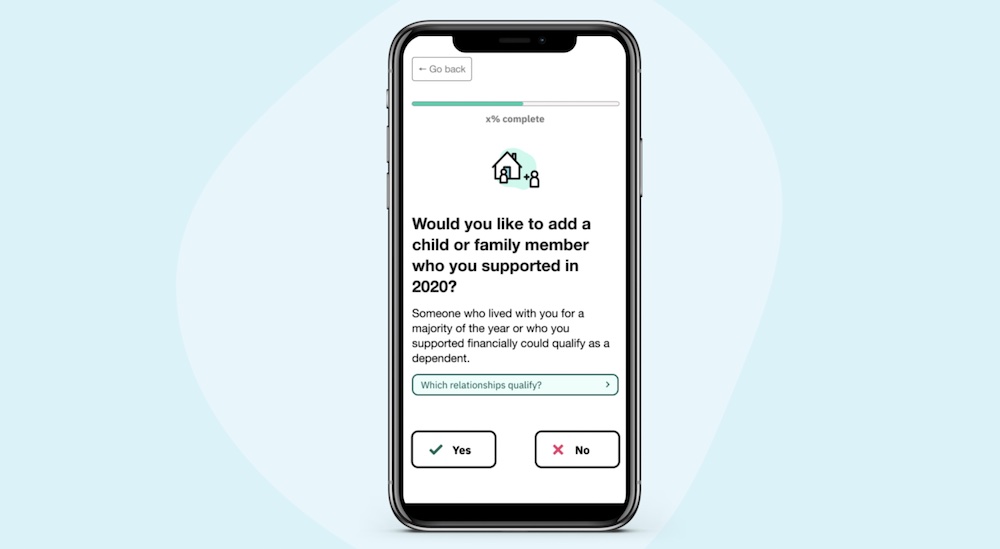
Code for America's GetCTC portal simplifies access to the Child Tax Credit for low-income families by providing a mobile-friendly, bilingual platform for streamlined tax filing.