This study examines how bureaucratic interactions differ among public assistance programs—WIC, SNAP, and Medicaid—highlighting variations in participant experiences and the psychological costs associated with each.
This research brief explores the different philosophies and implementation methods of modular procurement, including the advantages and disadvantages of each method, and the cultural and structural changes a procurement office should consider when making the switch to modular procurement.
National Association of State Procurement Officials (NASPO)
This post argues that for the types of large-scale, organized fraud attacks that many state benefits systems saw during the pandemic, solutions grounded in cybersecurity methods may be far more effective than creating or adopting automated systems.
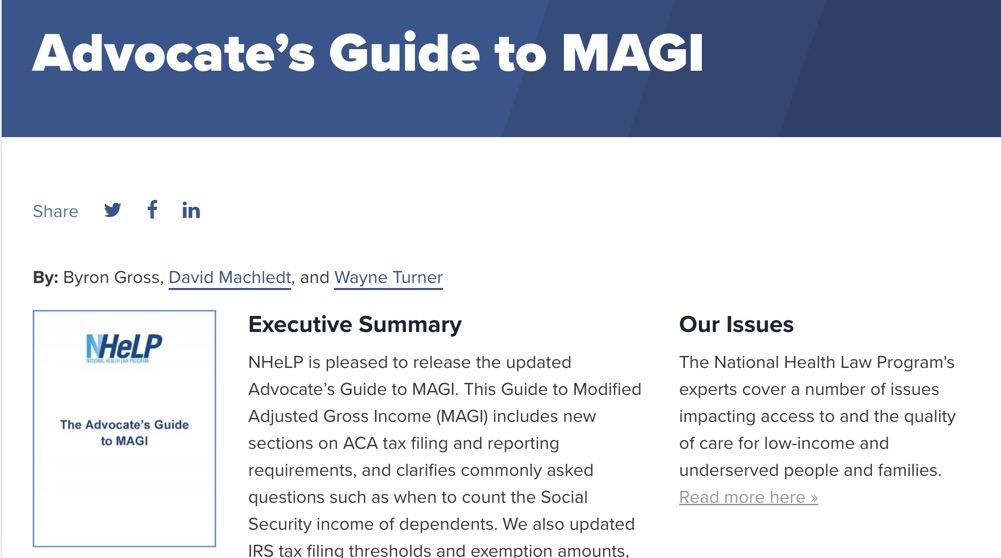
The National Health Law Program released an updated Guide to Modified Adjusted Gross Income, including sections on ACA tax filing and reporting, clarification on commonly asked questions about Social Security Income, and updated IRS tax filing thresholds.
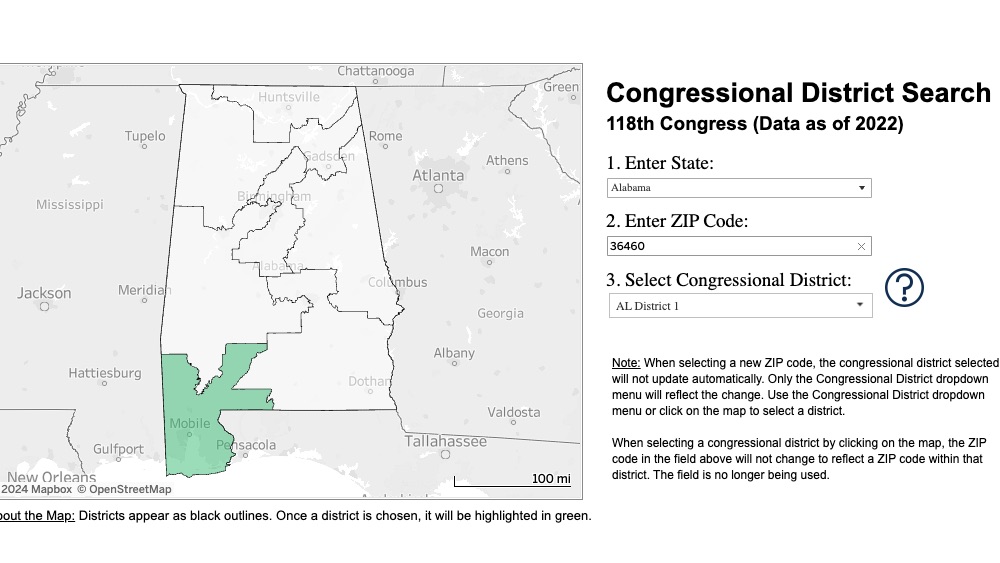
This interactive dashboard allows users to explore Supplemental Nutrition Assistance Program (SNAP) participation and household characteristics by U.S. congressional district using American Community Survey data.
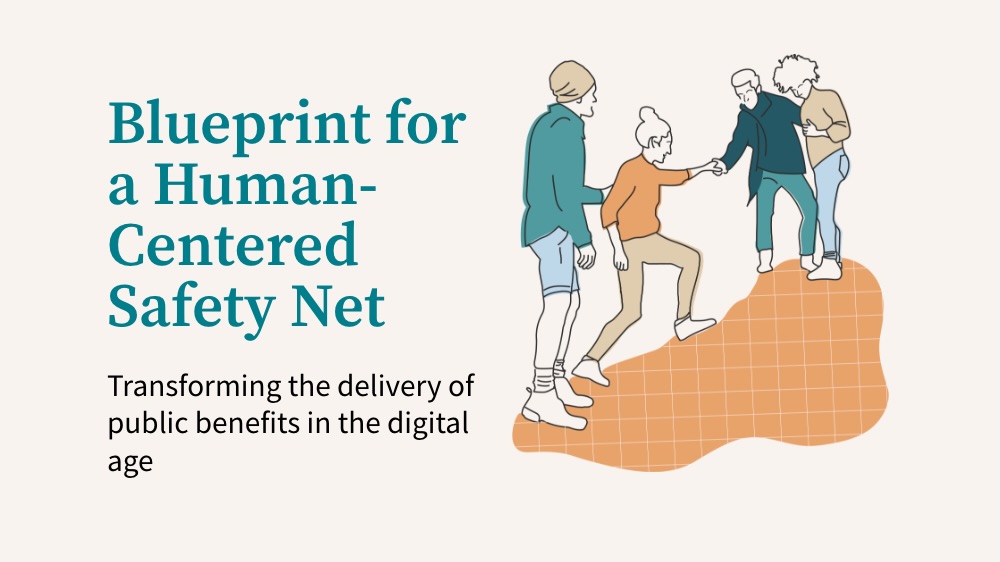
Describes the Principles of a Human-Centered Safety Net: Many Welcoming Doors, Easy to Understand, Clients Can Make Informed Decisions, Responsive to Changing Needs, Simple Actions
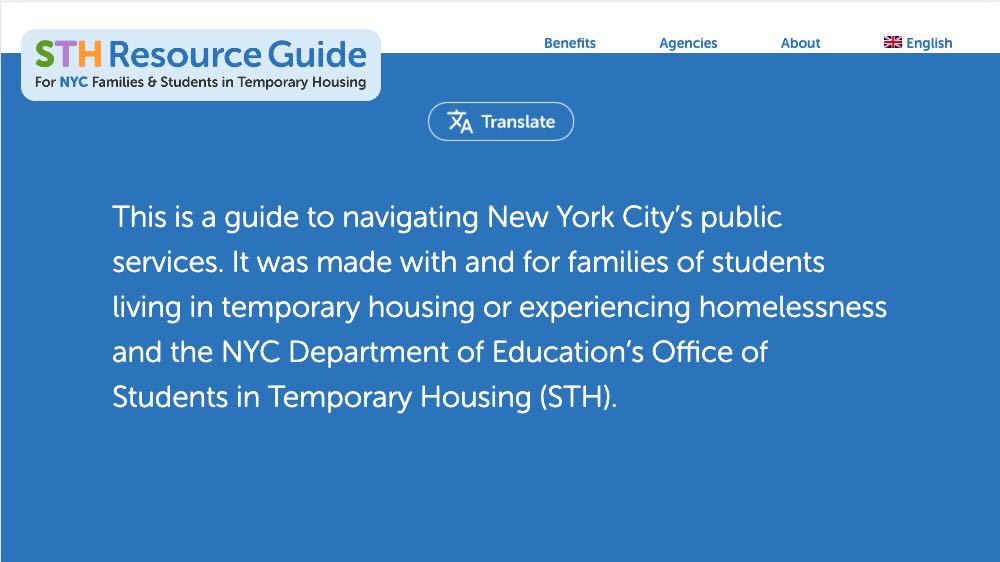
A guide to navigating New York City’s public services. It was made with and for families of students living in temporary housing or experiencing homelessness and the NYC Department of Education’s Office of Students in Temporary Housing (STH).
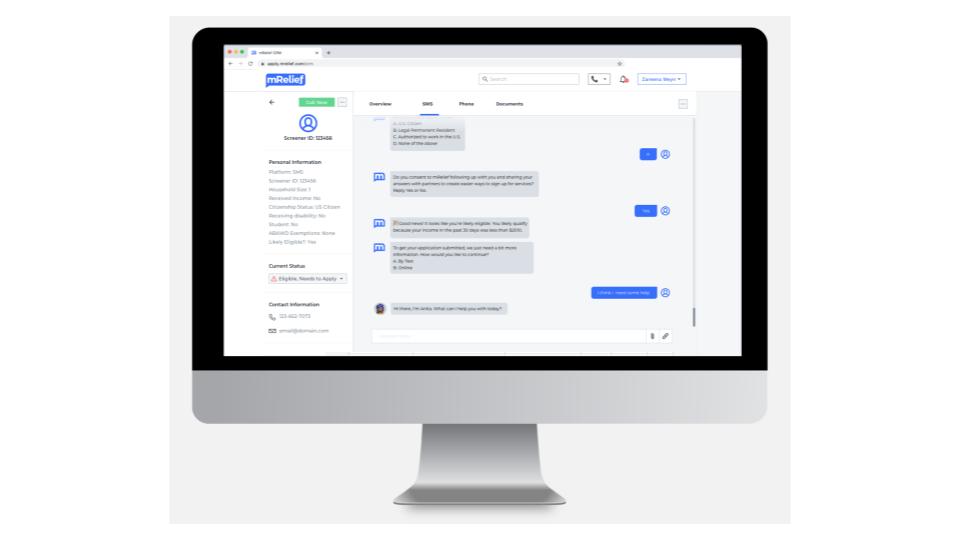
mRelief launches Johnnie, a platform that centers client dignity and enables client management from anywhere. Features include client communication mechanisms, assistance for document submission, keeping track of enrollment process, and tracking enrollment metrics.
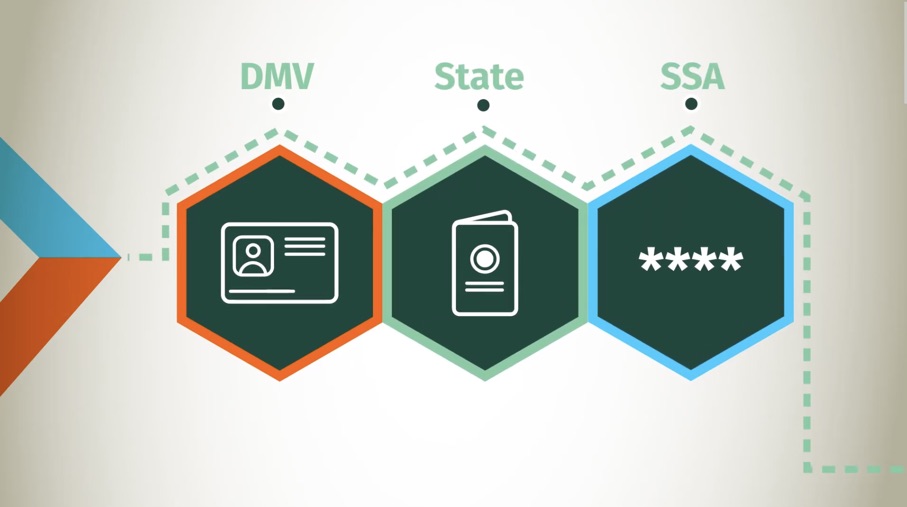
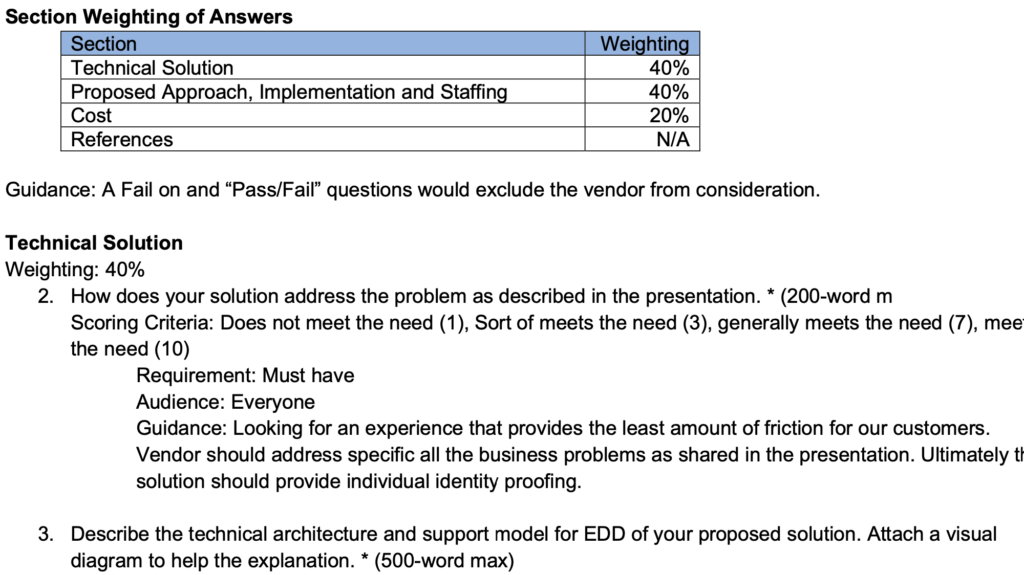
As a next step in Iowa's modernization effort, the MEME project released a video describing Iowa's proposed approach and next steps for the purpose of engaging with vendors. The video linked here provides additional information on the project's learnings so far.