Less than 10% of applications for VA health care are submitted digitally. This article describes how the U.S. Digital Service partnered with the Health Eligibility Center to change that, making it possible for anyone with an internet connection to apply anytime, anywhere, from any device.
This report evaluates state government websites for the Supplemental Nutrition Assistance Program (SNAP), providing links to each state's site and assessing the information and services they offer.
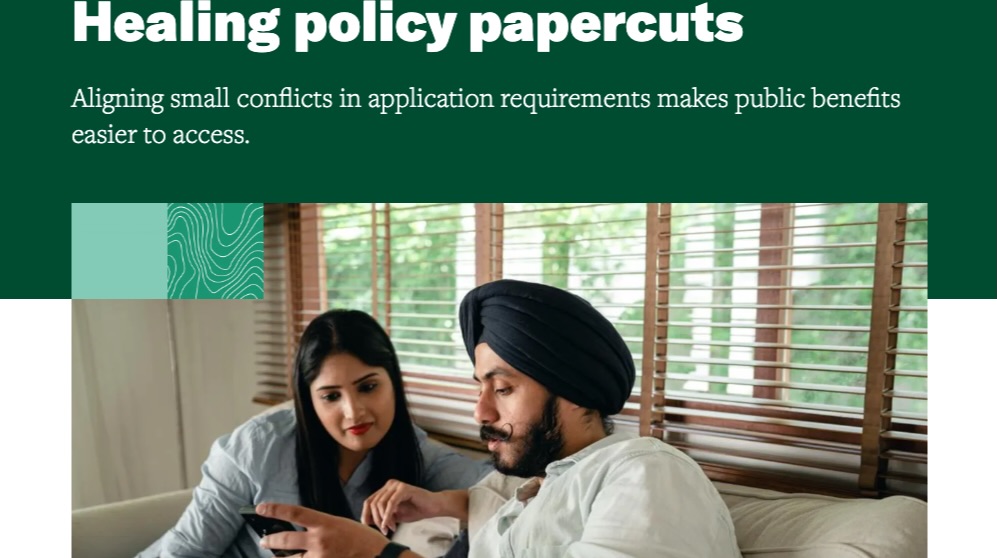
Differing federal requirements for public benefit applications create significant barriers for applicants and complicate state efforts to integrate services.
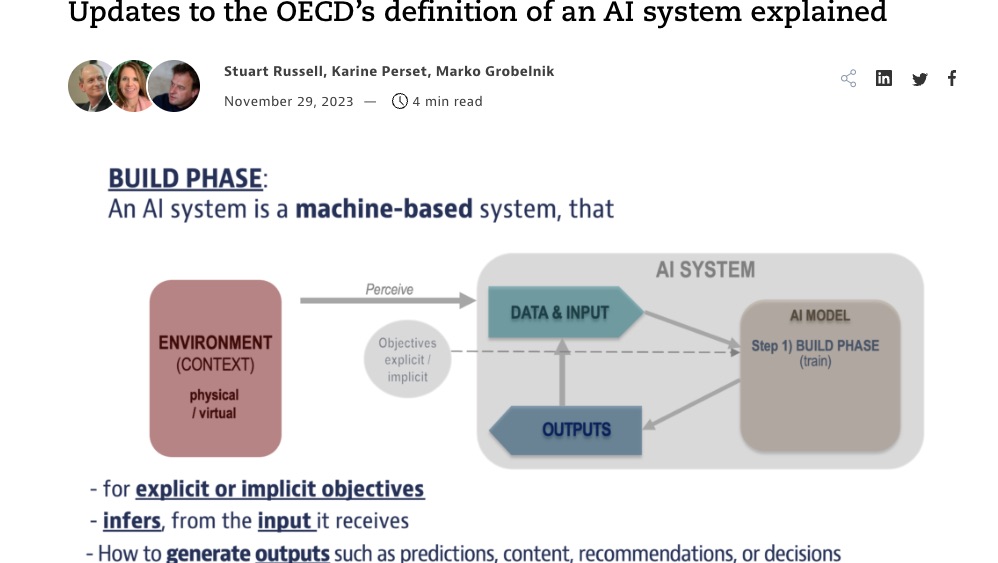
In 2023, OECD member countries approved a revised version of the Organisation’s definition of an AI system. This post explains the reasoning behind the updated definition.
Organisation for Economic Co-operation and Development (OECD)
Blog post authored by U.S. Digital Response discussing best practices for creating inclusive, accessible, and affirming government services for LGBTQ+ populations gleaned from their recent work in the City of Boston.
This article discusses the various benefits of publicly-funded open-source software. These benefits include fairness and transparency, economic stimulus, and support of the Federal Source Code Policy Agenda.
A modification of Bolder Advocacy’s ACT!Quick capacity self-assessment tool to incorporate additional equity-centered capacities, engage community authentically, and conduct research in culturally responsive ways.
This article examines how applying a Racial Equity Framework reveals systemic inequities in the Earned Income Tax Credit (EITC) program, offering insights into barriers faced by marginalized communities and potential solutions.
Using low-code/no-code tools successfully requires knowing how to pick the right tool and knowing the kind of challenges that merit calling in a technical team for consultation and advice.
Article announcing five new projects by the Office of Management and Budget that will improve experiences the public has with the government during significant movements in their lives. These “life experience” projects are at the center of a new model for how the Federal Government should better design and deliver benefits, services, and programs to the American people during the moments in their lives that matter most.