A case study documenting how a modular API layer was built to support a state-level paid family and medical leave program, improving interoperability, scalability, and user experience.
This annotated bibliography compiles key resources on data linkage and integration for research and statistical purposes, focusing on best practices, governance, and technical considerations.
This one-pager introduces Iowa Child Care Connect (C3), a centralized data system that integrates near-real-time child care data to support families, providers, policymakers, and economic development efforts across the state.
This report outlines state Medicaid program priorities, including expanding access to services, addressing health disparities, and implementing cost-containment measures amid post-pandemic uncertainties.
There were over 25 million Medicaid disenrollments in 2023, but national enrollment remained significantly above pre-pandemic levels at over 56 million, with notable state-level variations and near-recovery of child enrollment.
Through the interviews, ULP sought to capture details of claimant experience, see how and why system failures occurred, and make recommendations for reform now—before another financial or public health crisis suddenly causes state unemployment rates to spike.
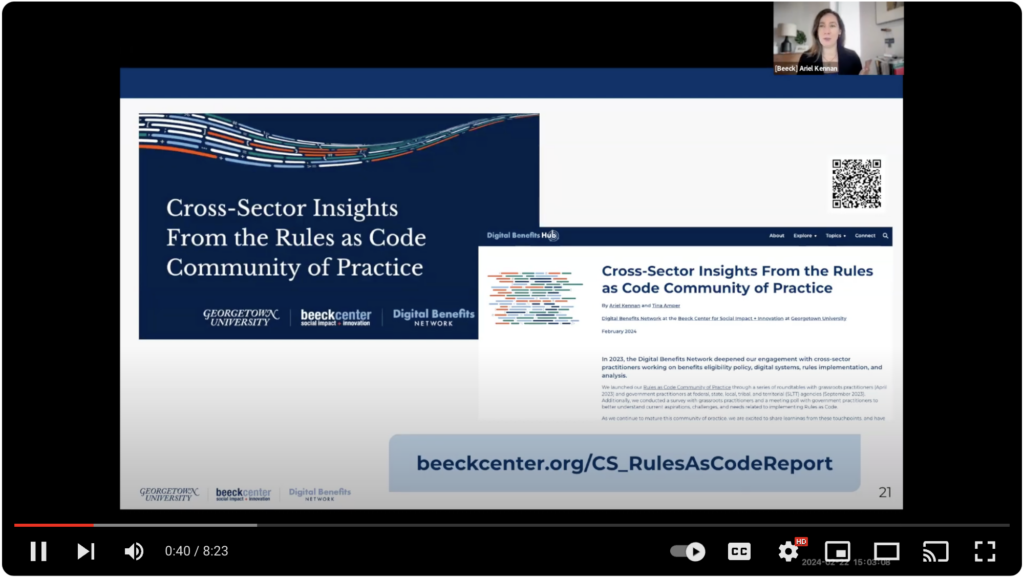
This report highlights key findings from the Rules as Code Community of Practice, including practitioners' challenges with complex policies, their desire to share knowledge and resources, the need for increased training and support, and a collective interest in developing open standards and a shared code library.
This brief describes TDI’s efforts to transform federal TANF and employment data into an integrated resource for program management and evidence building.
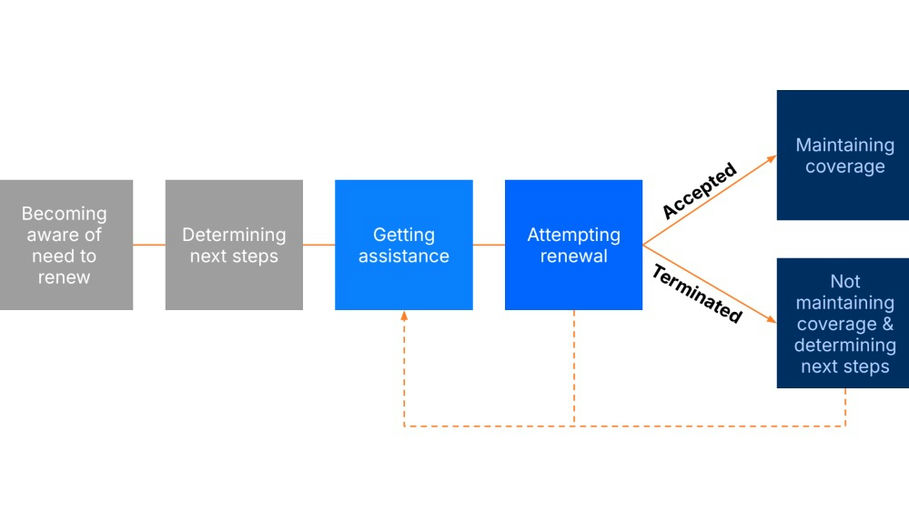
Based on user interviews with families across the United States who navigated the Medicaid renewal process, this report offers insights and recommendations for improving the experience of renewing Medicaid and other benefits.