The AI RMF Playbook offers organizations detailed, voluntary guidance for implementing the NIST AI Risk Management Framework to map, measure, manage, and govern AI risks effectively.
National Institute of Standards and Technology (NIST)
This profile provides a cross-sectoral profile of the AI Risk Management Framework specifically for Generative AI (GAI), outlining risks unique to or exacerbated by GAI and offering detailed guidance for organizations to govern, map, measure, and manage those risks responsibly.
National Institute of Standards and Technology (NIST)
This report examines how governments use AI systems to allocate public resources and provides recommendations to ensure these tools promote equity, transparency, and fairness.
This guide outlines key strategies, definitions, and procedures for improving SNAP payment accuracy and reducing quality control (QC) error rates across states.
This report outlines best practices for developing transparent, accessible, and standardized public sector AI use case inventories across federal, state, and local governments
An impact report summarizing how a small public-sector innovation team tested, built, and piloted shared digital services to reduce administrative burden in public benefits delivery.
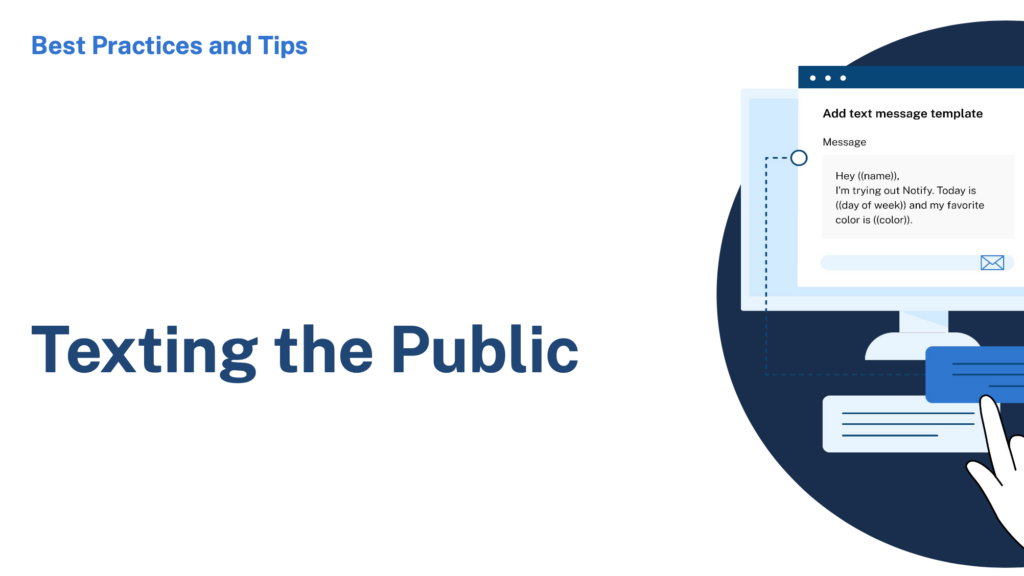
A practical guide for government teams on how to design, test, and run effective public text message campaigns for benefits and service communications.
A case study documenting how a modular API layer was built to support a state-level paid family and medical leave program, improving interoperability, scalability, and user experience.
This is a monorepo managing the web components of the Government of Canada's Design System, facilitating the creation of consistent and accessible digital services.
This executive order establishes a statewide effort to enhance accessibility by requiring all state agencies to use clear, concise, and easily understandable language in written communications.
A recap of the two-day conference focused on charting the course to excellence in digital benefits delivery hosted at Georgetown University and online.
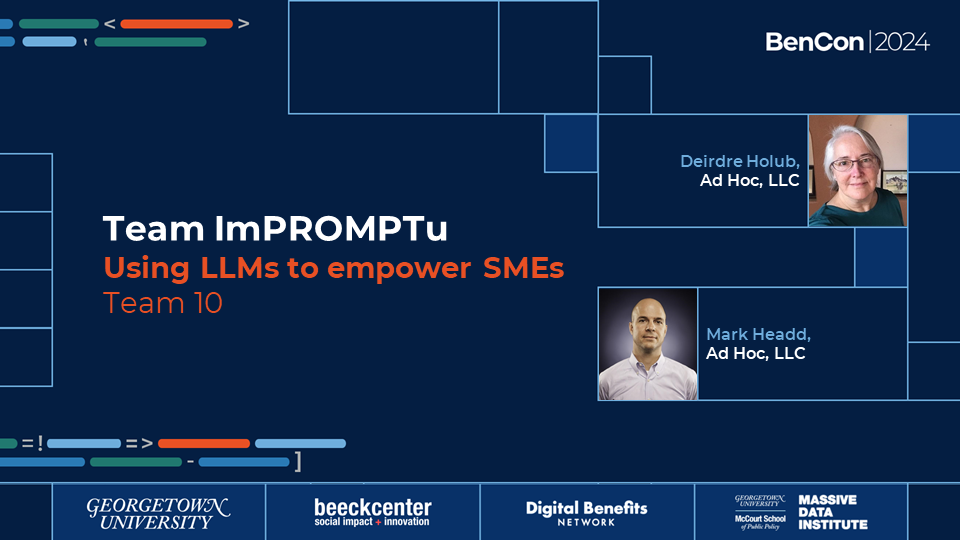
The team developed an application to simplify Medicaid and CHIP applications through LLM APIs while addressing limitations such as hallucinations and outdated information by implementing a selective input process for clean and current data.