This session from FormFest 2024 featured the work in Austin, Texas on criminal justice forms, and the South Bend, Indiana Animal Resource Center’s efforts to redevelop their animal adoption forms.
The story of Andrew Petrisin and the FLOW system demonstrates how the U.S. DOT successfully overcame barriers in government tech by building a collaborative, user-centered logistics platform that provided value to stakeholders during the 2021 supply chain crisis.
This section of the Building Resilience plan outlines strategies to help states modernize outdated unemployment insurance (UI) IT systems, making them more modular, secure, fraud-resistant, and user-centered.
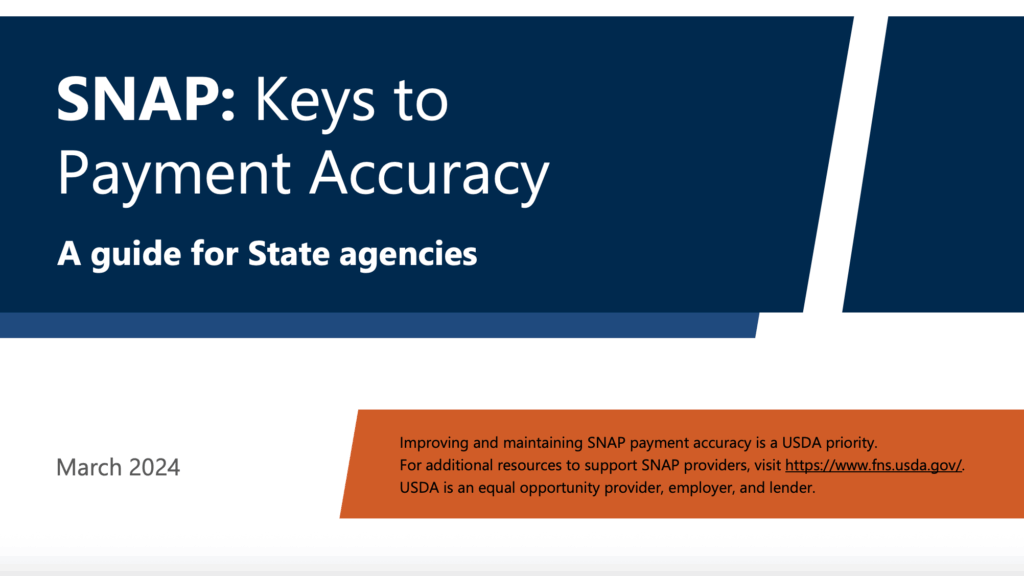
This guide outlines key strategies, definitions, and procedures for improving SNAP payment accuracy and reducing quality control (QC) error rates across states.
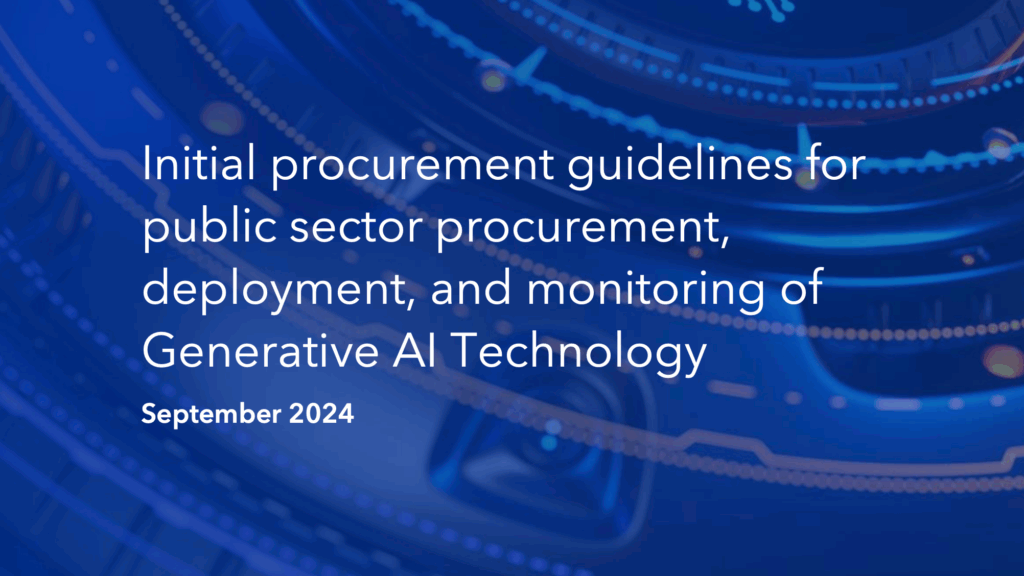
Guidance from Washington Technology Solutions (WaTech) outlining the state’s framework for responsibly procuring, deploying, and monitoring generative AI technologies across government agencies.
The Seattle.gov website's new Assistance and Discounts page centralizes information on city benefits and services, offering a user-friendly and consistent experience across 7,000 pages.
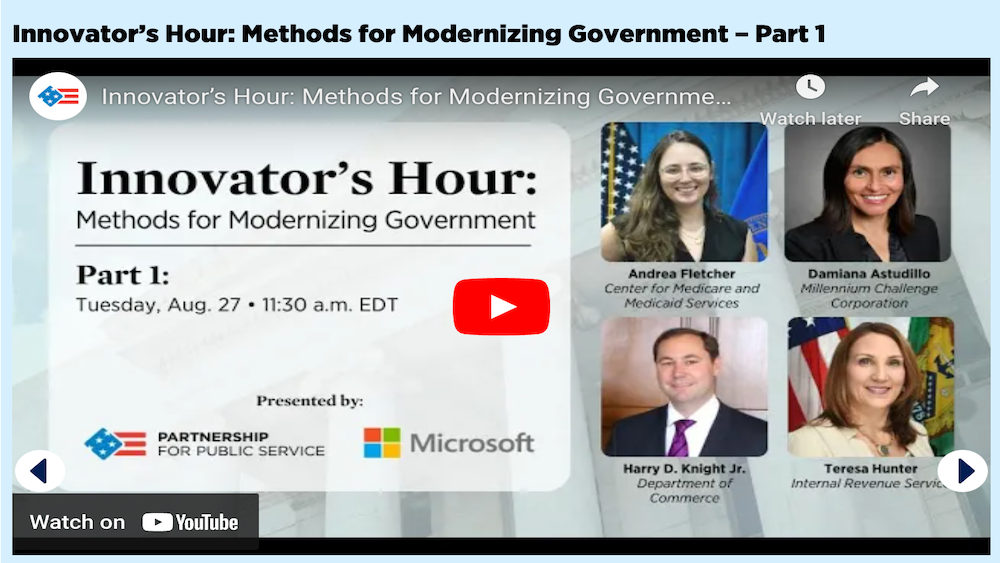
The Modern Government Leaders program brought together federal executive innovators to share best practices and drive service delivery and process modernization.
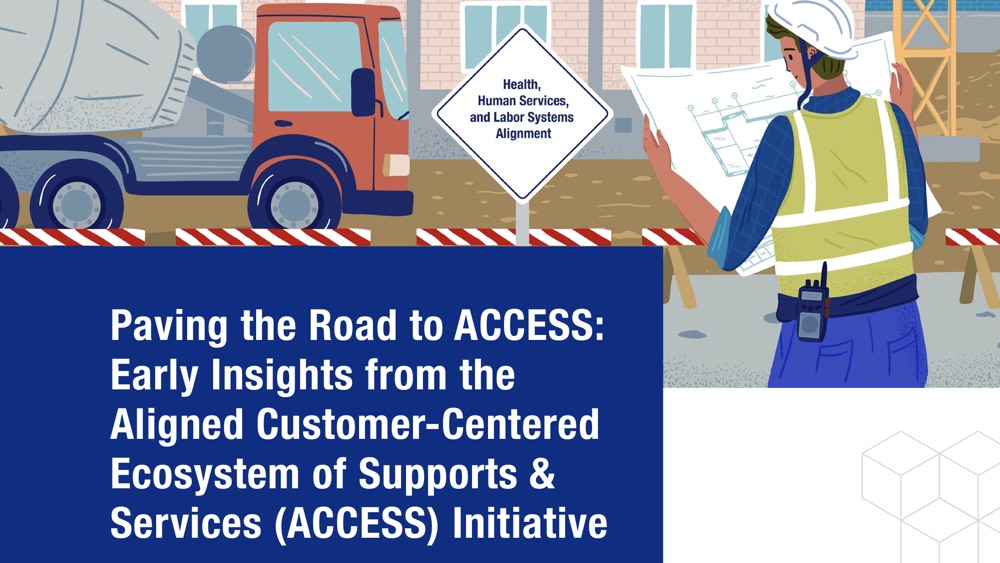
Through the ACCESS project, key collaborators have shared insights into current and future opportunities for alignment within their agencies, including potential enablers for and barriers to alignment activities.
American Public Human Services Association (APHSA)
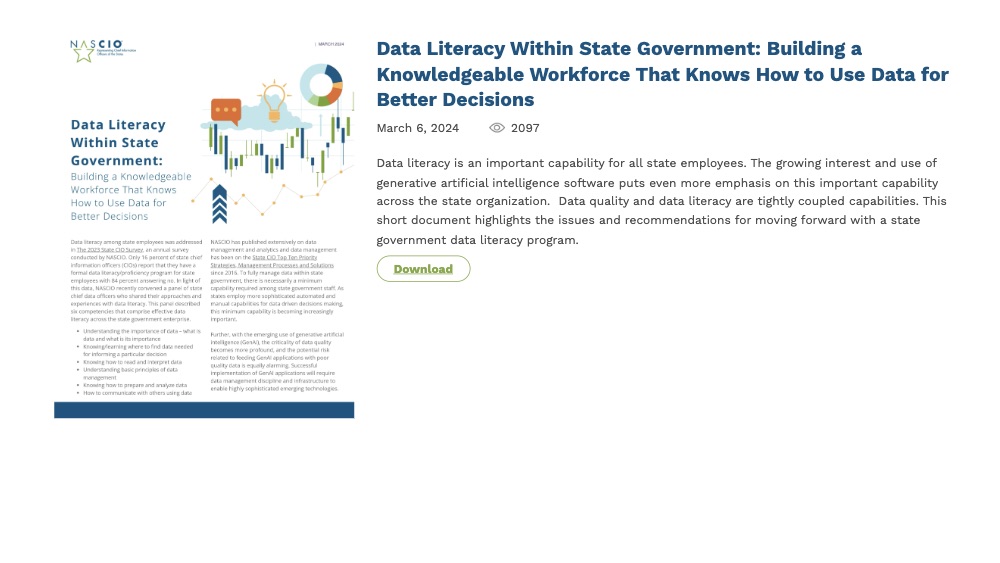
The National Association of State Chief Information Officers (NASCIO) convened a panel of state chief data officers who shared their approaches and experiences with data literacy. The panel provides recommendations for establishing a state-level data literacy program, ensuring that employees understand how to use data effectively for better decision-making.
National Association of State Chief Information Officers (NASCIO)