A statewide framework defining six core digital skills standards to equip North Carolina residents with the competencies needed to participate safely, confidently, and effectively in an increasingly digital world.
North Carolina Department of Information Technology (NCDIT)
A strategy outlining a new, outcome-driven, slice-based approach to modernizing Medicaid Enterprise Systems, prioritizing experimentation, measurable outcomes, and cultural transformation over traditional large-scale system replacements.
A case study explaining how a predictive, data-driven machine-learning model was developed to detect unauthorized cash benefit withdrawals more quickly and accurately in California.
Michigan's UIA director, Julia Dale, is leading the agency through transition by prioritizing lived experience, hope, grit, and values. Virginia's SNAP Program Manager, Michele Thomas, highlighted the success of Sun Bucks, a summer EBT child nutrition program that fed over 700,000 kids in its first year.
Michigan's UIA director, Julia Dale, is leading the agency through transition by prioritizing lived experience, hope, grit, and values. Virginia's SNAP Program Manager, Michele Thomas, highlighted the success of Sun Bucks, a summer EBT child nutrition program that fed over 700,000 kids in its first year.
This Playbook is produced by the New Jersey State Office of Innovation’s to help government resources better connect their audiences and constituents to their programs.
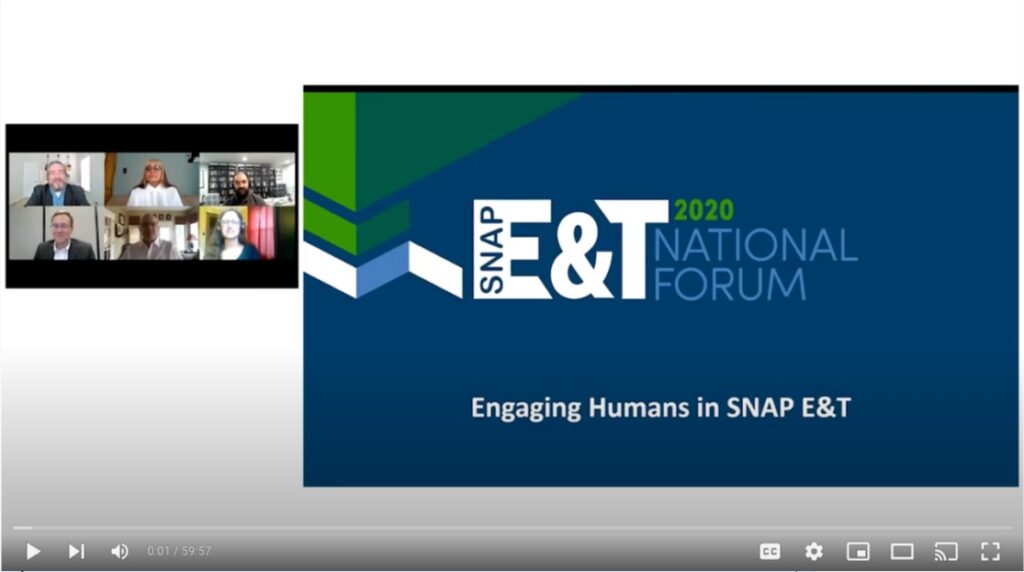
This webinar provides insight on behavioral science concepts and how states can put such ideas into practice to tailor engagement, messaging, and independence planning, as well as promote participation in SNAP E&T programs.