CalAcademy is California’s public sector innovation training program, equipping state employees with modern skills like human-centered design, data analytics, and a product mindset to enhance government services.
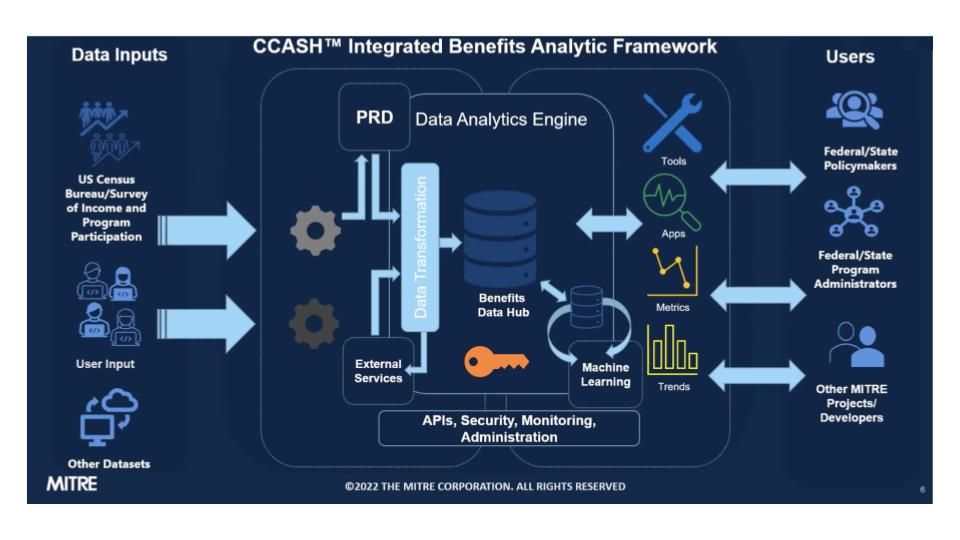
MITRE developed the Comprehensive Careers and Supports for Households (CCASH™) tool to help individuals understand and manage federal benefits and employment services, transitioning from a consumer-focused tool to a policy analytics system. By integrating data from sources like the U.S. Census and the Policy Rules Database, MITRE created a model that allows users to analyze and compare benefits eligibility across states, supporting evidence-based policymaking.
Louisiana issued an RFI to identify solutions that can provide a technology platform for determining eligibility and managing cases across multiple human services programs.
This guidance document provides a framework for developing an agency-wide data strategy that aligns data governance, management, and analytics with organizational goals and service delivery.
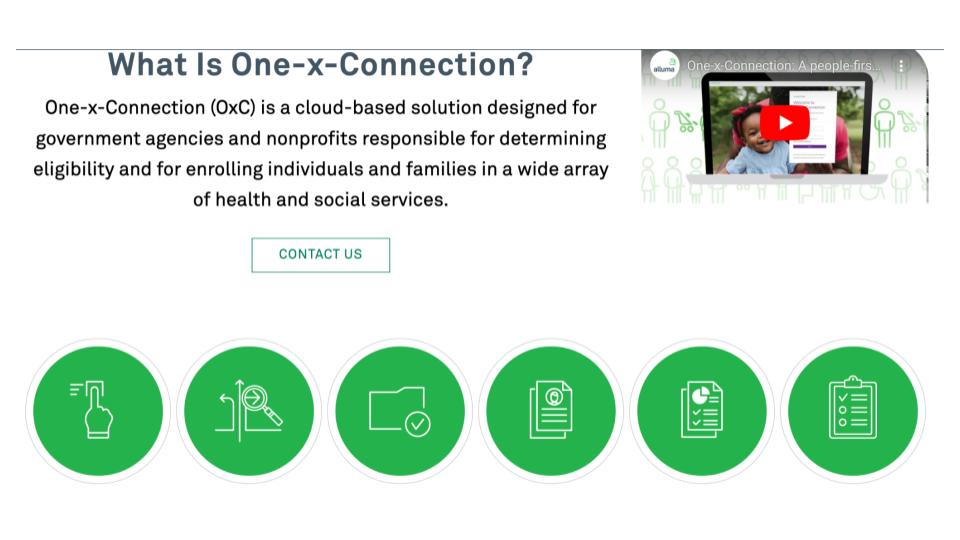
Alluma is a nonprofit that provides digital solutions to simplify eligibility screening and enrollment for social benefit programs, supporting cross-benefit access in 45 counties and two states. Their One-x-Connection product suite streamlines Medicaid and SNAP applications using a business rules engine, with a focus on human-centered design and anonymous, simplified eligibility checks, having helped screen over 10 million individuals and submitted over 67 million applications.
A presentation outlining Colorado’s implementation of mobile driver’s licenses (mDLs), explaining the technology standards, privacy protections, adoption landscape, and verification tools for businesses and agencies.
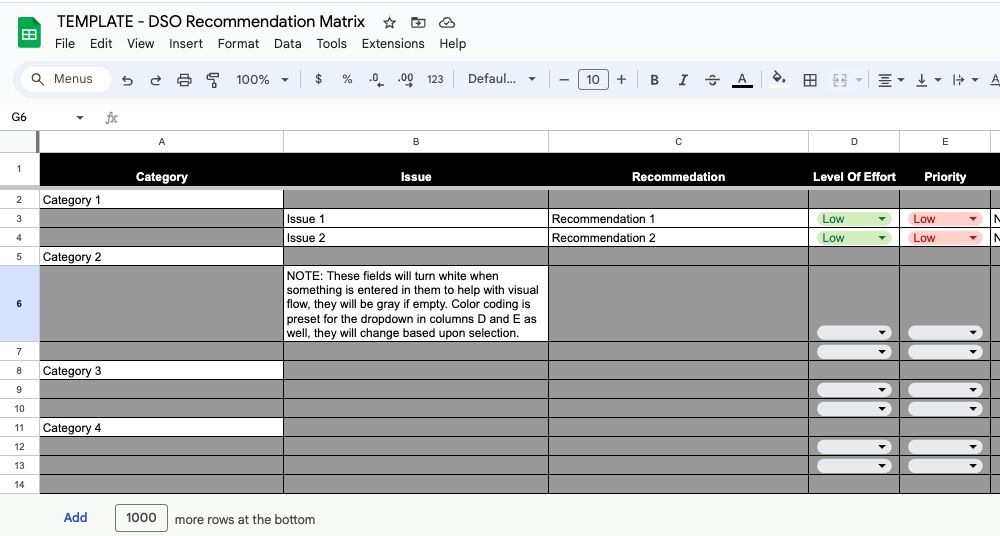
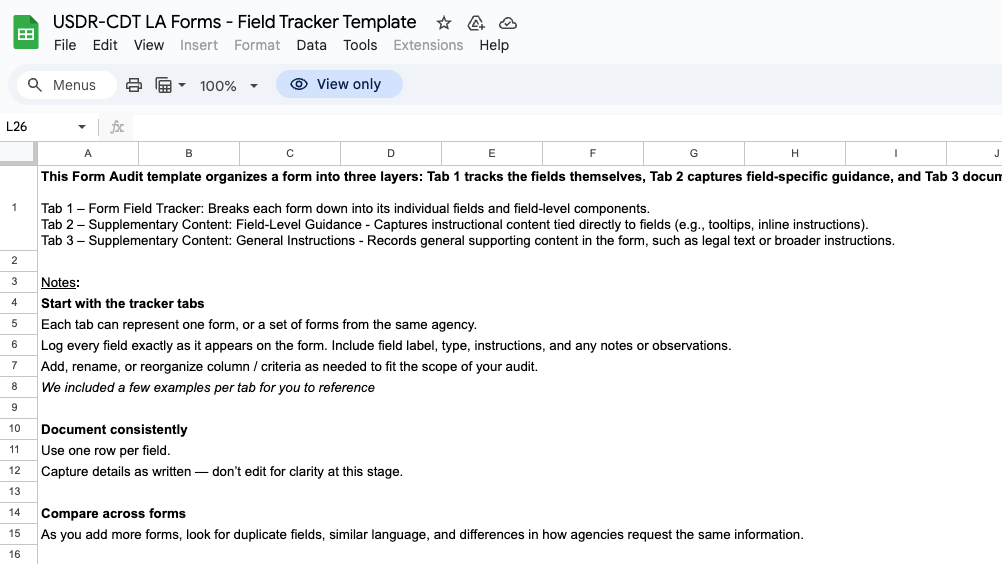
A structured spreadsheet template designed to audit, compare, and standardize government forms by breaking them down into individual fields, guidance, and general instructions.
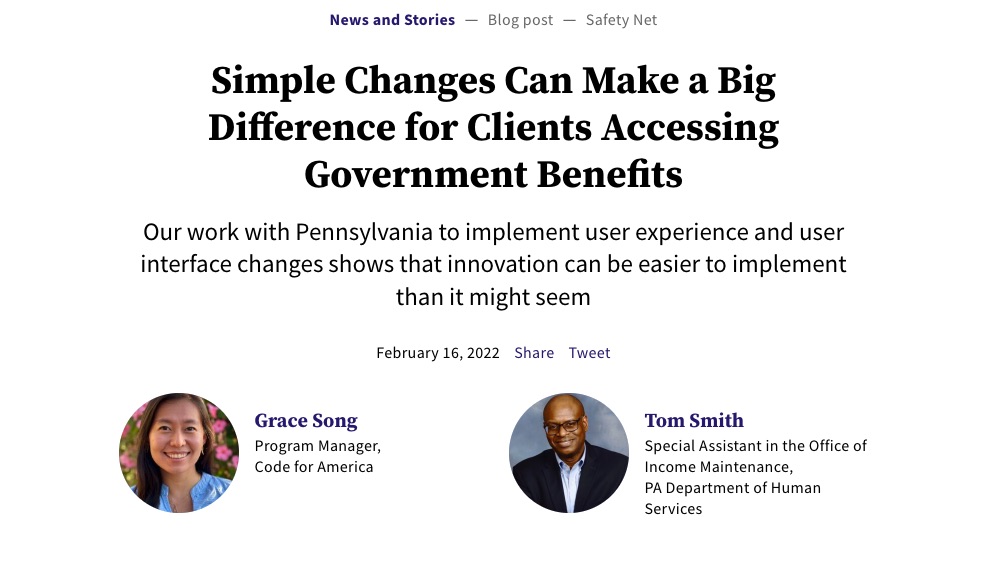
Our work with Pennsylvania to implement user experience and user interface changes shows that innovation can be easier to implement than it might seem.
During the call, we heard from two speakers: April Dunlap, Policy Administrator for Arizona’s Department of Economic Security and Professor Michele Gilman, Venable Professor of Law and Associate Dean for Faculty Research and Development at the University of Baltimore School of Law.