This communications workplan provides a strategic framework for state Medicaid agencies to manage outreach and engagement ahead of the January 2027 implementation of Medicaid work reporting requirements.
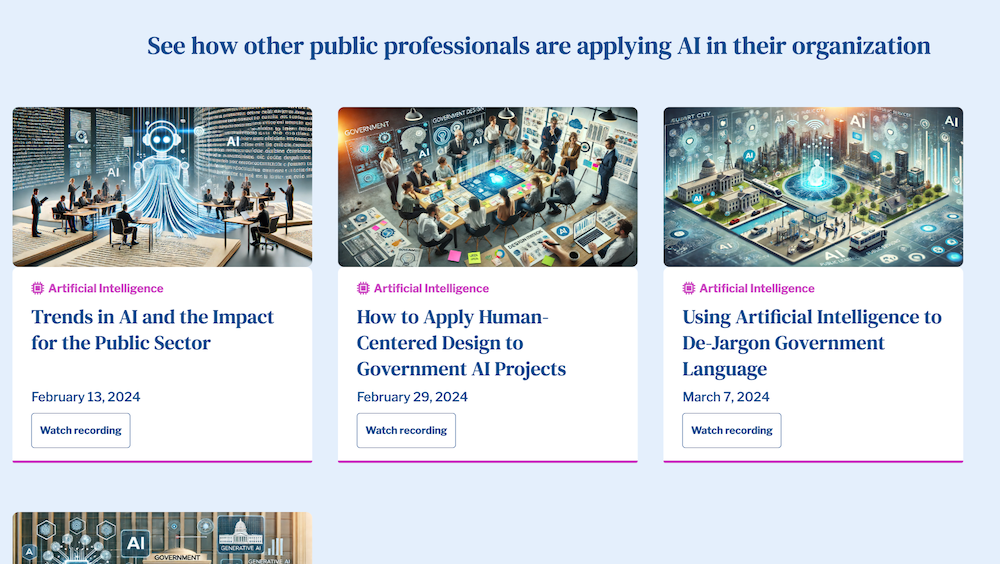
AI resources for public professionals on responsible AI use, including a course showcasing real-world applications of generative AI in public sector organizations.
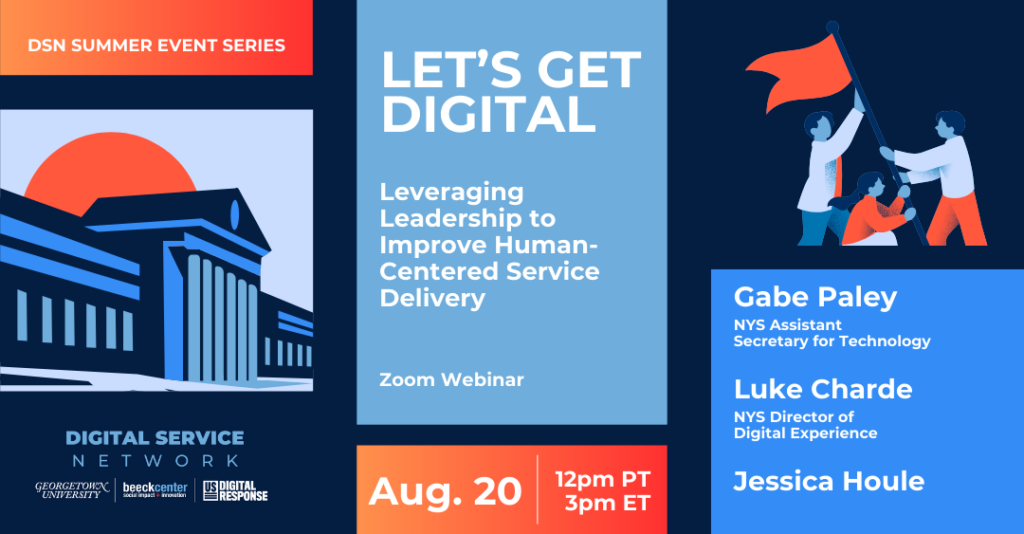
For the Digital Service Network’s (DSN) final installment of its summer event series, Let’s Get Digital, we heard about New York State’s (NYS) human-centered design (HCD) journey and how relationships between leadership and digital service teams have been pivotal in advancing user-centric service delivery.
This toolkit offers strategies and tools to help agencies build the culture and infrastructure needed to apply data analysis routinely, effectively, and accurately – referred to in this publication as “sustainable data use.”
The Sprint 2 Report: Michigan UI Claimant Experience by Civilla and New America examines challenges in Michigan’s unemployment insurance (UI) system and provides human-centered design recommendations to improve accessibility, clarity, and user experience.
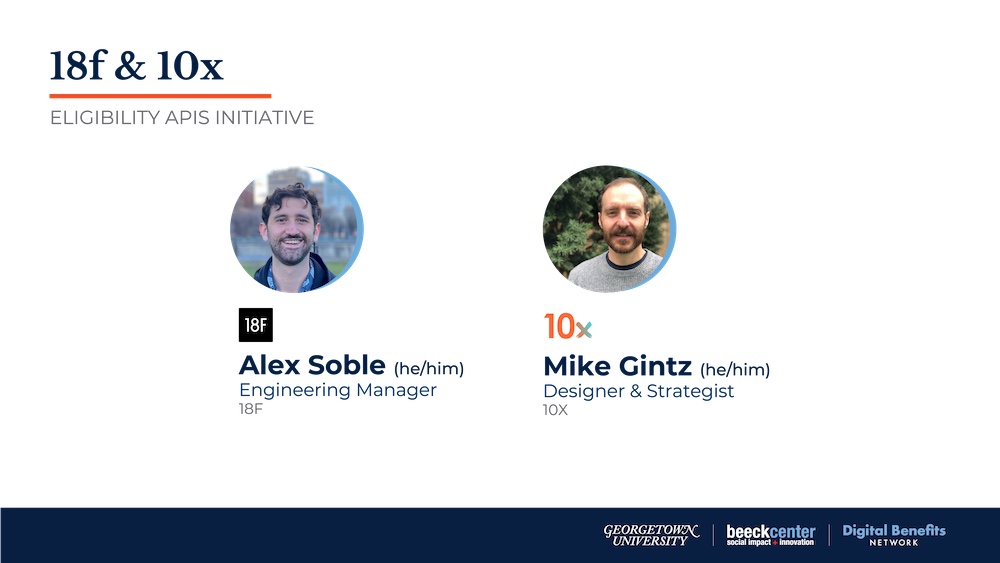
We kicked off Rules as Code Demo Day with Alex Soble of 18F and Mike Gintz of 10x presenting their Eligibility APIs Initiative that explores whether APIs and rules as code might improve the efficiency and effectiveness with which federal public benefits programs communicate their policy to states. They demonstrated their original prototype, and how the open source code has now been extended into several initiatives.
A study shows that Benefits Data Trust’s outreach and application assistance significantly increased SNAP enrollment among North Carolina seniors, improving health outcomes and reducing Medicaid costs.
The Center on Budget and Policy Priorities (CBPP) report highlights the disproportionate hardships faced by Black and Latina mothers during the COVID-19 pandemic, exacerbated by systemic inequities.
There is a key disconnect between policymakers’ intent and implementation of policies. A user-centric, iterative, and data-driven approach can result result in digital technology that provides much needed data and insights at a substantially lower cost.
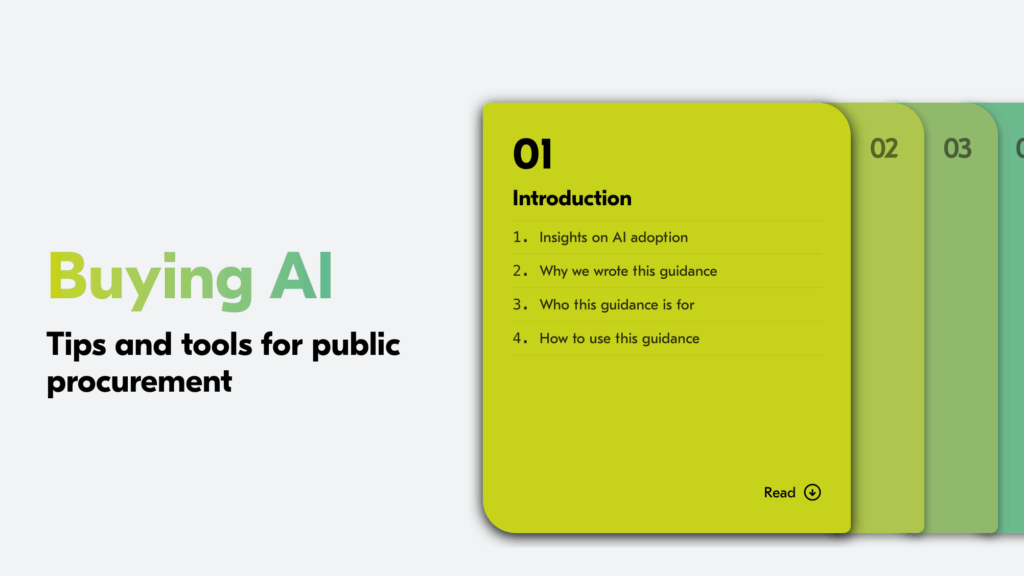
A practical, plain-language guide offering public-sector procurement and technology teams actionable tools and best practices for procuring AI responsibly and effectively.
This publication explains the fundamentals of state IEE systems—including the technology, opportunities, risks, and stakeholders involved. It is a resource for state officials, advocates, funders, and tech partners working to implement these systems.