This resource provides strategies, practical examples, and templates for attracting, developing, and retaining a high-performing digital service workforce.
This issue brief illustrates the challenges that many older adults with low income face in gaining access to benefits online. It addresses digital literacy, access to broadband internet, and the increasing prevalence of connecting online to SNAP.
Tangible tools, scoring guides and strategies to embed equity and wellbeing into your procurement process. Designed for human services with opportunities to apply these principles to other fields.
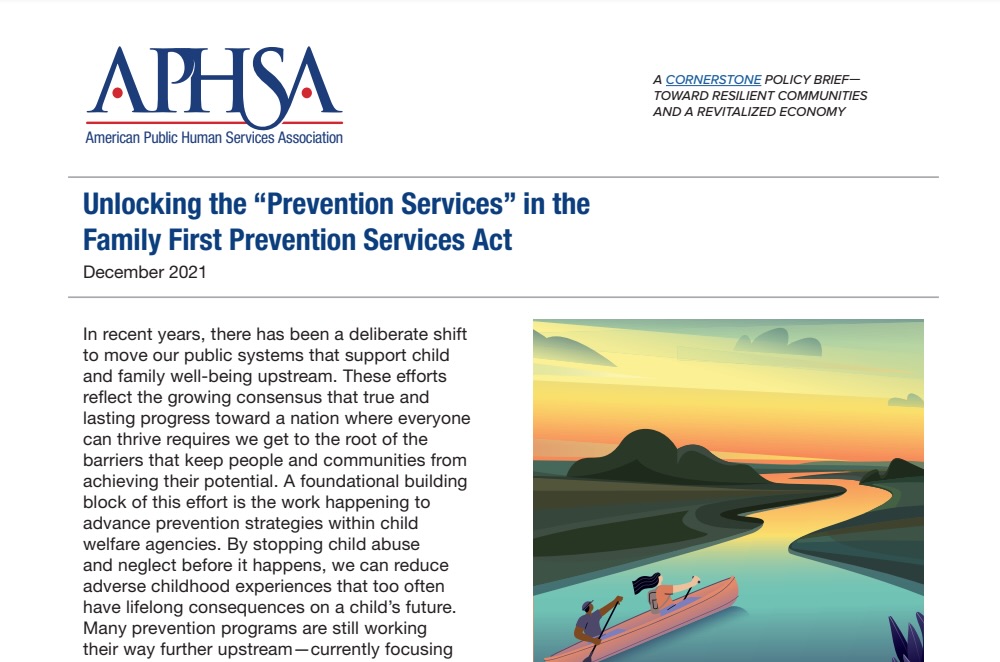
In recent years, there has been a deliberate shift to move our public systems that support child and family well-being upstream. These efforts reflect the growing consensus that true and lasting progress toward a nation where everyone can thrive requires we get to the root of the barriers that keep people and communities from achieving their potential. A foundational building block of this effort is the work happening to advance prevention strategies within child welfare agencies. In this brief, we focus on the challenges and opportunities that the Family First Prevention Services Act (Family First) offers to accelerate the shift toward a prevention-oriented child well-being system.
American Public Human Services Association (APHSA)
This guide provides practical insights for benefits administrators on redesigning benefits systems using human-centered design to ensure all eligible residents can access crucial social safety net resources.
Policymakers, program administrators, federal leaders, researchers, and advocates are increasingly focused on using administrative data to build evidence for improving government programs. Achieving this goal requires accessible data sources and the capacity to use them, yet stakeholders have little information about the baseline level of state capacity in these areas. How does one measure concepts such as “effective data use” and “analytic capacity?” This brief reports findings from a pioneering and comprehensive needs assessment that examined the capacity of Temporary Assistance for Needy Families (TANF) programs in 54 U.S. states and territories to analyze data used for program improvement, monitoring, and evidence-building. The needs assessment provides a foundation for technical assistance and continued improvement for the TANF program and may also provide valuable insights and frameworks for other state-administered human services programs.
The article outlines NYC Opportunity's "Designed by Community" program, which funds and empowers local leaders to create solutions for challenges in marginalized communities. Initially focused on government projects, the program pivoted during the pandemic to support community-led initiatives, with projects ranging from mentorship programs to tech tools for public housing residents.
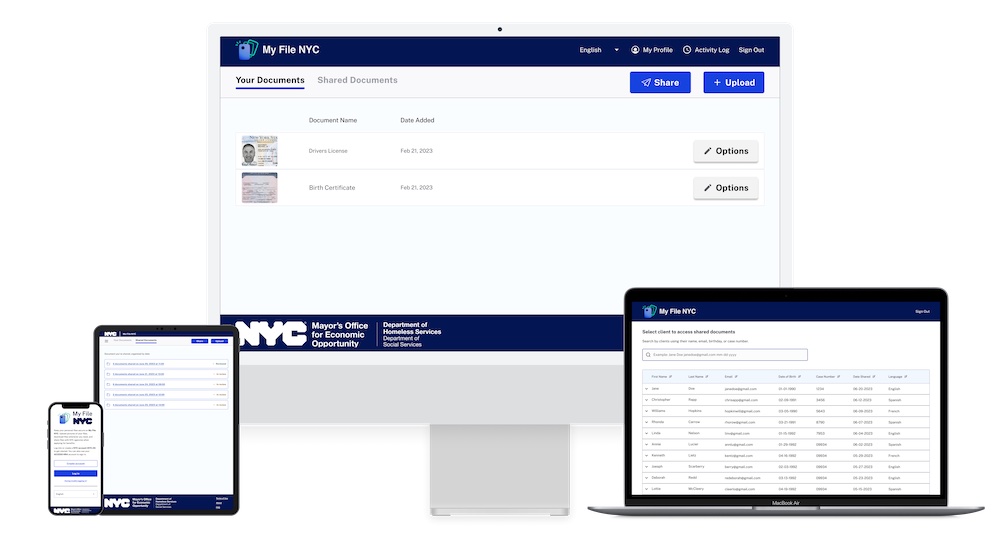
MyFile NYC is a digital platform that allows New York City residents experiencing homelessness to securely store, share, and manage vital documents with the Department of Homeless Services, streamlining the process of establishing eligibility for public benefits. This pilot, launched in 2022, aims to improve service access by reducing barriers like communication and documentation challenges, while allowing users control over their information.
The Digital Service Network (DSN) spoke with GC Forms’ Senior Product Manager Stevie-Ray Talbot and Acting Head Ioana Contu to learn more about the team's approach to building GC Forms.