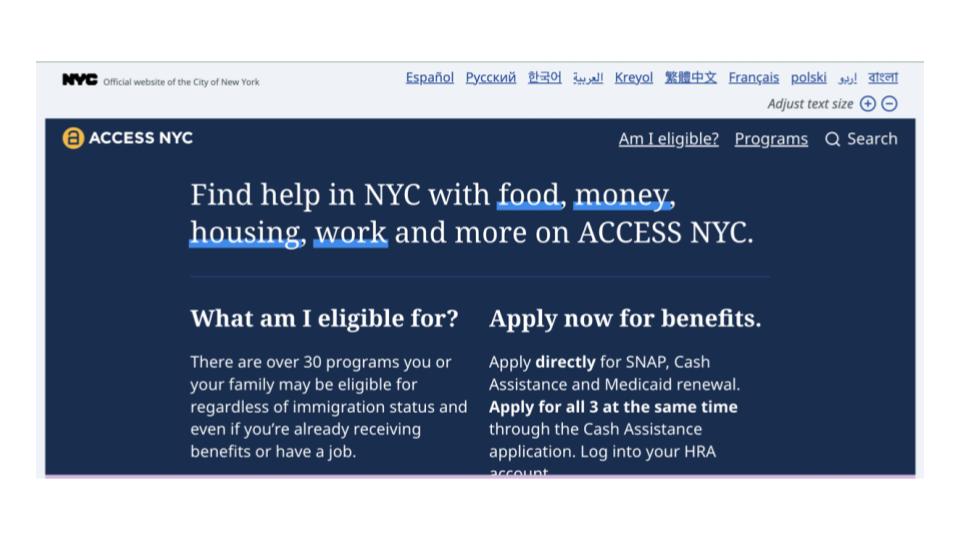
The NYC Mayor’s Office for Economic Opportunity (NYC Opportunity) developed the NYC Benefits Platform, including ACCESS NYC, to help residents easily discover and check eligibility for over 80 social programs.
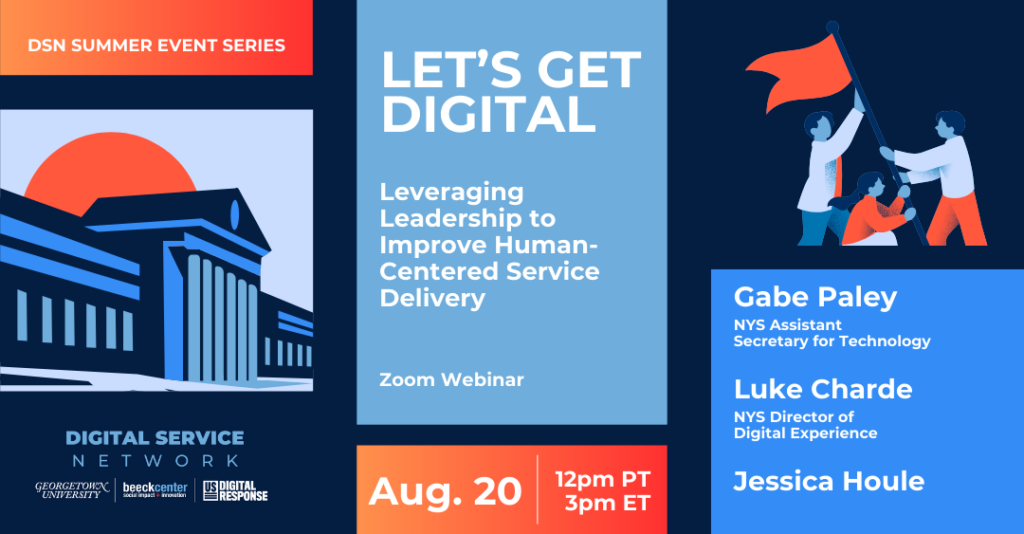
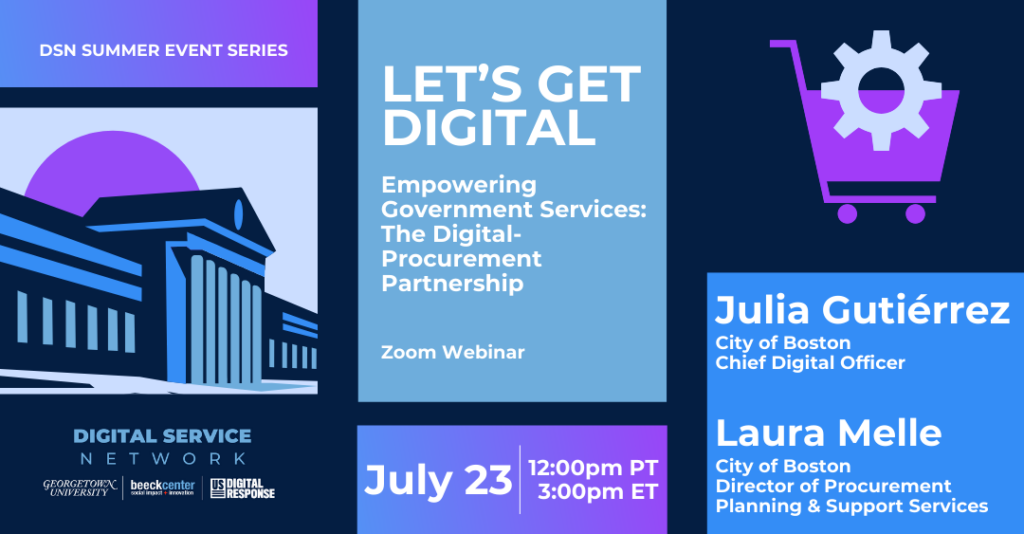
For the Digital Service Network’s (DSN) final installment of its summer event series, Let’s Get Digital, we heard about New York State’s (NYS) human-centered design (HCD) journey and how relationships between leadership and digital service teams have been pivotal in advancing user-centric service delivery.
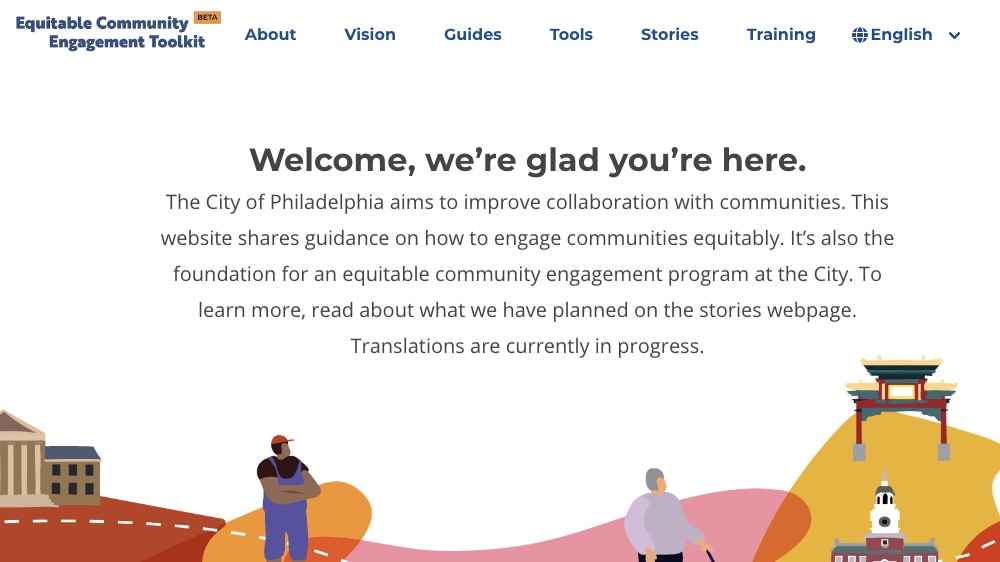
The Equitable Community Engagement Toolkit is a toolkit created by City of Philadelphia engagement practitioners and community members to help improve equitable collaboration with the community the City serves.
City of Philadelphia Office of Civic Engagement and Volunteer Service
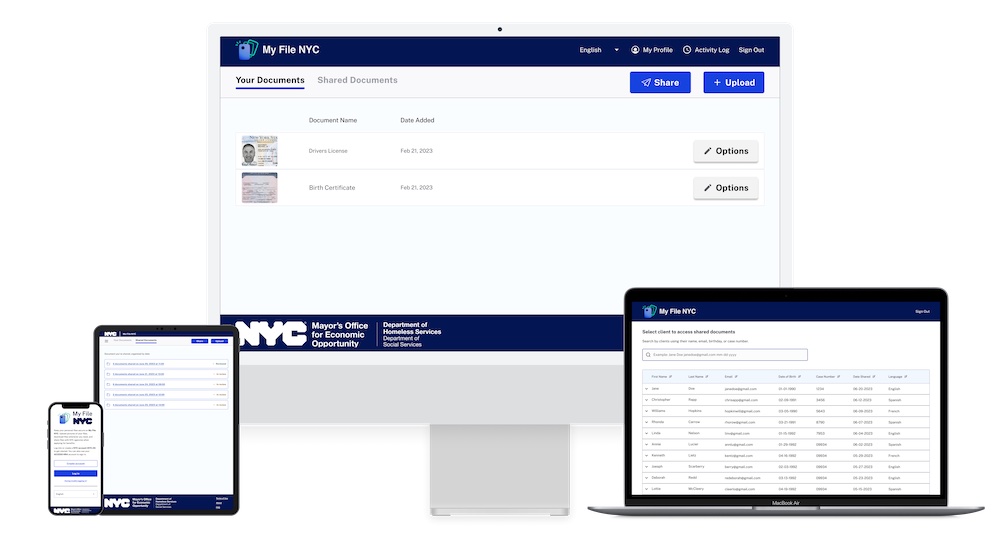
MyFile NYC is a digital platform that allows New York City residents experiencing homelessness to securely store, share, and manage vital documents with the Department of Homeless Services, streamlining the process of establishing eligibility for public benefits. This pilot, launched in 2022, aims to improve service access by reducing barriers like communication and documentation challenges, while allowing users control over their information.
This report shines a light on all the efforts that keep Open Data running, raises awareness about the latest information available from the City, and provides a glimpse into the upcoming changes and additions to our platform.
The Seattle.gov website's new Assistance and Discounts page centralizes information on city benefits and services, offering a user-friendly and consistent experience across 7,000 pages.
The second event in the Digital Service Network’s summer event series, Let’s Get Digital, focused on the City of Boston’s transformative journey to streamline its procurement processes.
The article discusses effective strategies for training government partners in digital services, emphasizing the importance of prioritizing training, setting clear objectives, and fostering mutual understanding and trust.
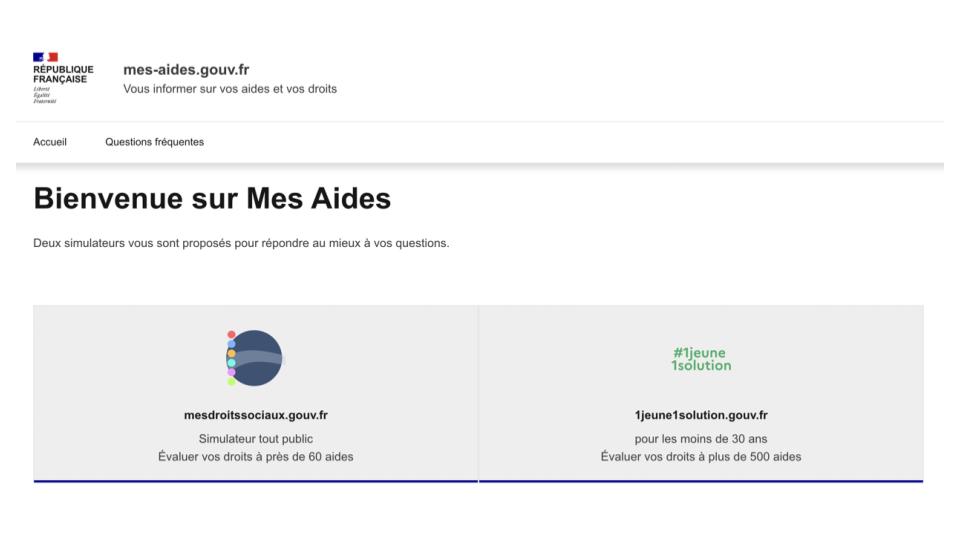
beta.gouv.fr, a French government incubator, developed Mes Aides, an online benefits simulator launched in 2014 to help residents assess their eligibility for various social programs, addressing the issue of unclaimed benefits. The tool, built with open-source technology, enabled users to quickly estimate their potential benefits but was later integrated into a broader platform in 2020 following internal government disputes over authority.