A tool for CDOs advocating for funding, authority, and expansion—and a primer for government leaders unfamiliar with the role. The report establishes shared vocabulary, identifies six CDO office archetypes, and offers cross-state insights on structures, priorities, and challenges.
This technical guide provides a framework for state agencies to minimize procedural terminations and health coverage losses resulting from new Medicaid work reporting requirements.
This report analyzes the critical role of SNAP’s "broad-based categorical eligibility" (BBCE) policy and the widespread consequences of its potential elimination by the Trump Administration.
A resource outlining state approaches to reducing payment error rates (PER) in SNAP and implementing new federal work requirements and other changes under H.R. 1.
American Public Human Services Association (APHSA)
This guide is a practical introduction to Digital Service Teams (DSTs) for state and local governments. It is designed to help leaders interested in standing up new government DSTs understand what they are, why they exist, and how they are structured, staffed, funded, and more.
How can governments use artificial intelligence (AI) to advance digital accessibility? During this roundtable, Andrew Merluzzi, AI Innovation + Incubation Fellow at the Beeck Center for Social Impact + Innovation, shared some applications of AI in digital accessibility. Attendees discussed which applications are most promising, which seem too difficult or risky, and how their agencies could start experimenting with AI.
A critical landscape report examining how the AI industry concentrates corporate power, reshapes public institutions, and advances economic and political interests that undermine democracy, labor, and shared prosperity.
This webinar presentation outlines the essential communication requirements and outreach standards for states preparing for Medicaid work reporting mandates starting in 2027.
With a federal accessibility deadline approaching, the Beeck Center convened government leaders to turn compliance pressure into lasting digital inclusion.
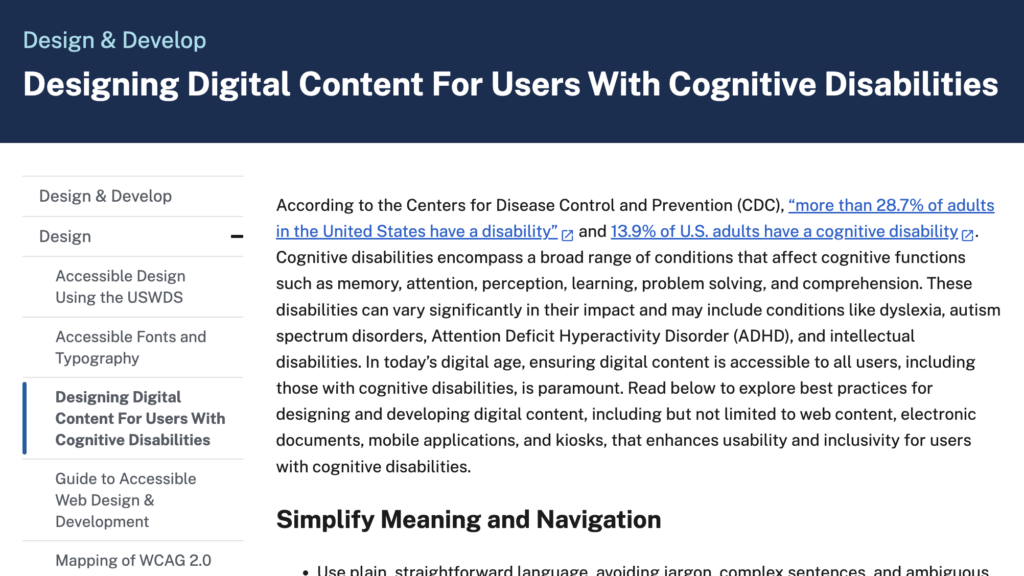
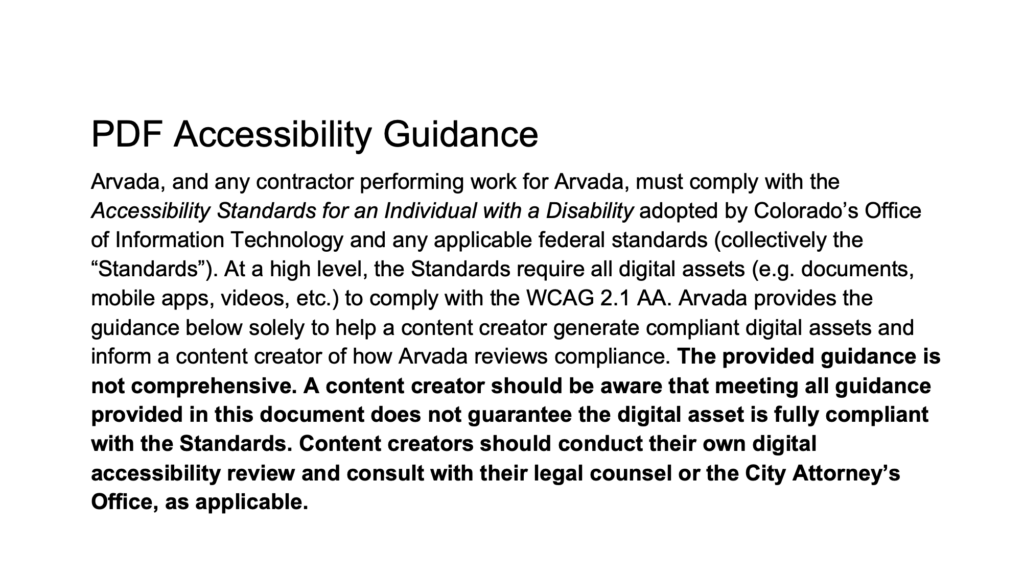
This guidance document outlines how to create and review accessible PDFs to help ensure compliance with WCAG 2.1 AA and other digital accessibility standards.