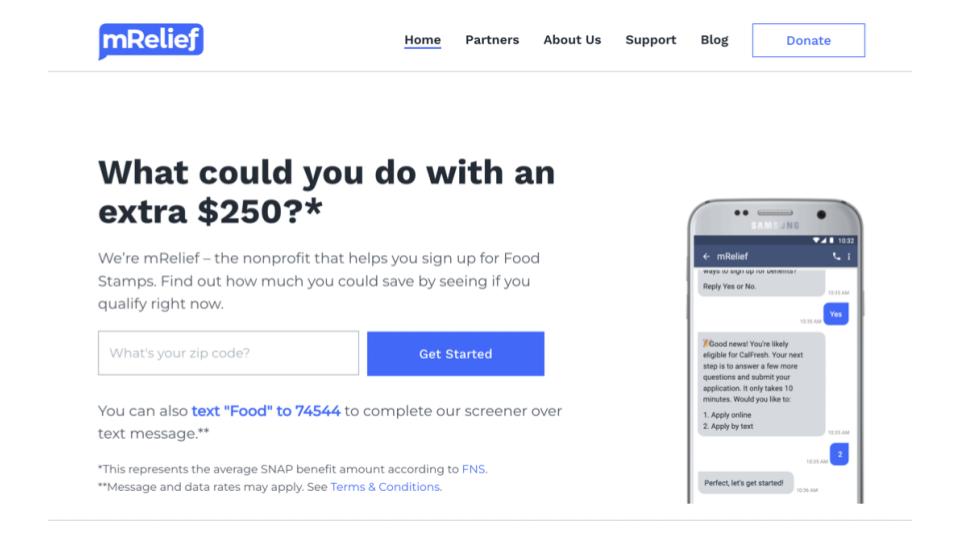
mRelief is a nonprofit that helps individuals in all 53 U.S. states and territories determine SNAP eligibility and apply using easy-to-use web and text tools. Their simplified, inclusive approach has supported over 2.7 million people and unlocked over $1 billion in benefits, focusing on minimizing barriers and adapting eligibility rules across states.
In our research announcement on theories of change (ToC) for digital government, the Digital Service Network shared our belief that all Digital Service (DS) teams should work to develop a ToC.
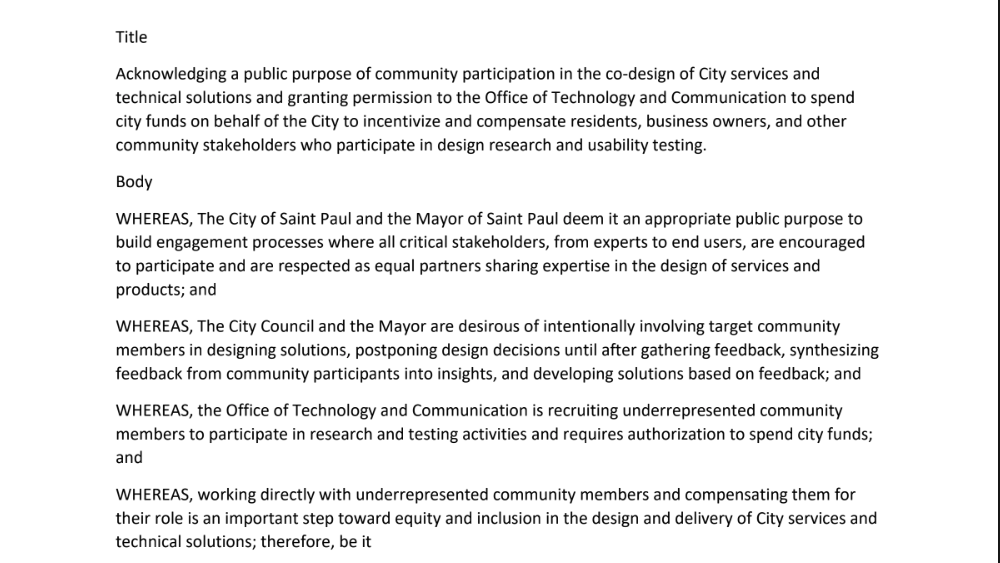
The user recruitment services resolution passed in Saint Paul, MN for a third year in a row in 2024. It allows for city funds to be used to compensate community members who participate in research.
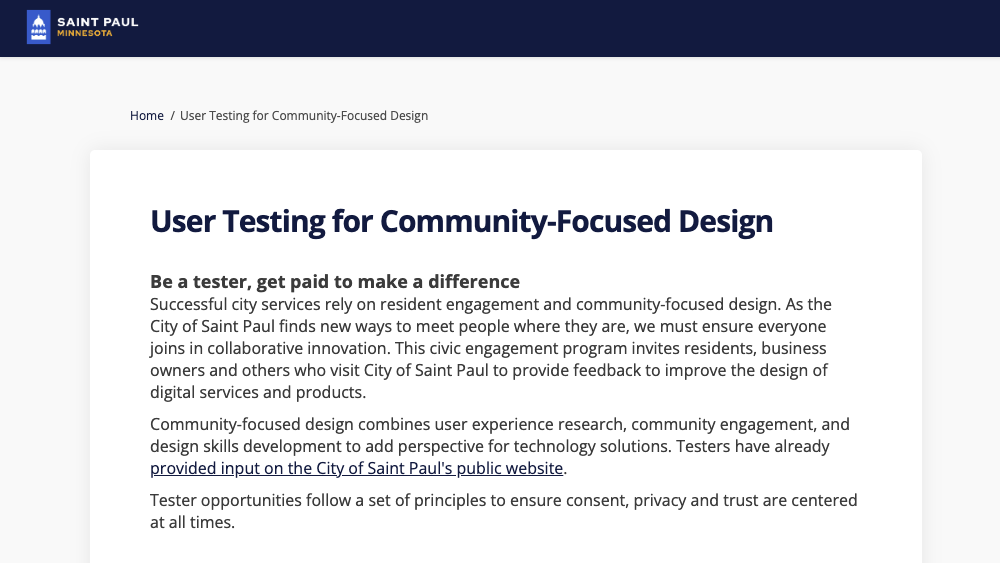
City of Saint Paul's website for community members to sign up to participate in paid research opportunities in order to test and provide feedback on the design of digital services and products.
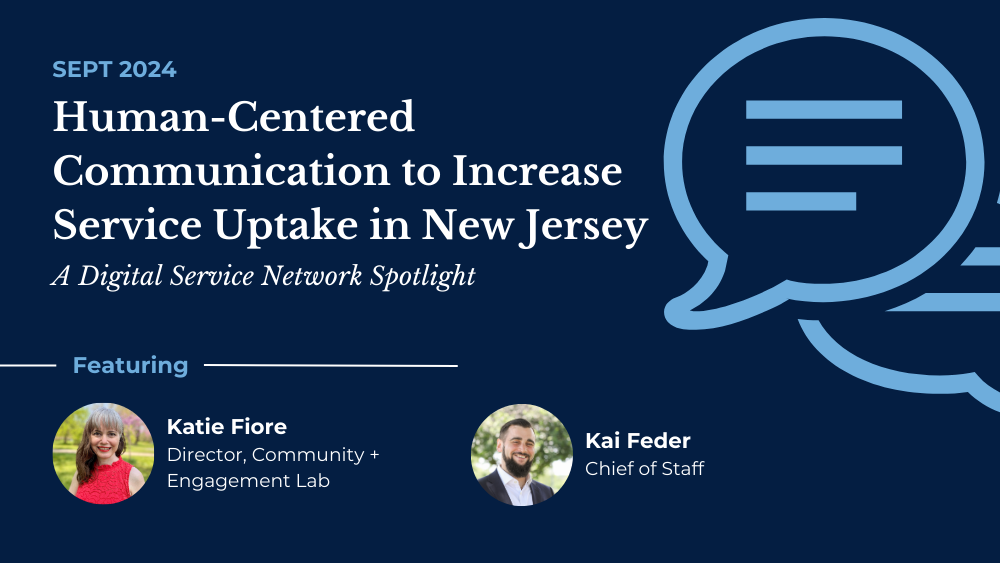
The Digital Services Network (DSN) spoke with the director of the C+E Lab, Katie Fiore, and OOI chief of staff, Kai Feder, to learn more about the C+E Lab and its ongoing role in shifting the State’s approach to using marketing to better connect residents to programs and services.
In this updated primer, the DBN describes how identity proofing and authentication show up in public benefits applications and outlines equity and security concerns raised by common identity proofing and authentication methods.
Guidance for City of Long Beach, CA staff on how to uplift community voices through user research to create services that are accessible to all City residents.
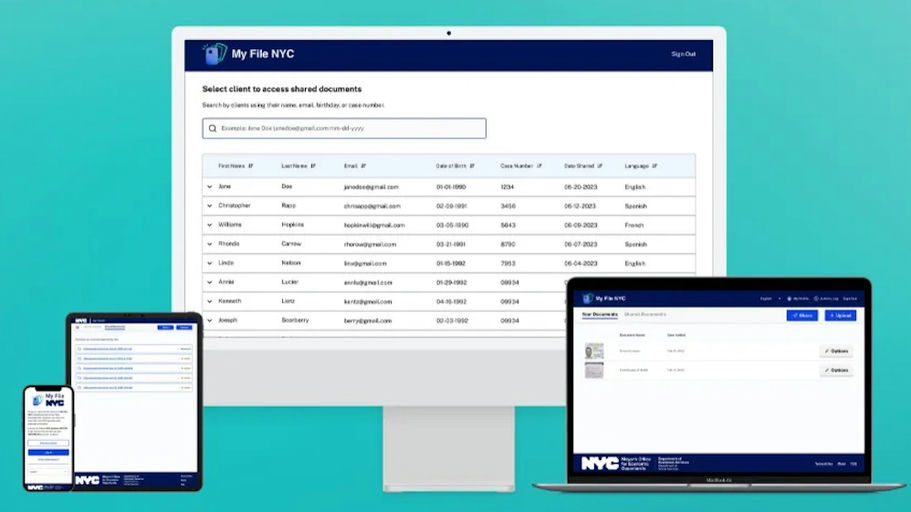
My File NYC is a document storage and sharing website that provides New York City residents a safe place to store and share vital documents when applying for City services.
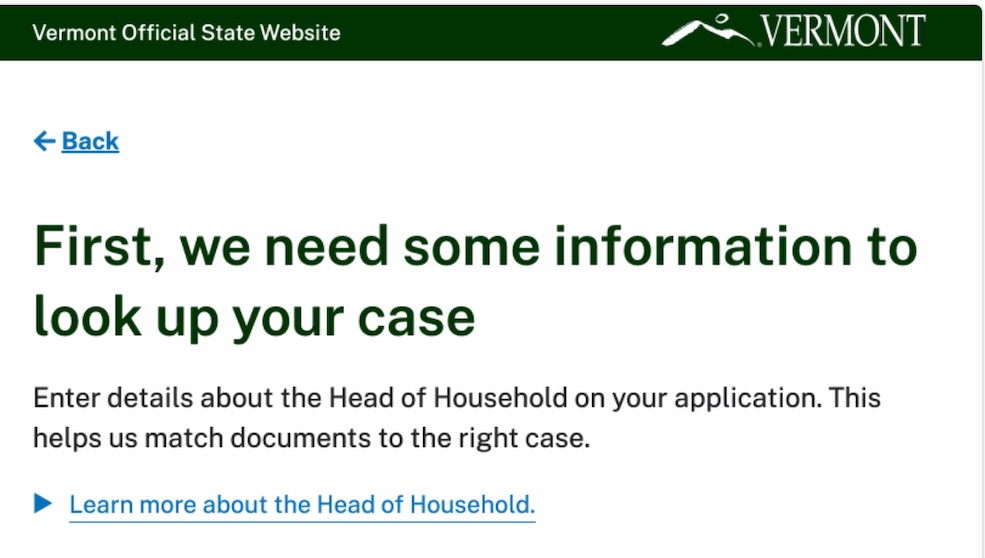
Nava built flexible and reusable software and design components to make it easier for Vermonters to access their benefits. These components support Vermont’s long-term vision of integrating eligibility and enrollment processes for all of the state’s healthcare and financial benefit programs.