In this brief, APHSA outlines its commitment to addressing the causes of structural inequities by first illuminating structural root causes of race inequity within the context of human services. The brief outlines approaches to doing the intentional and systematic work that is required to counteract the structural barriers human services systems have fostered.
American Public Human Services Association (APHSA)
This guide addresses technical and engineering requirements for a text messaging program, including texting platform options, and procurement and vendor management, among other technical implementation topics.
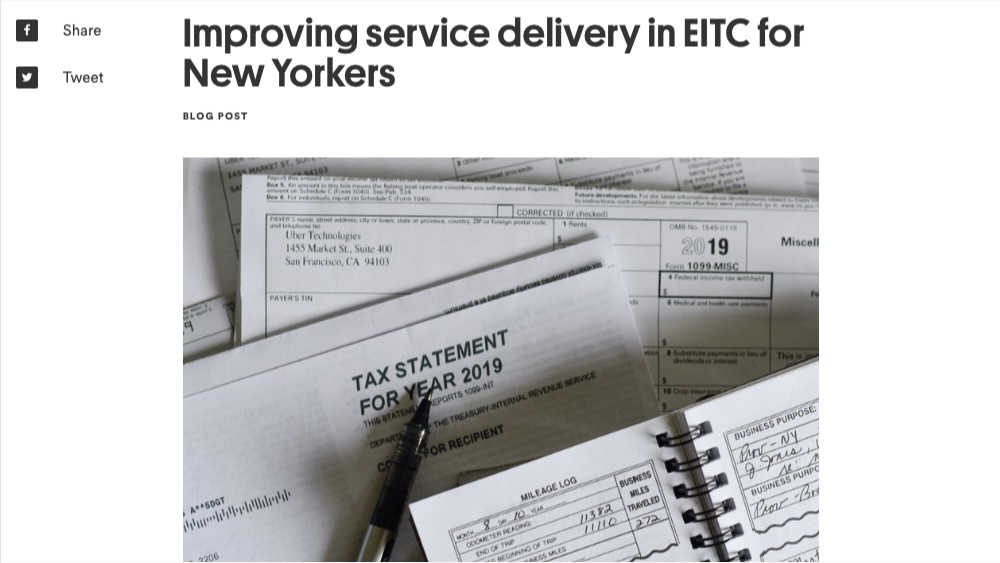
The Improving Service Delivery in EITC for New Yorkers initiative explores ways to enhance access to the Earned Income Tax Credit (EITC) through improved outreach, application processes, and service delivery.
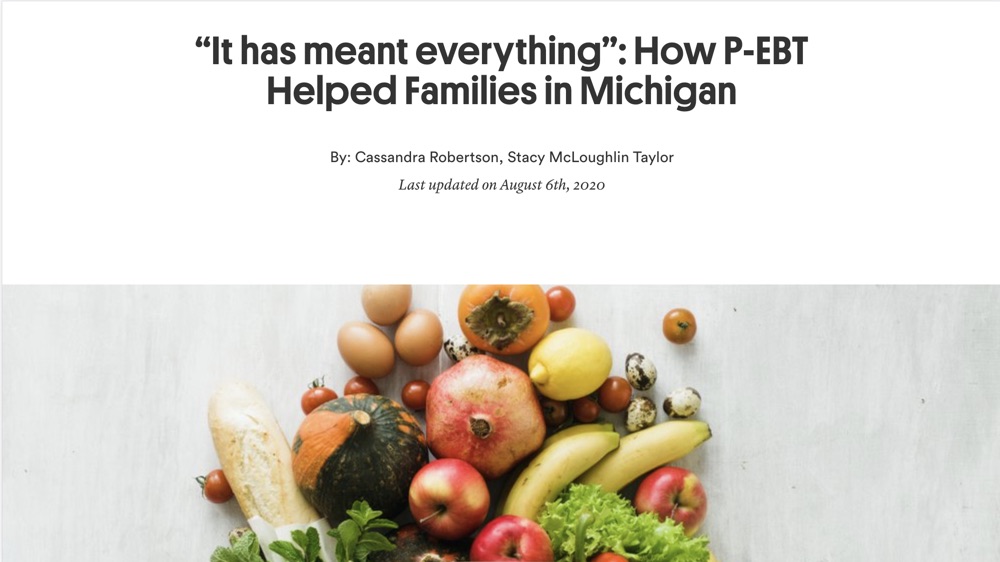
This report explores Michigan’s implementation of the Pandemic Electronic Benefit Transfer (P-EBT) program. Drawing on interviews from individuals within the Michigan Department of Health and Human Services and input from SNAP participants via surveys distributed using the Fresh EBT app, this report provides insights into the strategies that enabled Michigan to roll out an entirely new program quickly and effectively.
The GetCalFresh team, the California Department of Social Services, and the California Secretary of State’s office worked together to create a simplified, accessible voter registration experience with clients. When people come to GetCalFresh.org, they are looking to apply for food assistance, so the state of California did not want voter registration to become an obstacle to the goal of getting food assistance. Thus, rather than directing clients to anther website, they offered to text clients a link to the CA Secretary of State’s voter website with directions on how to register.
A modification of Bolder Advocacy’s ACT!Quick capacity self-assessment tool to incorporate additional equity-centered capacities, engage community authentically, and conduct research in culturally responsive ways.
Programs like Medicaid and SNAP are managed at the federal level, administered at the state level, and often executed at the local level. Because there are so many in-betweens, there is significant duplicated effort, demonstrating the need to simplify eligibility rules to facilitate easier implementation.
California’s SNAP program faced record application volume due to the COVID-19 crisis, and other states must anticipate similar demand. This post summarizes key takeaways from GetCalFresh’s real-time data and client communications, and offers recommendations for how other states can implement effective responses.
This resource provides an overview of the Supplemental Nutrition Assistance Program Employment & Training (SNAP E&T) program, highlighting state implementation strategies, funding mechanisms, and policy opportunities to strengthen workforce participation among SNAP recipients.
American Public Human Services Association (APHSA)