A practical example showing how to estimate and structure firm-fixed-price costs for agile software development task orders using iteration-based pricing and performance metrics.
This issue brief examines how limited English proficiency creates barriers to enrolling in and accessing Medicaid and CHIP, and how states provide language access services to address these challenges.
The report summarizes qualitative research and feedback from Tribal leaders and grant administrators to inform improvements in federal grant systems and processes.
U.S. Department of Health and Human Services (HHS)
A tool for CDOs advocating for funding, authority, and expansion—and a primer for government leaders unfamiliar with the role. The report establishes shared vocabulary, identifies six CDO office archetypes, and offers cross-state insights on structures, priorities, and challenges.
This technical guide provides a framework for state agencies to minimize procedural terminations and health coverage losses resulting from new Medicaid work reporting requirements.
A resource outlining state approaches to reducing payment error rates (PER) in SNAP and implementing new federal work requirements and other changes under H.R. 1.
American Public Human Services Association (APHSA)
A critical landscape report examining how the AI industry concentrates corporate power, reshapes public institutions, and advances economic and political interests that undermine democracy, labor, and shared prosperity.
This webinar presentation outlines the essential communication requirements and outreach standards for states preparing for Medicaid work reporting mandates starting in 2027.
With a federal accessibility deadline approaching, the Beeck Center convened government leaders to turn compliance pressure into lasting digital inclusion.
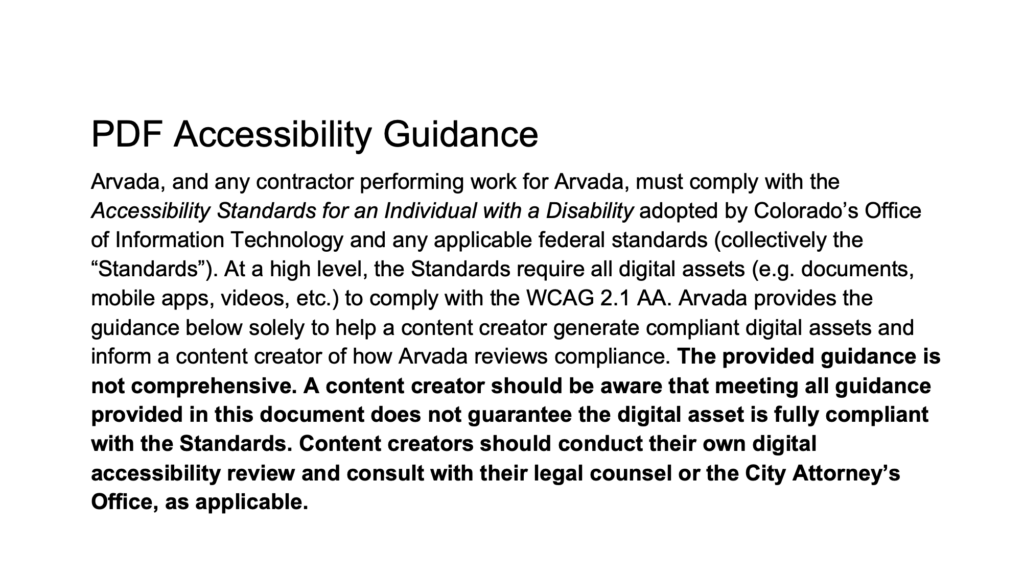
This guidance document outlines how to create and review accessible PDFs to help ensure compliance with WCAG 2.1 AA and other digital accessibility standards.