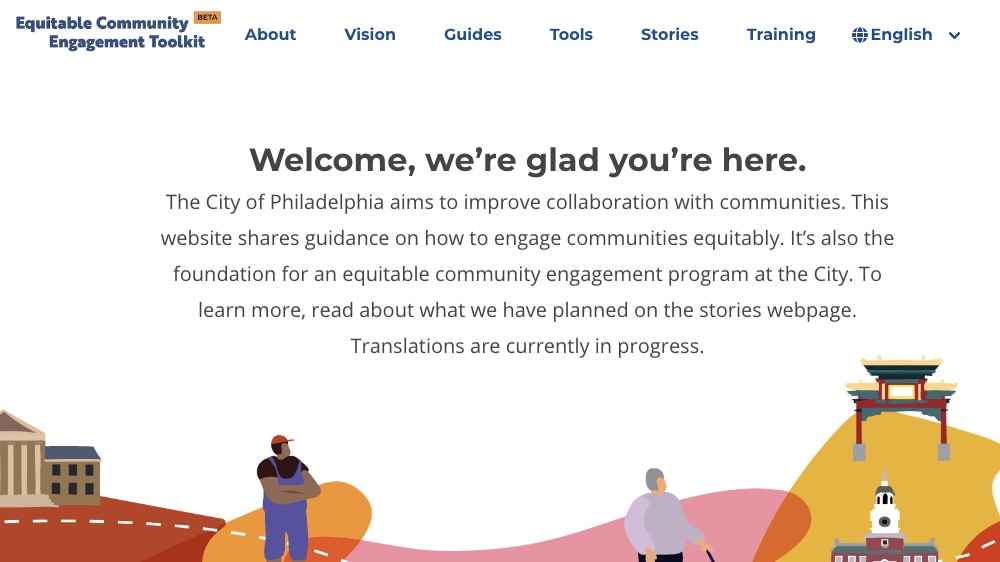
The Equitable Community Engagement Toolkit is a toolkit created by City of Philadelphia engagement practitioners and community members to help improve equitable collaboration with the community the City serves.
City of Philadelphia Office of Civic Engagement and Volunteer Service
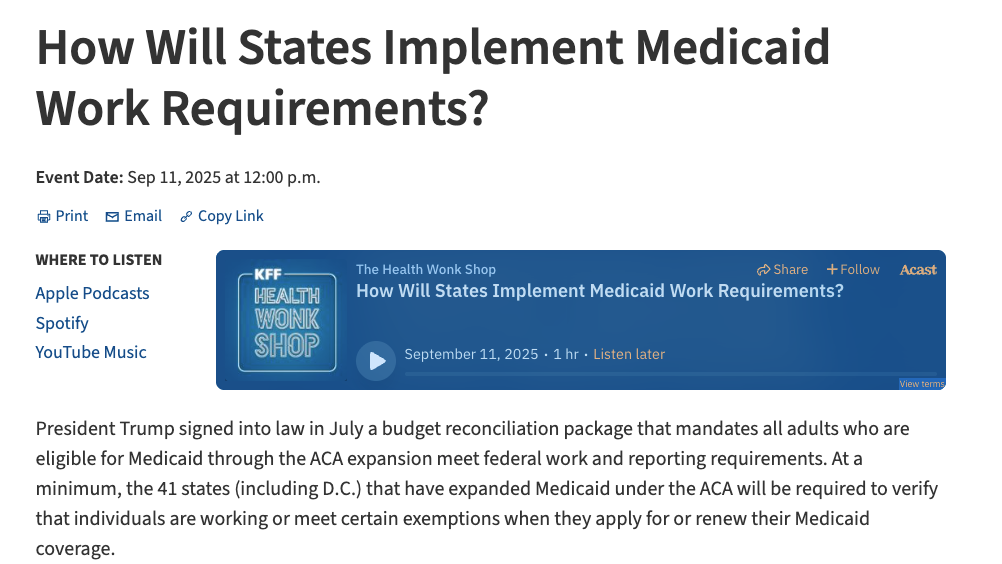
This event convened policy experts and state leaders to explore how states can operationalize new Medicaid work reporting mandates—covering technical, legal, and implementation challenges.
DSN Spotlights are short-form project profiles that feature exciting work happening across our network of digital government practitioners. Spotlights celebrate our members’ stories, lift up actionable takeaways for other practitioners, and put the resources + examples we host in the Digital Government Hub in context.
DSN Spotlights are short-form project profiles that feature exciting work happening across our network of digital government practitioners. Spotlights celebrate our members’ stories, lift up actionable takeaways for other practitioners, and put the resources + examples we host in the Digital Government Hub in context.
Due to technology’s disruptive force in society and on the labor force, it is necessary to revisit the relationship between employees, governments, and citizens. This report asserts that the next president should immediately sign two Executive Orders (EOs) to address the current work crisis and the urgent economic emergency that has left Americans evicted, unable to pay bills, make rent, or put food on the table.
This page describes the agency’s investments in digital tools and services aimed at reducing friction in how people find, apply for, and maintain eligibility for federal benefits.
The portfolio page outlines federal projects focused on elevating how people interact with government services by prioritizing user needs, accessibility, equity, and consistency across agencies.
This blog explains how the Rural Health Transformation Program—established under H.R. 1—will channel $50 billion over five years to states to support rural health care, and outlines how states can apply, qualify, and deploy funds strategically.
Association of State and Territorial Health Offices (ASTHO)