A comprehensive survey-based analysis of Boston residents’ access to internet, devices, and digital skills, with a focus on equity across priority populations including low-income households, seniors, immigrants, and formerly incarcerated individuals.
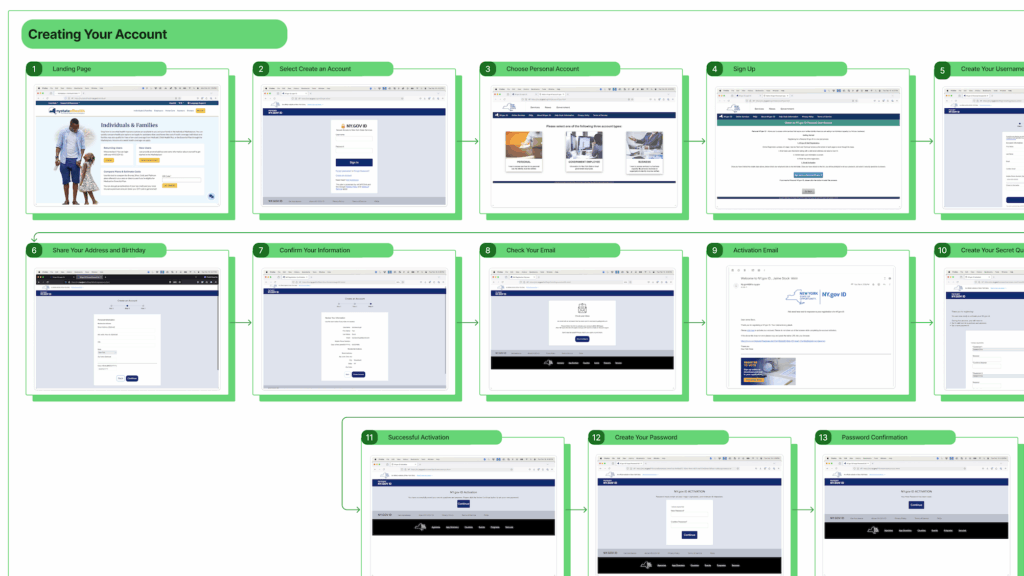
Created for use in the Digital Doorways research project, this design stimuli shows the steps of submitting an application, sharing personal information, and verifying identity for New York's online application for Medicaid.
This report examines how recent federal spending cuts and policy changes are shifting costs onto county governments, potentially burdening local budgets and services.
On July 16, members of the Digital Identity Community of practice gathered to learn how peers are gathering beneficiary feedback on their experiences with accounts and proving their identity.
This one-pager introduces Iowa Child Care Connect (C3), a centralized data system that integrates near-real-time child care data to support families, providers, policymakers, and economic development efforts across the state.
The story of Andrew Petrisin and the FLOW system demonstrates how the U.S. DOT successfully overcame barriers in government tech by building a collaborative, user-centered logistics platform that provided value to stakeholders during the 2021 supply chain crisis.
The article explores the importance of participatory planning in policymaking, emphasizing how engaging impacted communities improves program design, equity, and trust in government, with a focus on early childhood education initiatives.
This session from FormFest 2024 features the South Carolina Early Childhood Advisory Council’s work developing a single portal to integrate applications for publicly funded programs and services, and the office of Federal Student Aid’s work on the FAFSA form.
This session from FormFest 2024 focused on how governments are scaling their SNAP benefits programs, with Maryland’s improved integrated benefits application and the Office of Evaluation Sciences’ changes to questions on the SNAP application.