This field guide provides research-based design principles for creating clear, usable forms that help voters accurately complete election-related paperwork and successfully take action.
The GSA’s Service Design program implemented a data-driven evaluation process to enhance digital experiences, improve compliance, and streamline its website portfolio, achieving significant cost savings and customer-centric digital transformation.
This brief outlines research recommendations to strengthen child welfare services for LGBT youth and adults, focusing on experiences of maltreatment, foster care, and adoption.
U.S. Department of Health and Human Services (HHS)
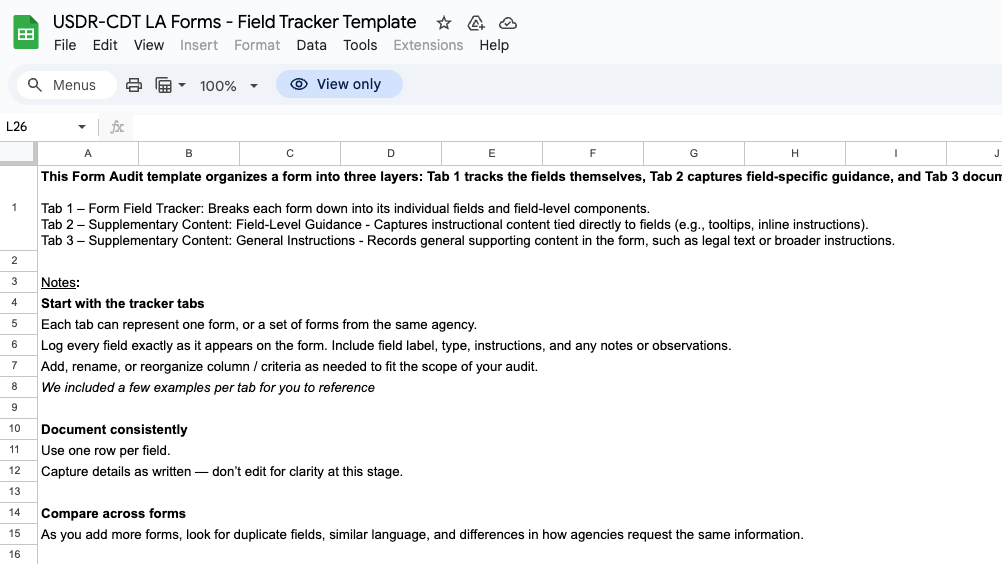
A structured spreadsheet template designed to audit, compare, and standardize government forms by breaking them down into individual fields, guidance, and general instructions.
A comprehensive survey-based analysis of Boston residents’ access to internet, devices, and digital skills, with a focus on equity across priority populations including low-income households, seniors, immigrants, and formerly incarcerated individuals.
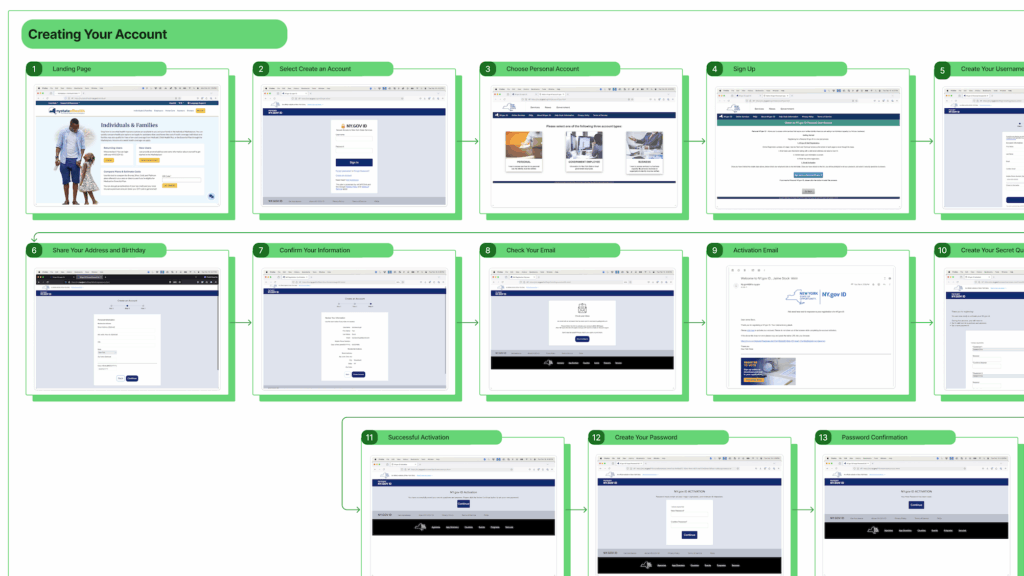
Created for use in the Digital Doorways research project, this design stimuli shows the steps of submitting an application, sharing personal information, and verifying identity for New York's online application for Medicaid.
This report examines how recent federal spending cuts and policy changes are shifting costs onto county governments, potentially burdening local budgets and services.
On July 16, members of the Digital Identity Community of practice gathered to learn how peers are gathering beneficiary feedback on their experiences with accounts and proving their identity.
This one-pager introduces Iowa Child Care Connect (C3), a centralized data system that integrates near-real-time child care data to support families, providers, policymakers, and economic development efforts across the state.