This video shows you how to get started with using Generative AI tools, including Bard, Bing, and ChatGPT, in your work as public sector professionals.
Differing federal requirements for public benefit applications create significant barriers for applicants and complicate state efforts to integrate services.
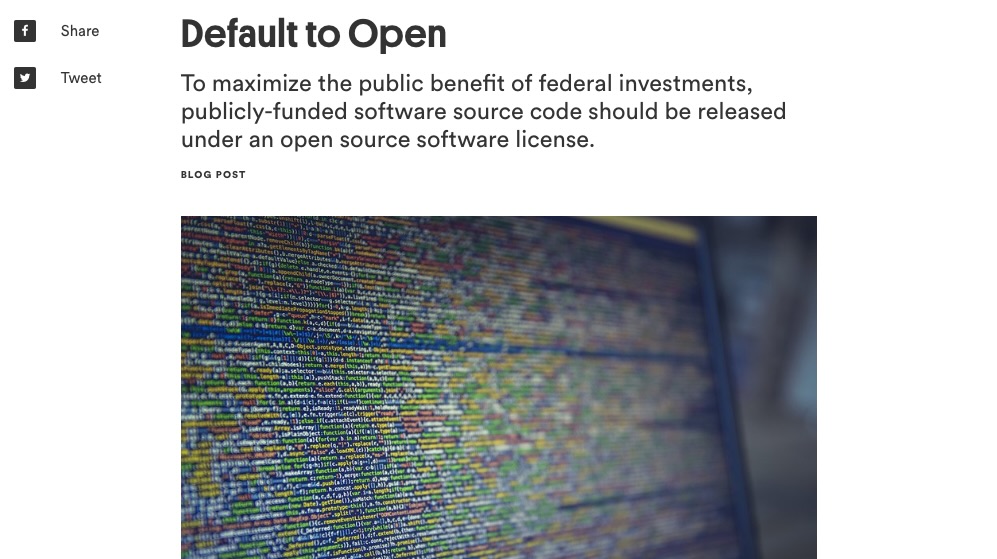
This article discusses the various benefits of publicly-funded open-source software. These benefits include fairness and transparency, economic stimulus, and support of the Federal Source Code Policy Agenda.
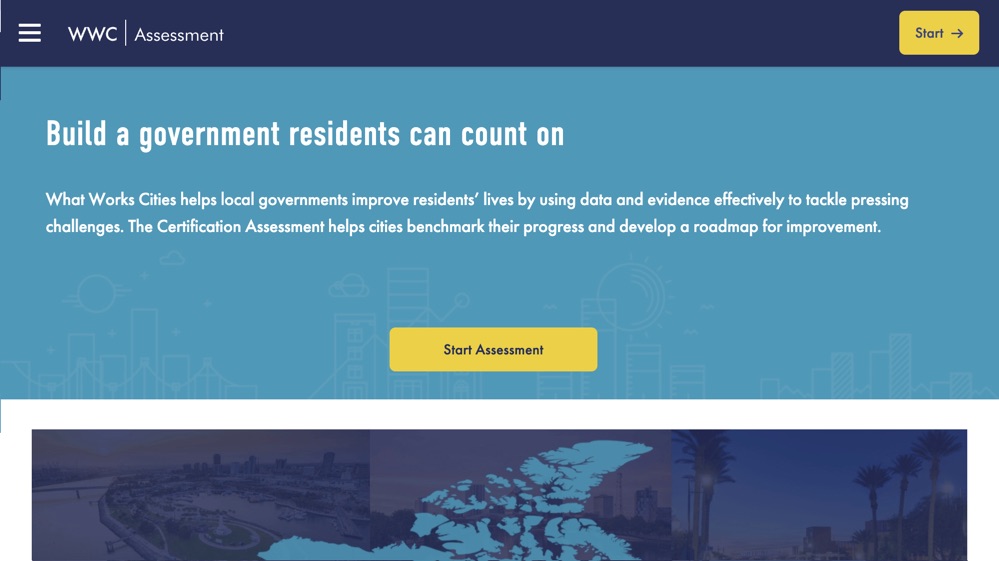
What Works Cities helps local governments improve residents’ lives by using data and evidence effectively to tackle pressing challenges. The Certification Assessment helps cities benchmark their progress and develop a roadmap for improvement.
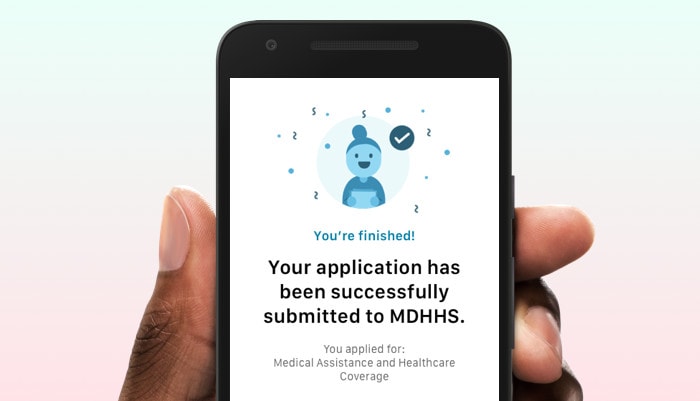
The ubiquity of mobile devices makes it imperative to build “mobile first” services, i.e. services built with the expectation that they will primarily be accessed on mobile devices. This article also outlines important considerations and suggestions for implementing mobile-first user interfaces.
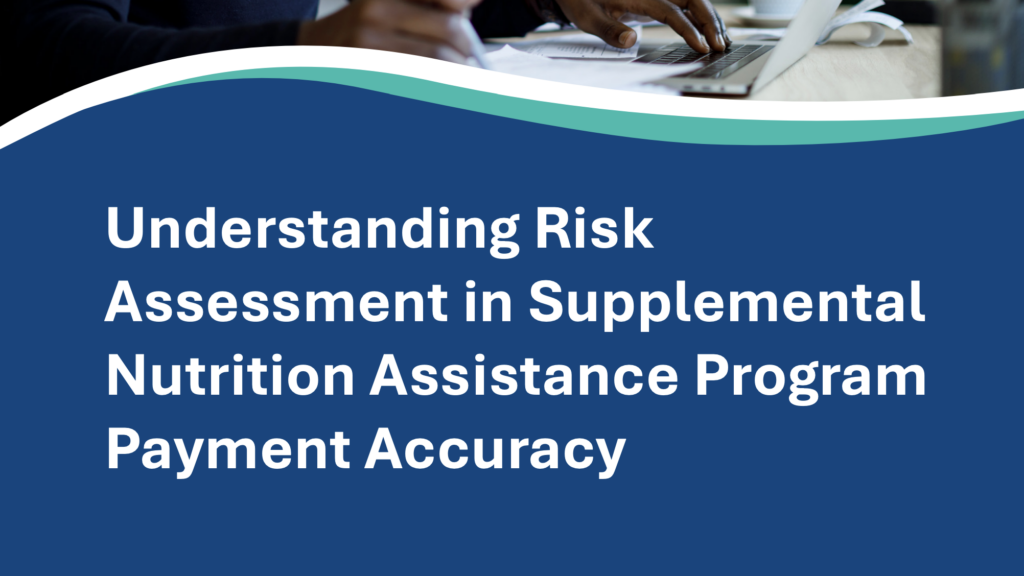
A report examining how risk assessment tools are used to improve payment accuracy in nutrition assistance programs and identifying effective practices for their design and implementation.
This research used observational research with unemployment insurance (UI) claimants to identify pain points in the application process and inform customer experience improvements.
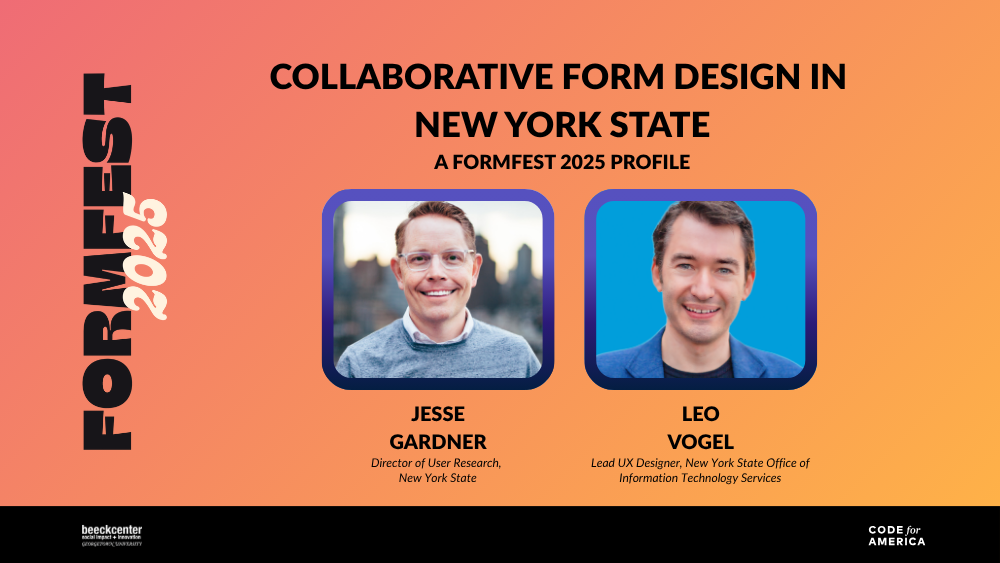
A FormFest profile highlighting how New York State’s design and technology teams are reimagining form creation through collaborative, human-centered design methods that simplify processes and expand participation.