This workshop summary synthesizes key takeaways from a convening of nearly 40 research and data analytics staff from 15 states focused on SNAP Quality Control (QC) data modeling.
A California Government Code section establishing the Office of Data and Innovation (ODI) and authorizing it to improve digital service delivery, data governance, and modernization across state government.
An overview of direct cash programs and innovations in the U.S., exploring how unconditional cash transfers promote economic stability, mobility, and well-being.
The report reviews the scope and methods of SNAP benefit theft—including card skimming, cloning, phishing, and algorithmic attacks—and examines the effectiveness of state and federal countermeasures.
This report examines federal efforts to connect eligible college students with Supplemental Nutrition Assistance Program (SNAP) benefits and identifies actions needed to improve outreach and program access.
This blog summarizes a FormFest session where the Center for Civic Design shared research on how screen reader users navigate voter registration forms and offered guidance for designing more accessible digital and PDF forms.
The report documents how grantees implemented specialized Transitional Living Programs for LGBTQ youth and young adults aging out of foster care, highlighting approaches, challenges, and lessons learned.
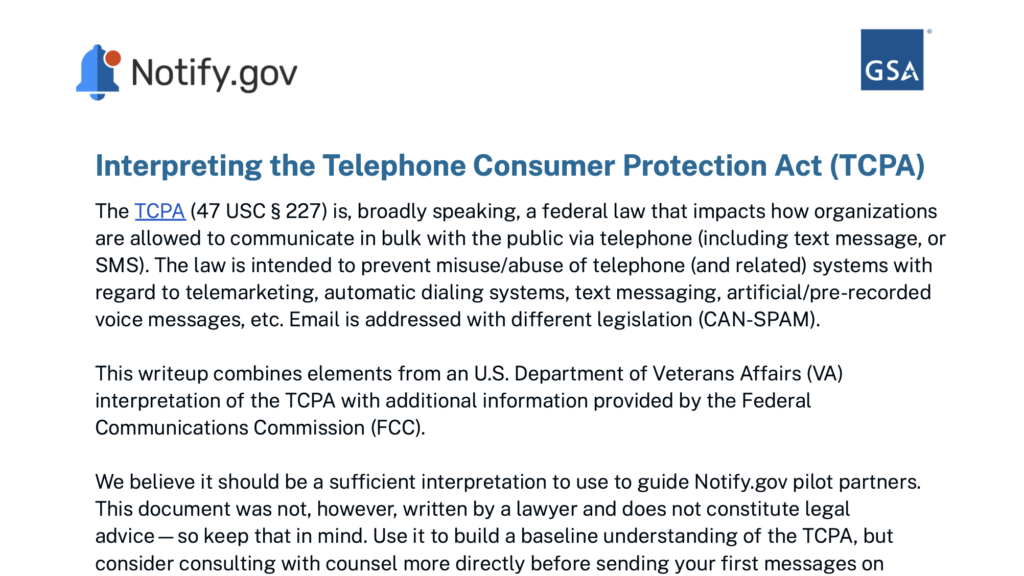
A plain-language overview explaining how federal law regulates automated calls and text messages to the public, including when consent is required and who is exempt.
A summary of the initial CMS guidance (CMCS informational bulletin) on how states should implement Medicaid work reporting requirements under H.R. 1, clarifying high-level expectations and key technical points.
A guidance resource for state and local governments outlining first-step actions to prepare for compliance with the new web and mobile accessibility rule under Americans with Disabilities Act (ADA).