A blog recap of a FormFest session on improving digital form accessibility, with a focus on accessible error handling and WCAG 2.1 compliance under Title II requirements.
This report provides human-centered design templates and implementation guidance to help states integrate Medicaid work requirement questions into benefits applications while minimizing administrative burden and coverage loss.
This field guide provides research-based design principles for creating clear, usable forms that help voters accurately complete election-related paperwork and successfully take action.
This blog summarizes a FormFest session where the Center for Civic Design shared research on how screen reader users navigate voter registration forms and offered guidance for designing more accessible digital and PDF forms.
A practical, step-by-step guide for government agencies to design, implement, and evaluate community engagement efforts around the use of artificial intelligence.
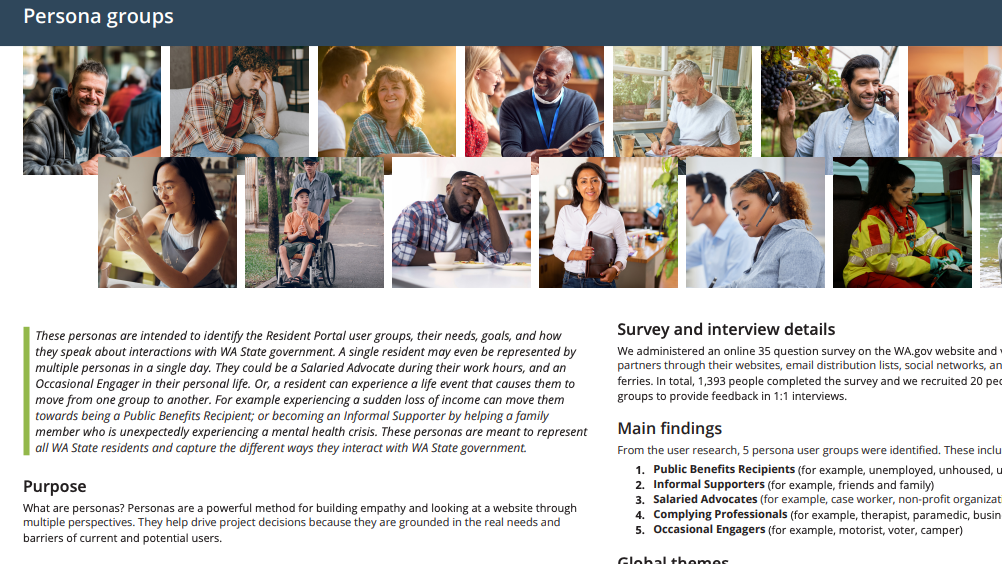
A user research–driven persona framework that identifies key resident groups interacting with government services and outlines their needs, behaviors, and pain points to inform digital service design.
This project overview presentation outlines a digital equity initiative focused on evaluating and addressing the digital divide through expanded broadband access, devices, and digital literacy programs.
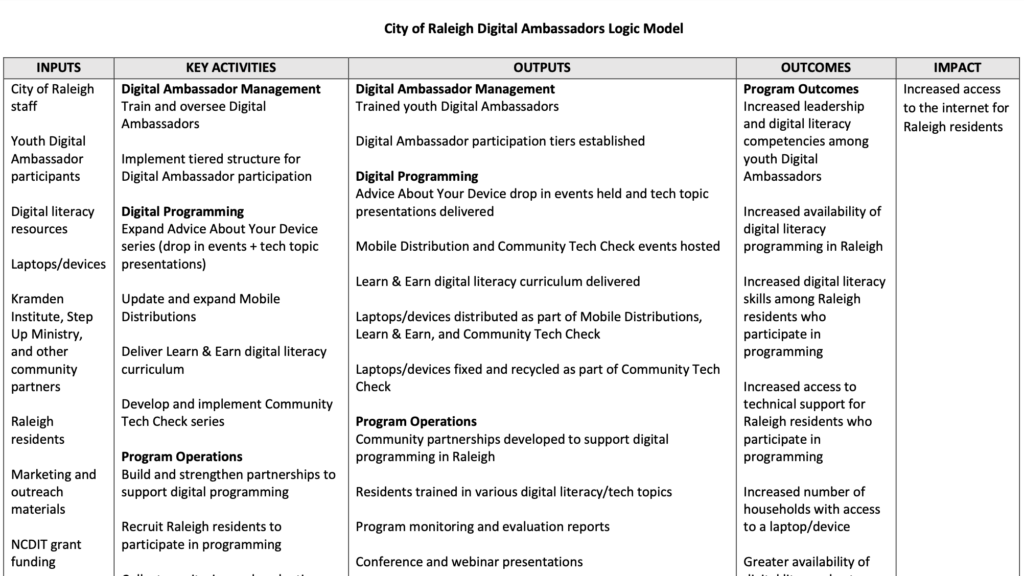
This logic model outlines a digital inclusion program designed to expand digital literacy, device access, and technical support for residents through youth leadership and community partnerships.
DGN Spotlights are short-form project profiles that feature exciting work happening across our network of digital government practitioners. Spotlights celebrate our members’ stories, lift up actionable takeaways for other practitioners, and put the resources + examples we host in the Digital Government Hub in context.
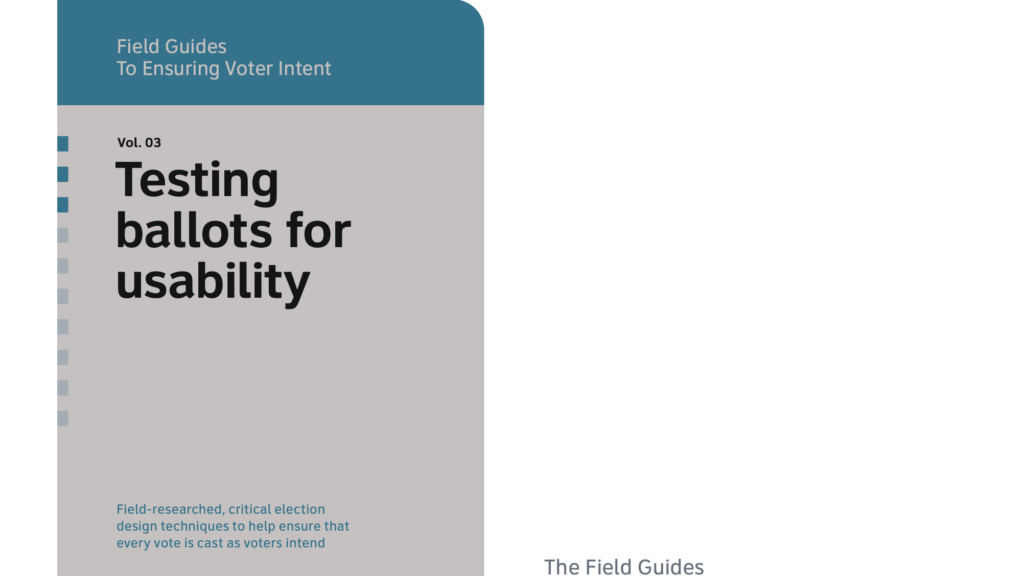
This field guide provides practical guidance for conducting usability testing on ballots to identify design issues and ensure voters can successfully cast their votes as intended.