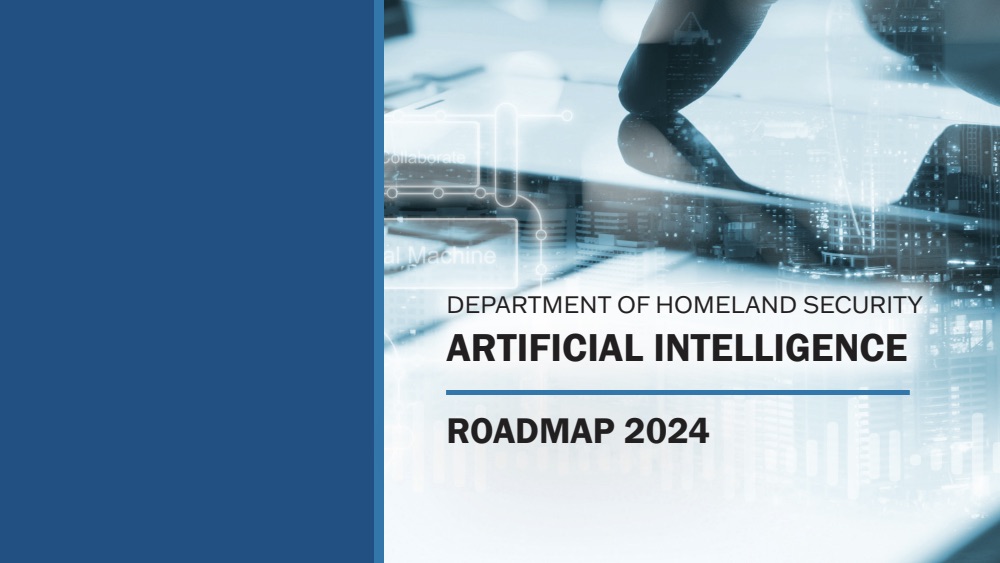
The U.S. Department of Homeland Security (DHS) Artificial Intelligence (AI) Roadmap outlines the agency's AI initiatives and AI's potential across the homeland security enterprise.
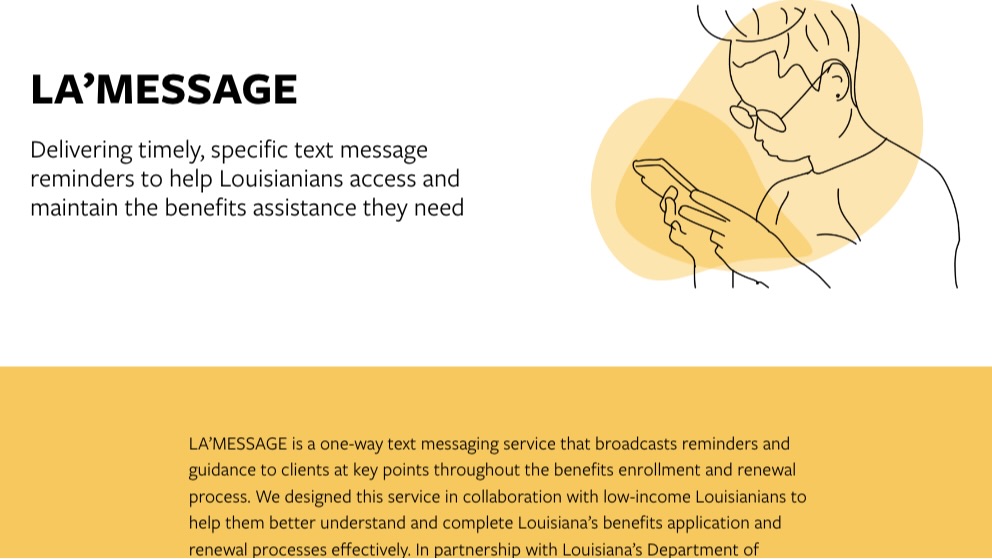
LA’MESSAGE is a one-way text messaging service developed by Code for America in partnership with Louisiana to broadcast reminders and guidance to residents enrolled in and eligible for SNAP, Medicaid, TANF, and WIC at key points throughout the benefits enrollment and renewal process.
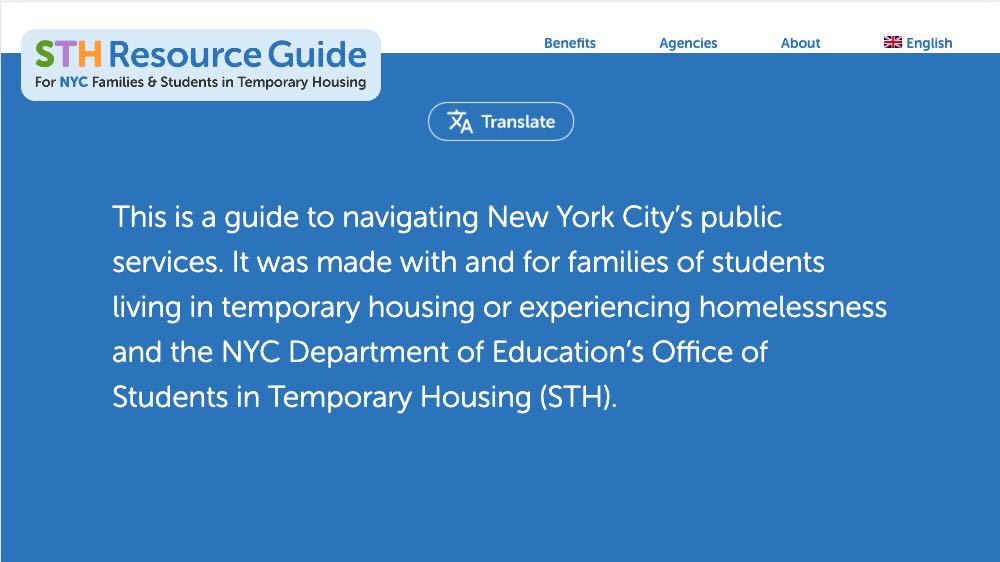
A guide to navigating New York City’s public services. It was made with and for families of students living in temporary housing or experiencing homelessness and the NYC Department of Education’s Office of Students in Temporary Housing (STH).
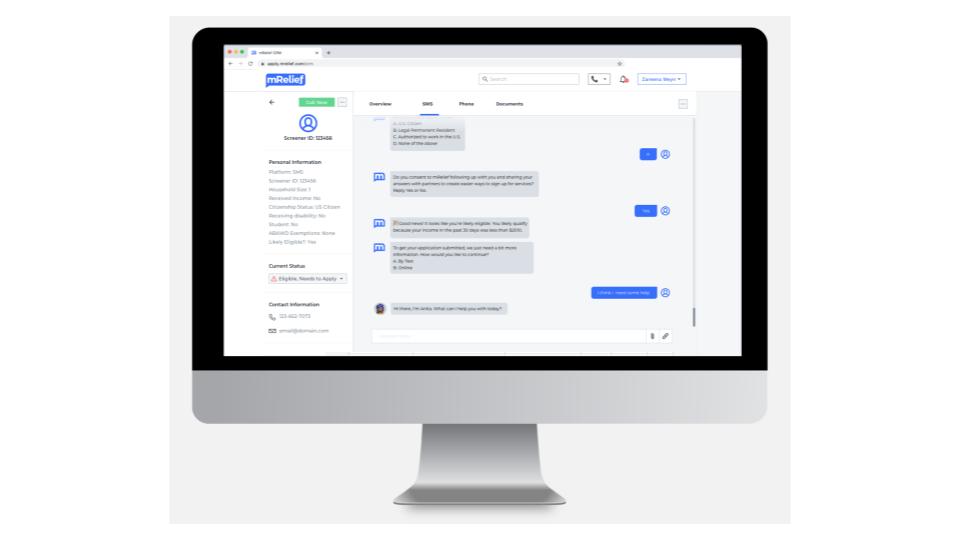
mRelief launches Johnnie, a platform that centers client dignity and enables client management from anywhere. Features include client communication mechanisms, assistance for document submission, keeping track of enrollment process, and tracking enrollment metrics.
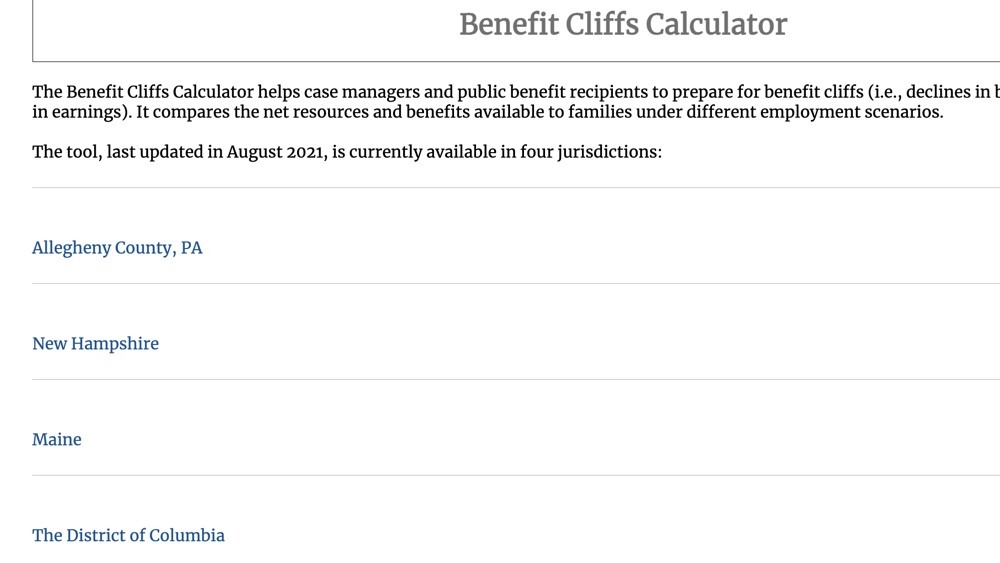
The Benefit Cliffs Calculator helps case managers and public benefit recipients to prepare for benefit cliffs (i.e., declines in benefits due to an increase in earnings). It compares the net resources and benefits available to families under different employment scenarios.