This article advises government agencies to prioritize cybersecurity methods over AI-driven approaches when combating identity fraud in benefits programs, highlighting potential risks that automated systems pose to legitimate applicants.
This report analyzes the rise of digital driver’s licenses (DDLs) and warns that, without strong safeguards, they could threaten privacy, civil liberties, and equitable access to identification.
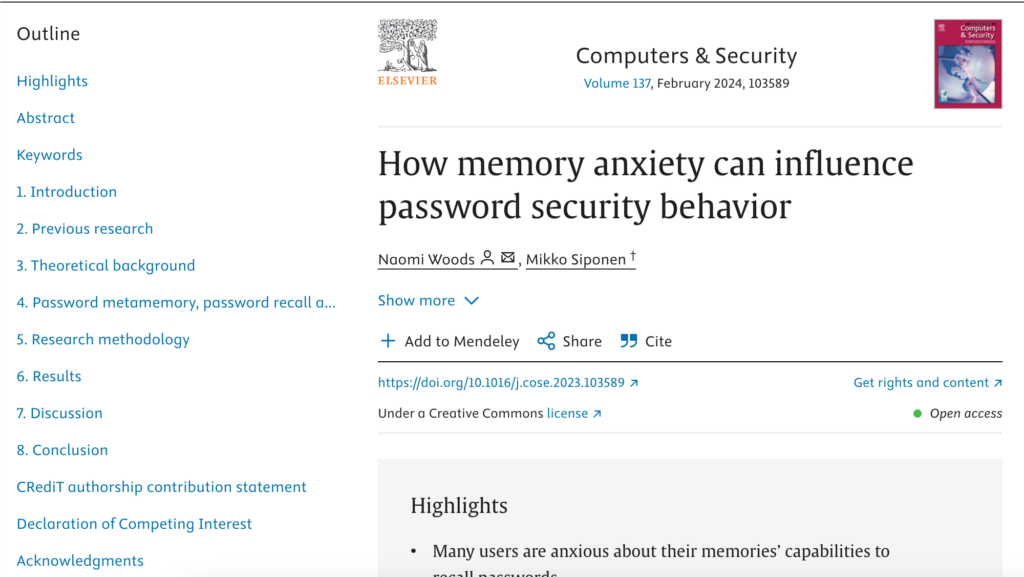
This article investigates how users' "metamemory"—specifically their anxiety regarding their own memory capabilities—drives insecure password behaviors.
This resource provides updated draft digital identity guidelines for identity proofing, authentication, and federation, aiming to improve security, privacy, usability, and equity in digital identity systems.
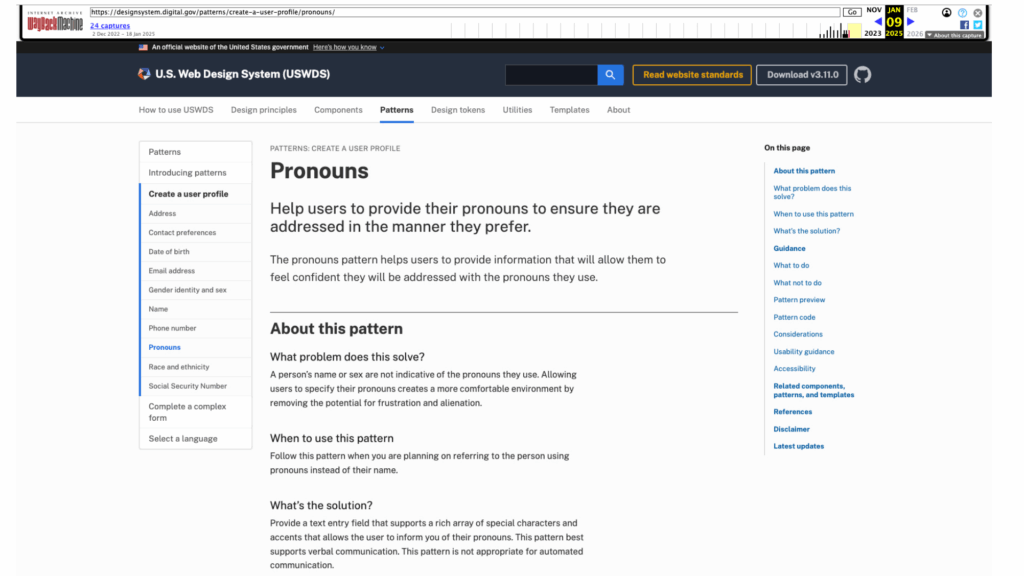
This page provides a U.S. Web Design System pattern for collecting pronoun information in user profiles in a way that respects identity, supports data standards, and promotes inclusion.
On July 16, members of the Digital Identity Community of practice gathered to learn how peers are gathering beneficiary feedback on their experiences with accounts and proving their identity.
Digital IDs can improve convenience, but they risk surveillance, data misuse, and exclusion if not designed with privacy, security, and accessibility safeguards.
Led by the Digital Benefits Network in partnership with Public Policy Lab, the Digital Doorways research project amplifies the lived experiences of beneficiaries to provides new insights into people’s experiences with digital identity processes and technology in public benefits. This executive summary gives an overview of the project’s findings.
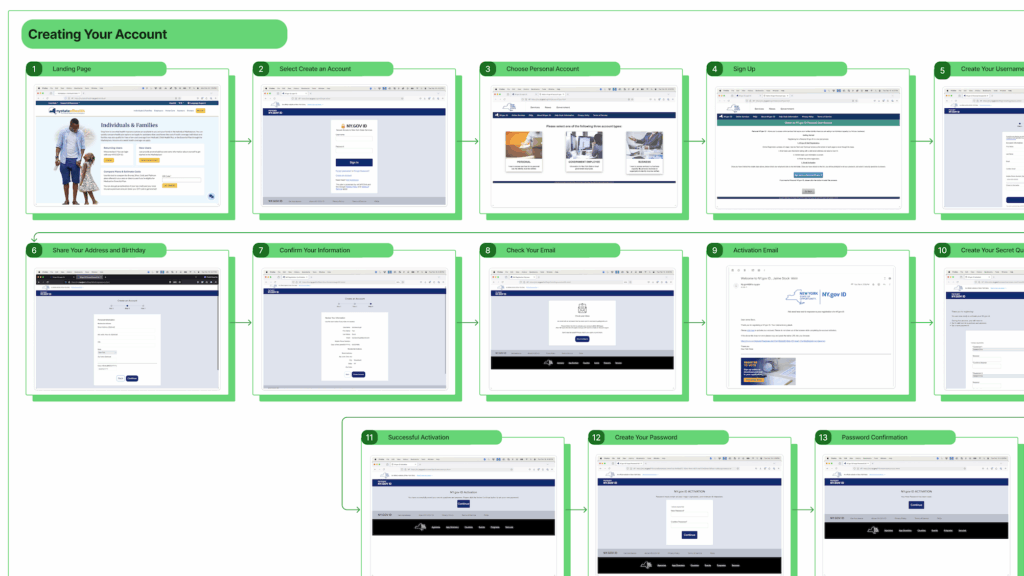
Created for use in the Digital Doorways research project, this design stimuli shows the steps of submitting an application, sharing personal information, and verifying identity for New York's online application for Medicaid.
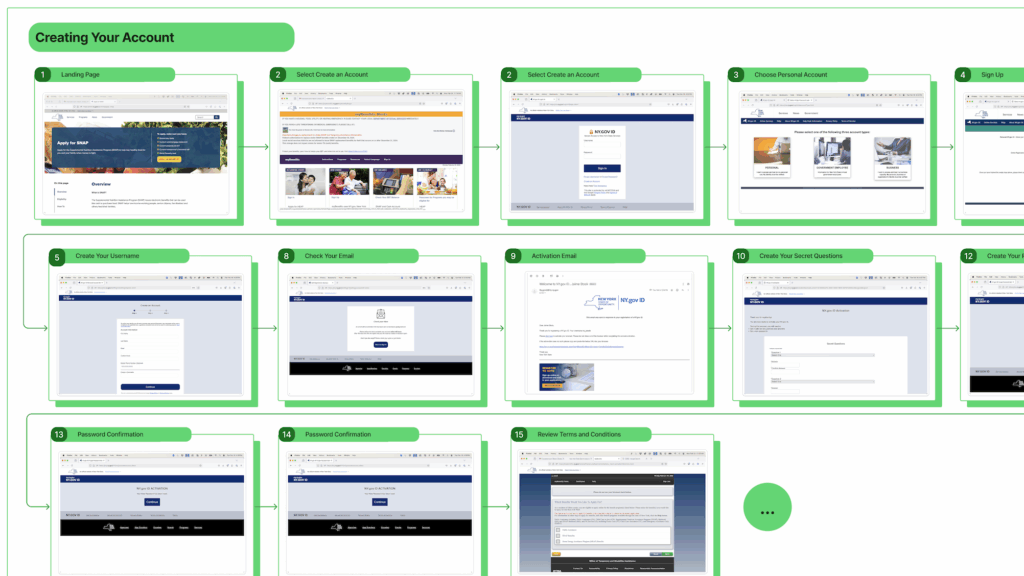
Created for use in the Digital Doorways research project, this design stimuli shows the steps of submitting an application, sharing personal information, and verifying identity for New York's integrated online application that includes SNAP and Medicaid.