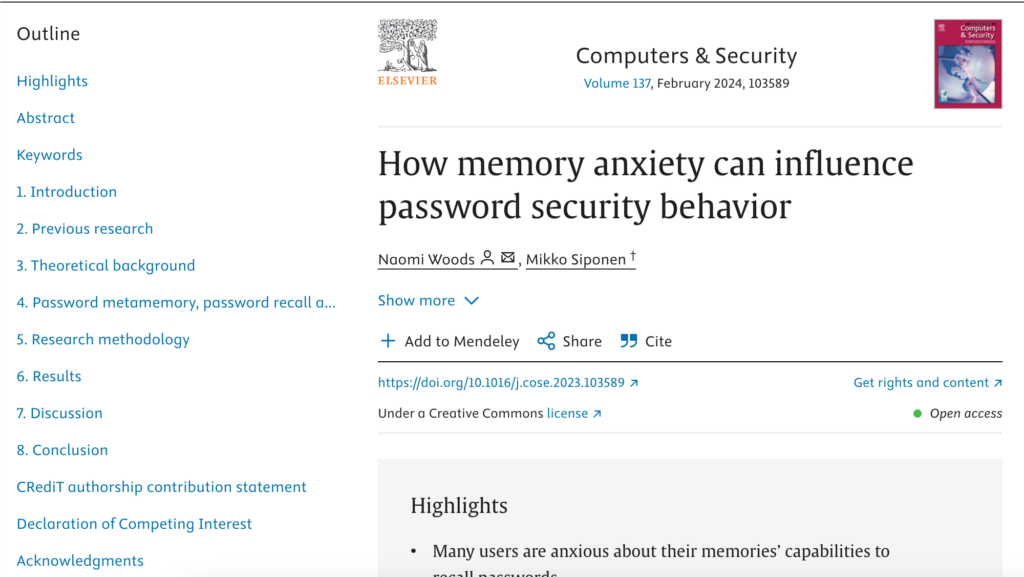
This article investigates how users' "metamemory"—specifically their anxiety regarding their own memory capabilities—drives insecure password behaviors.
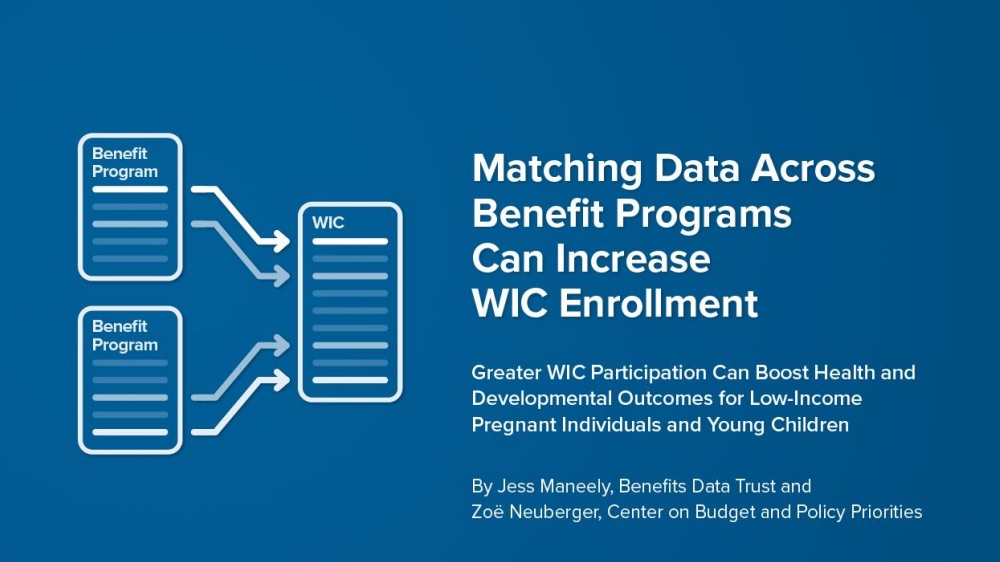
This case study highlights how states used data sharing and targeted outreach to boost WIC enrollment among Medicaid and SNAP participants, improving program reach and reducing disparities.
This video demonstrates how to use Iowa's Child Care Connect (C3), a centralized data system that integrates near-real-time child care data to support families, providers, policymakers, and economic development efforts across the state.
This playbook is designed to help government and other key sectors use data sharing to illuminate who is not accessing benefits, connect under-enrolled populations to vital assistance, and make the benefits system more efficient for agencies and participants alike.
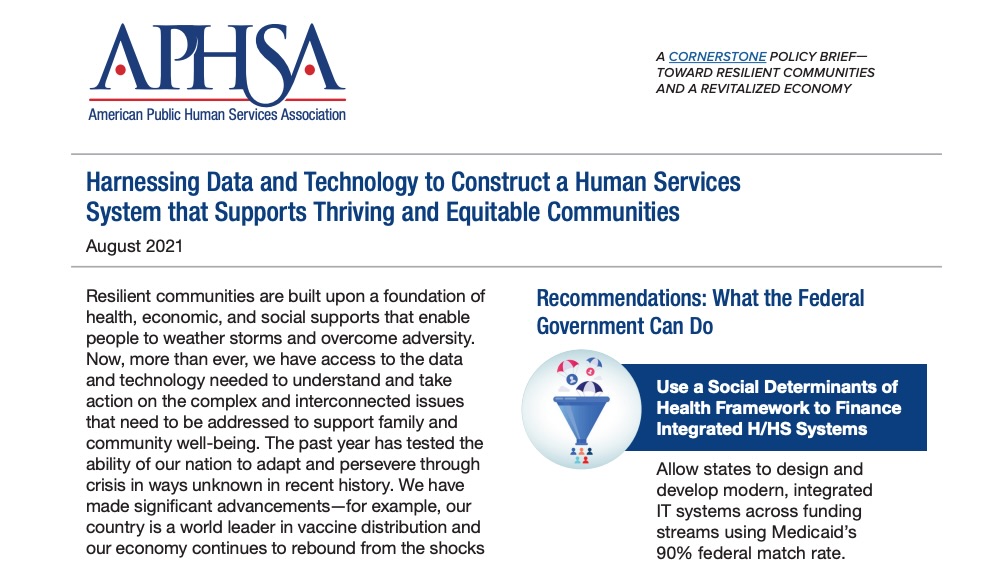
APHSA explains how certain tools and recommendations about when people apply for help, engage in services, and maintain benefits can have a powerful effect to either counter or exacerbate structural barriers to accessing assistance.
American Public Human Services Association (APHSA)
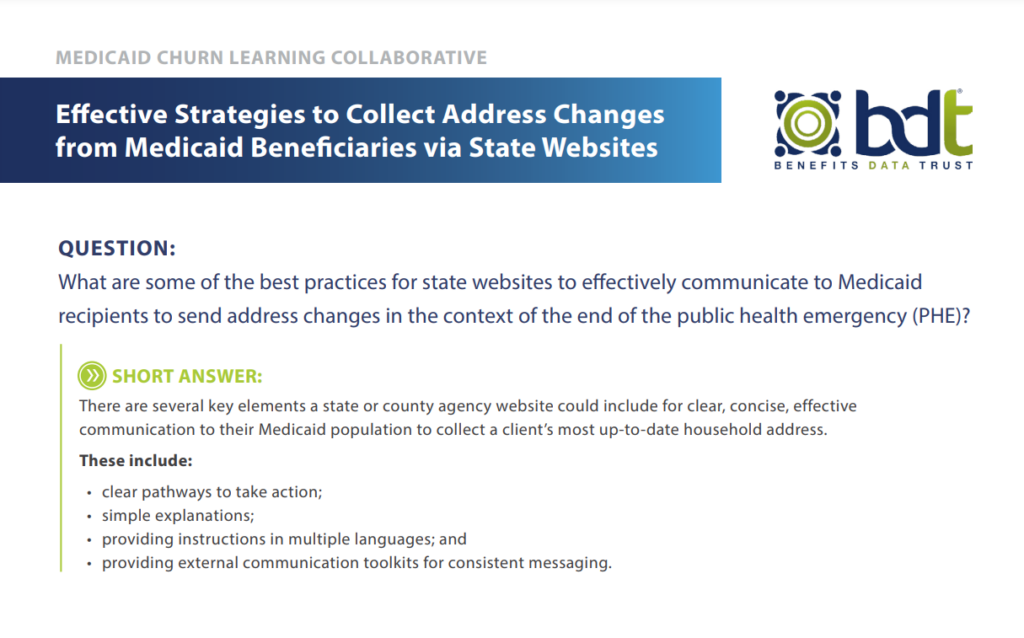
As a part of Benefit Data Trust (BDT)’s Medicaid Churn Learning Collaborative, BDT has created a memo describing strategies for states to collect current mailing addresses of Medicaid beneficiaries in advance of the Medicaid continuous coverage requirement — in effect under the federal public health emergency — unwinding.
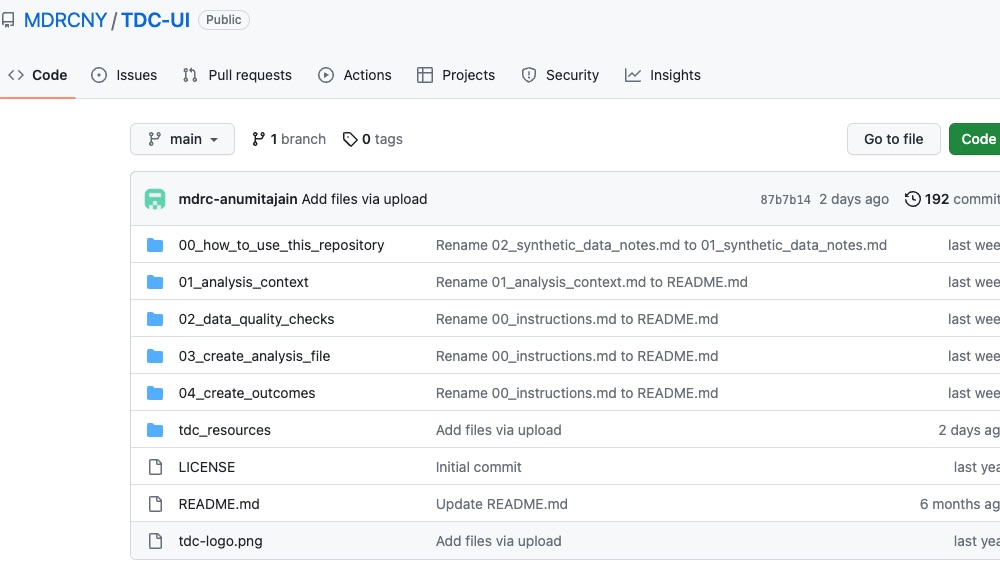
This GitHub repository includes resources that users of the UI wage data toolkit may find helpful. It covers a variety of topics, including equity, data security, programming, and data QC tips. It also serves as a place for our team to continue to post information that the TANF Data Collaborative (TDC) pilot sites found useful during our partnerships with them.