This provides a comprehensive look at child well-being across the U.S., ranking states and highlighting policy recommendations to improve outcomes for children.
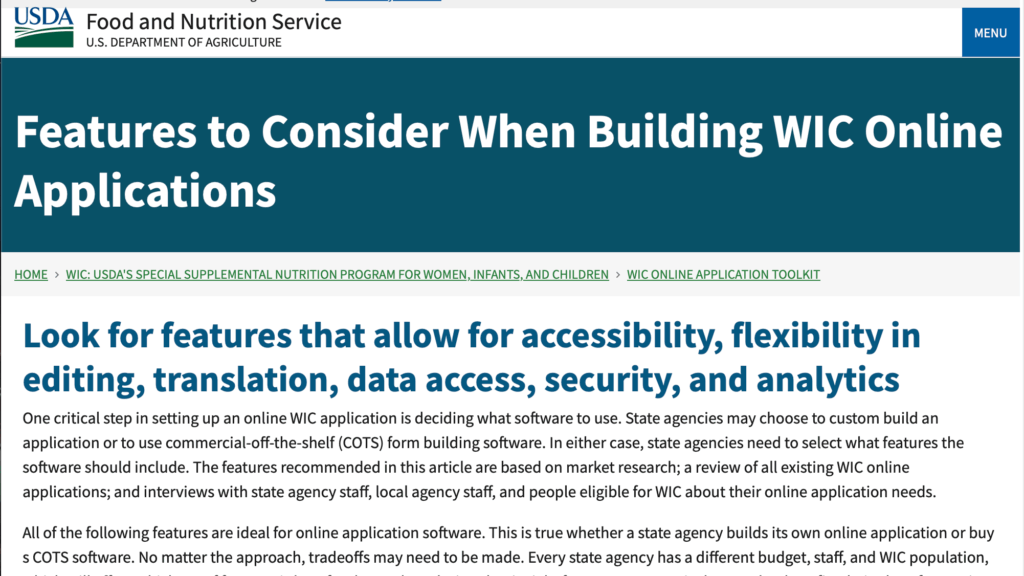
Key functionalities and design elements recommended for creating effective online WIC applications, focusing on usability, accessibility, and compliance to improve participant experience and streamline agency operations.
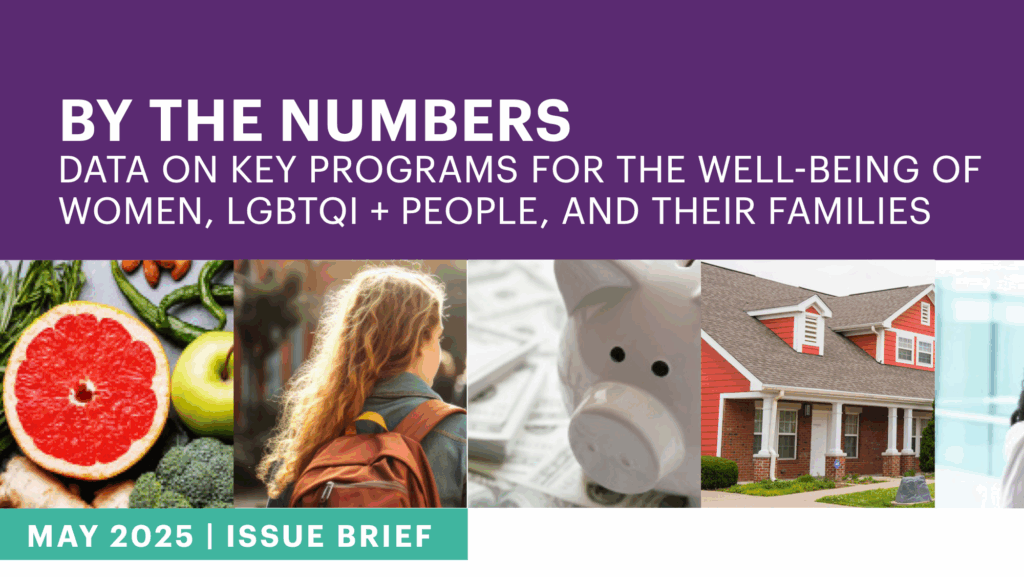
A data report providing updated statistics on key federal programs that support the well-being of women, LGBTQI+ individuals, and their families, highlighting trends, coverage gaps, and areas for policy improvement.
Louisiana issued an RFI to identify solutions that can provide a technology platform for determining eligibility and managing cases across multiple human services programs.
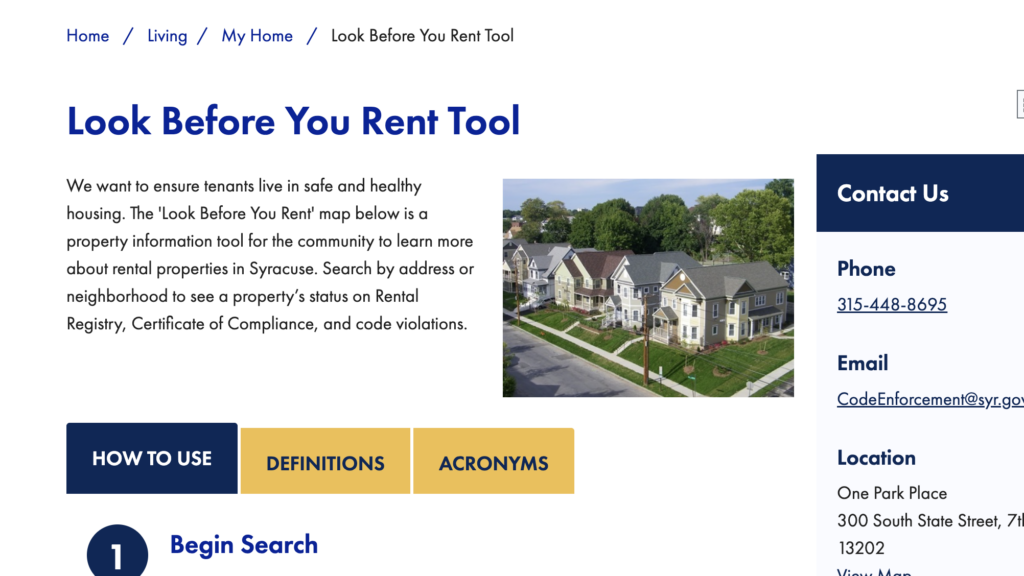
This blog describes the purpose and functionality of the Look Before You Rent online tool, which enables users to search rental property addresses and view any recorded housing code violations, inspection outcomes, or complaints.
A central hub of guidance, standards, and supporting documentation explaining how UK public sector bodies should record and publish information about algorithmic systems to ensure transparency and accountability.
A TLDR of the State CDO Archetypes report—covering how state CDO offices operate and the six archetypes that define them. Written for event attendees and government staff: governor's office, IT and budget leadership, legal and data officials, and legislators who oversee CDO funding and establishment.
A tool for CDOs advocating for funding, authority, and expansion—and a primer for government leaders unfamiliar with the role. The report establishes shared vocabulary, identifies six CDO office archetypes, and offers cross-state insights on structures, priorities, and challenges.
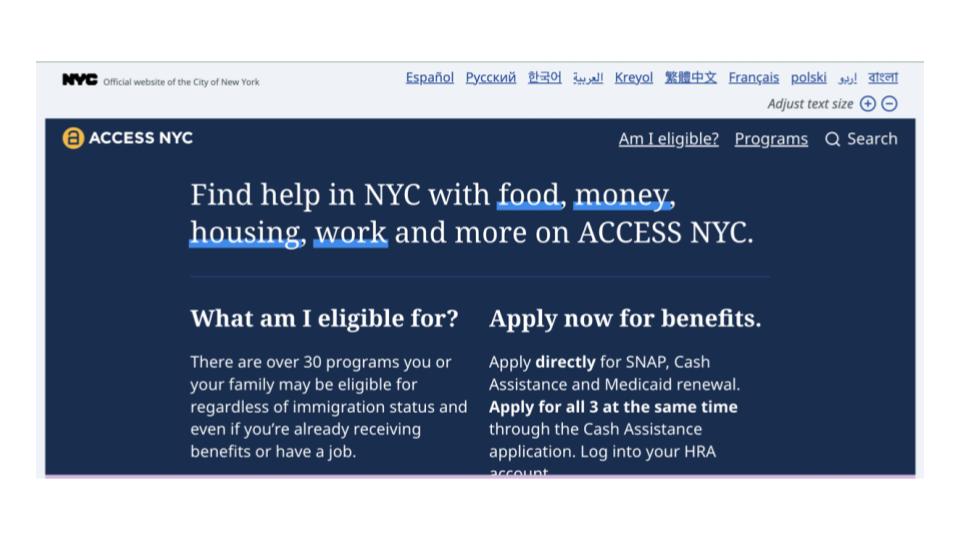
The NYC Mayor’s Office for Economic Opportunity (NYC Opportunity) developed the NYC Benefits Platform, including ACCESS NYC, to help residents easily discover and check eligibility for over 80 social programs.
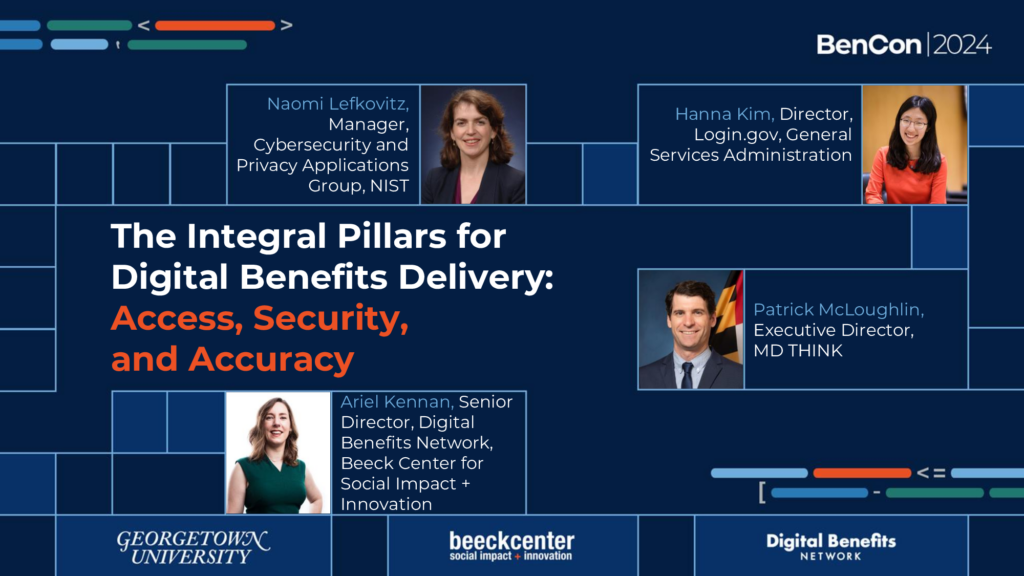
Government leaders discuss how to ensure seamless access to public benefits through breaking down silos, user-friendly digital identities, and privacy-focused security measures.