This presentation from Steph White, Cross Enrollment Coordinator at the Michigan Department of Health and Human Services offers an in-depth example on implementing cross enrollment with WIC and general tools for cross enrollment.
This resource provides guidance on streamlining enrollment across public benefit programs to improve efficiency, reduce administrative burdens, and enhance access for eligible individuals and families.
This report describes key elements of the American Rescue Plan Act and how it would reduce the projected poverty rate for 2021. Various projections regarding the effects of the policy are described in this report.
A modernized public benefits system would better serve program participants, administrators, policy makers, and taxpayers. This paper proposes a set of principles both define the desired future state and outline the values that shape decision making along the way. Practices describe the processes needed to achieve modernization.
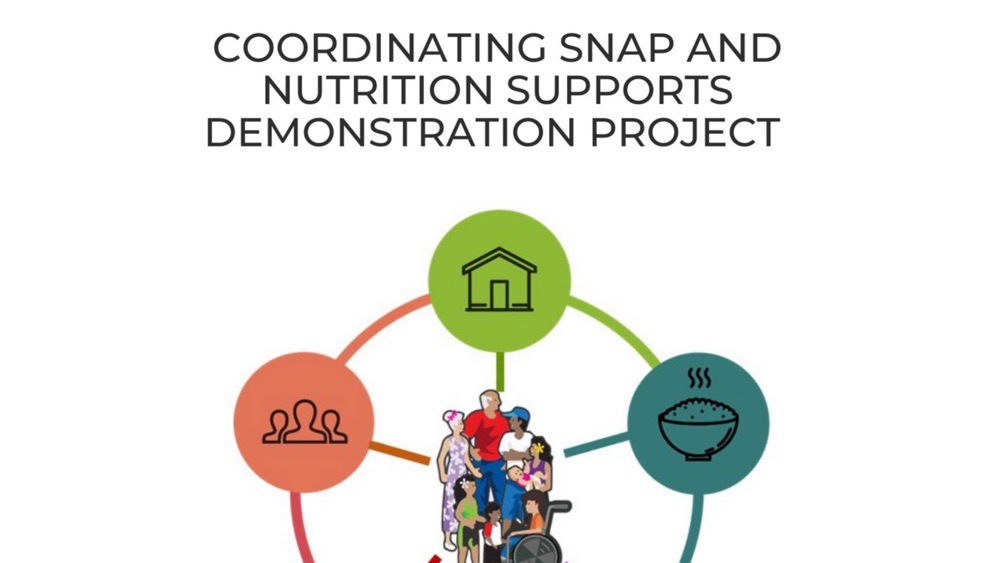
This white paper documents Hawai'i's journey and lessons learned from their 18-month Coordinating SNAP and Nutrition Supports project which laid the foundation for interagency data-sharing and built capacity to analyze administrative data across nutrition programs--specifically SNAP and WIC.
This landscape analysis examines data, design, technology, and innovation-enabled approaches that make it easier for eligible people to enroll in, and receive, federally-funded social safety net benefits, with a focus on the earliest adaptations during the COVID-19 pandemic.
The Advancing Economic Mobility for Low-Income Families report, published by the National Governors Association (NGA) Center for Best Practices, provides policy options for governors to strengthen economic security, workforce participation, and wealth-building opportunities for low-income families.
This article from Civil Eats explores how expanding online purchasing options for SNAP recipients can improve food security, especially in the wake of the COVID-19 pandemic.
This report summarizes 19 SNAP policy options (in effect as of Oct. 1, 2023) and waivers (implemented as of July 1, 2023) chosen by SNAP state agencies (50 states, the District of Columbia, Guam, and Virgin Islands) in federal fiscal year (FY) 2023.
This toolkit offers strategies for advocates and state agencies to enhance the efficiency of eligibility verification processes for Medicaid and SNAP, aiming to reduce administrative burdens and improve access to benefits.
Implementing flexible interview scheduling in Los Angeles County's CalFresh program significantly increased benefit approval rates and reduced processing times, particularly aiding working families, students, and individuals experiencing homelessness.